Filled-in black heart shape.

6 Home Plumbing Problems Gainesville FL Homeowners Should Never Ignore

August 4, 2026

Share this article

Most plumbing problems start small. A faucet that drips. A toilet that runs a little too long. A spot on the ceiling that was not there last month. It is easy to file these under "deal with it later," and in a lot of Gainesville homes, later never comes until the small problem has become a big, expensive one.


Florida's climate does not give plumbing problems much room to stay small. The heat and humidity that peak in a Gainesville August accelerate mold growth wherever water goes unaddressed, and hurricane season adds heavy rain and pressure changes that expose weak points in a plumbing system. A minor issue in July can become a major one by September if it is ignored.


Scarborough Plumbing has served Gainesville and the surrounding Alachua County communities since 2010. This guide covers six plumbing problems the team sees homeowners overlook most often, the ones that quietly get worse and more expensive until they demand attention.

1. A Persistent Drip or Leak

That steady drip is not just annoying. It is wasting water, costing money, and often signaling a problem that grows.


Small leaks add up to enormous waste. According to the U.S. Environmental Protection Agency's WaterSense program, the average household's leaks account for nearly 10,000 gallons of wasted water every year, and 10 percent of homes have leaks that waste 90 gallons or more per day. A faucet dripping at just one drip per second wastes more than 3,000 gallons a year. In a Gainesville home, a leak is also a moisture source, and in Florida's humidity, moisture means mold.


Why a leak should not wait:

  • Wasted water shows up on every month's bill
  • The leak point often worsens over time
  • Hidden leaks feed mold in walls and cabinets
  • A small drip can signal a larger pipe issue


The drip you can see is worth fixing. The leak you cannot see, inside a wall or under a cabinet, is the one that does real damage, which is why any sign of unexplained moisture deserves attention.

2. A Toilet That Keeps Running

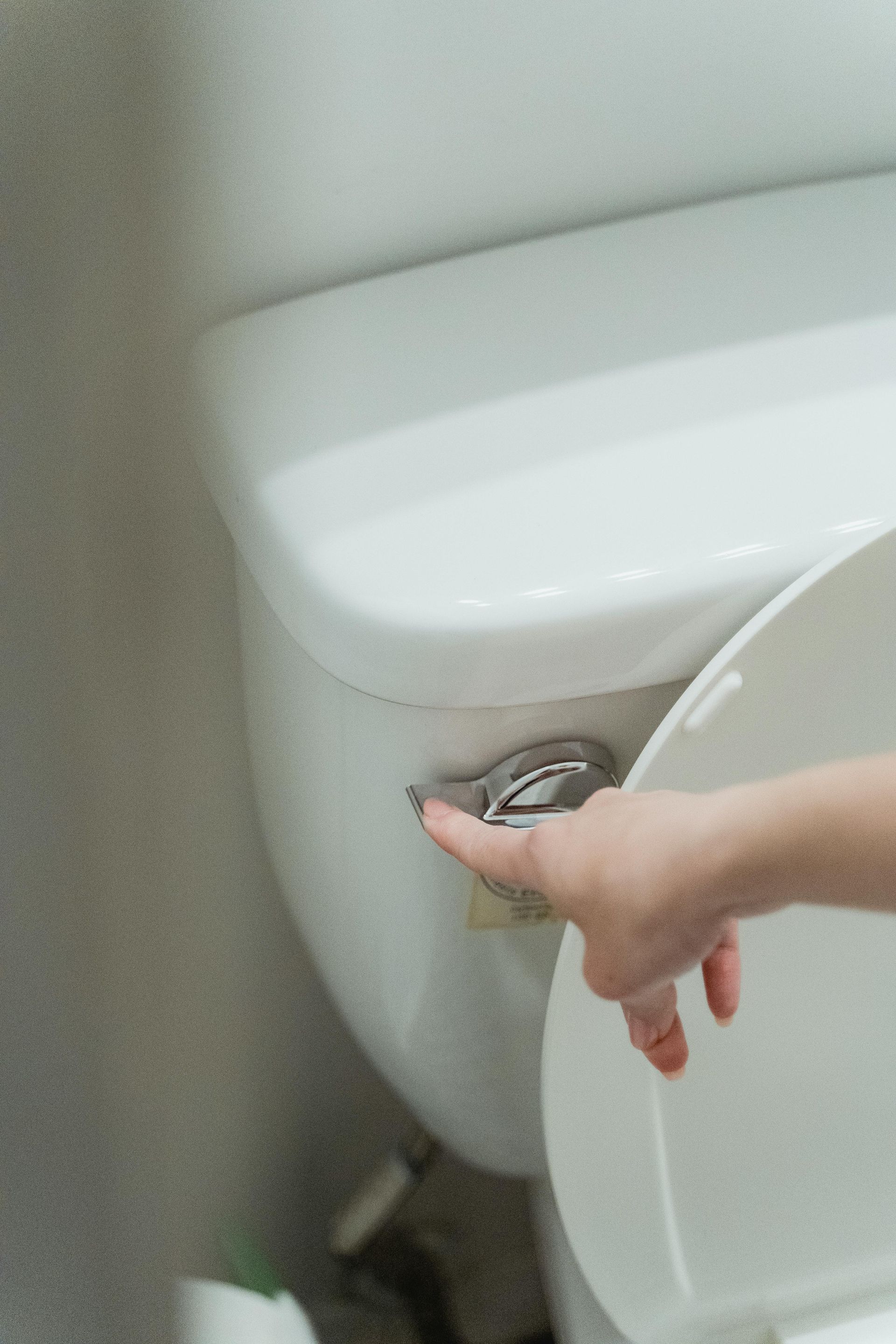
A toilet that runs long after the flush is one of the most common and most overlooked plumbing problems, and one of the most wasteful.


The EPA WaterSense program identifies running toilets, usually caused by a worn flapper, as one of the most common household leaks, and notes that a running toilet can waste 200 gallons of water or more per day. That is a significant, silent addition to the water bill, and because the sound becomes background noise, many homeowners tune it out for weeks or months.


Signs your toilet is wasting water:

  • Water running long after the flush completes
  • A faint hiss or trickle from the tank between uses
  • The need to jiggle the handle to make it stop
  • Phantom flushes when no one has used it


There is a simple test the EPA recommends: put a few drops of food coloring in the tank, and if color appears in the bowl within about 10 minutes without flushing, you have a leak. Often the fix is an inexpensive flapper replacement, but a persistent running toilet that does not resolve with that points to a valve issue worth a professional look.

3. Low Water Pressure That Lingers

Water pressure that has dropped and stayed down is not just an inconvenience. It is frequently a symptom of a bigger problem inside the plumbing system, and in Gainesville, the cause is often specific.


A sudden pressure drop at a single fixture may be a clogged aerator. But pressure that has declined across the whole house, or that keeps getting worse, often points to something more significant: mineral scale building up inside the pipes, a developing leak, or corrosion in aging supply lines. Gainesville's water comes from the Floridan Aquifer and runs hard, carrying dissolved minerals that build scale inside pipes over time, progressively narrowing them and cutting flow.


What lingering low pressure can indicate:

  • Mineral scale narrowing the inside of pipes
  • A hidden leak reducing pressure in the system
  • Corrosion in older galvanized or copper lines
  • A failing pressure regulator


Because Gainesville's hard water actively drives the scale problem, low pressure here often traces back to the pipes themselves. The Scarborough Plumbing article on how Florida's hard water accelerates plumbing wear covers that mechanism in depth. Persistent whole-house pressure loss is worth a professional diagnosis rather than living with it.

4. Slow or Gurgling Drains

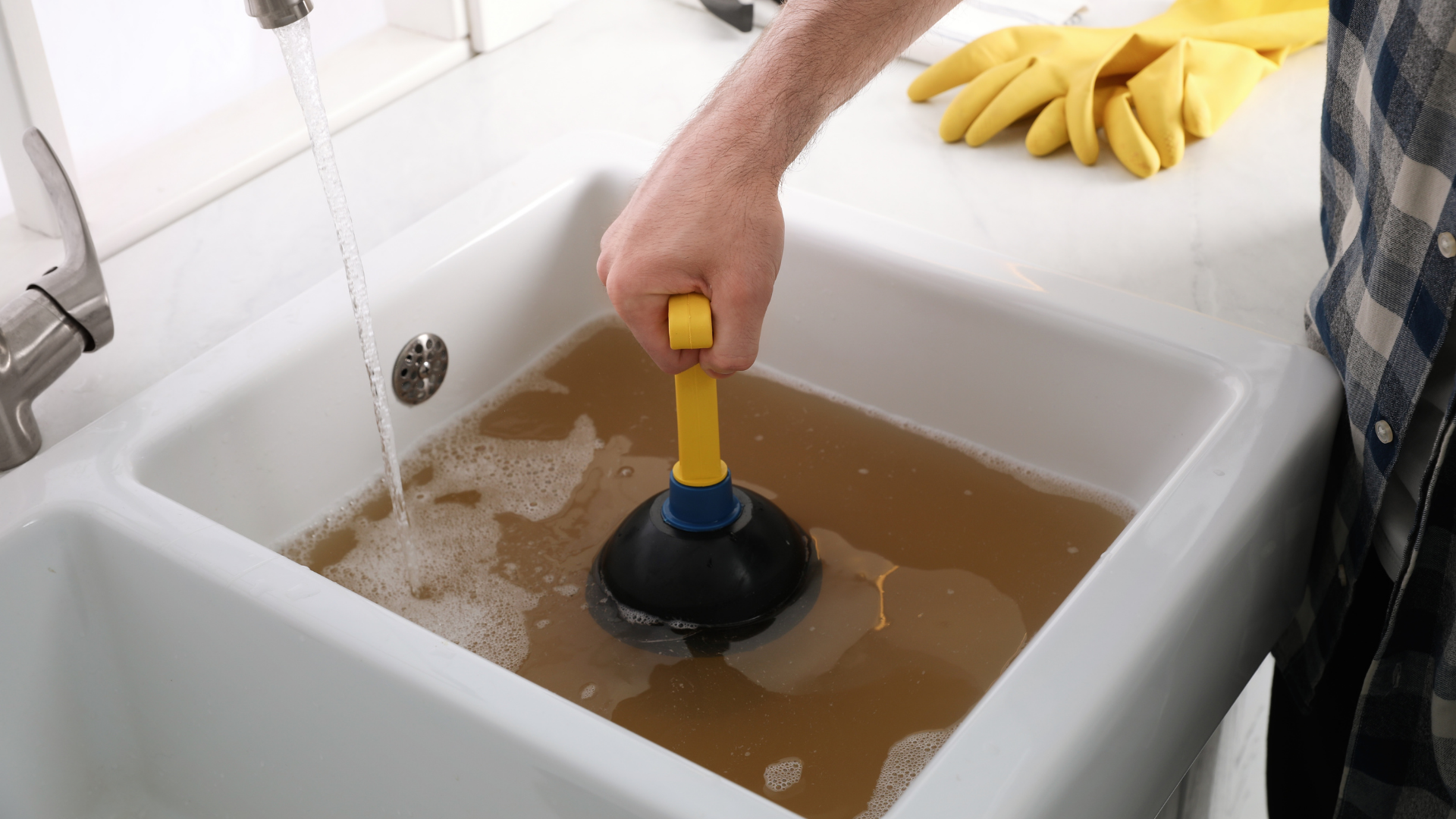
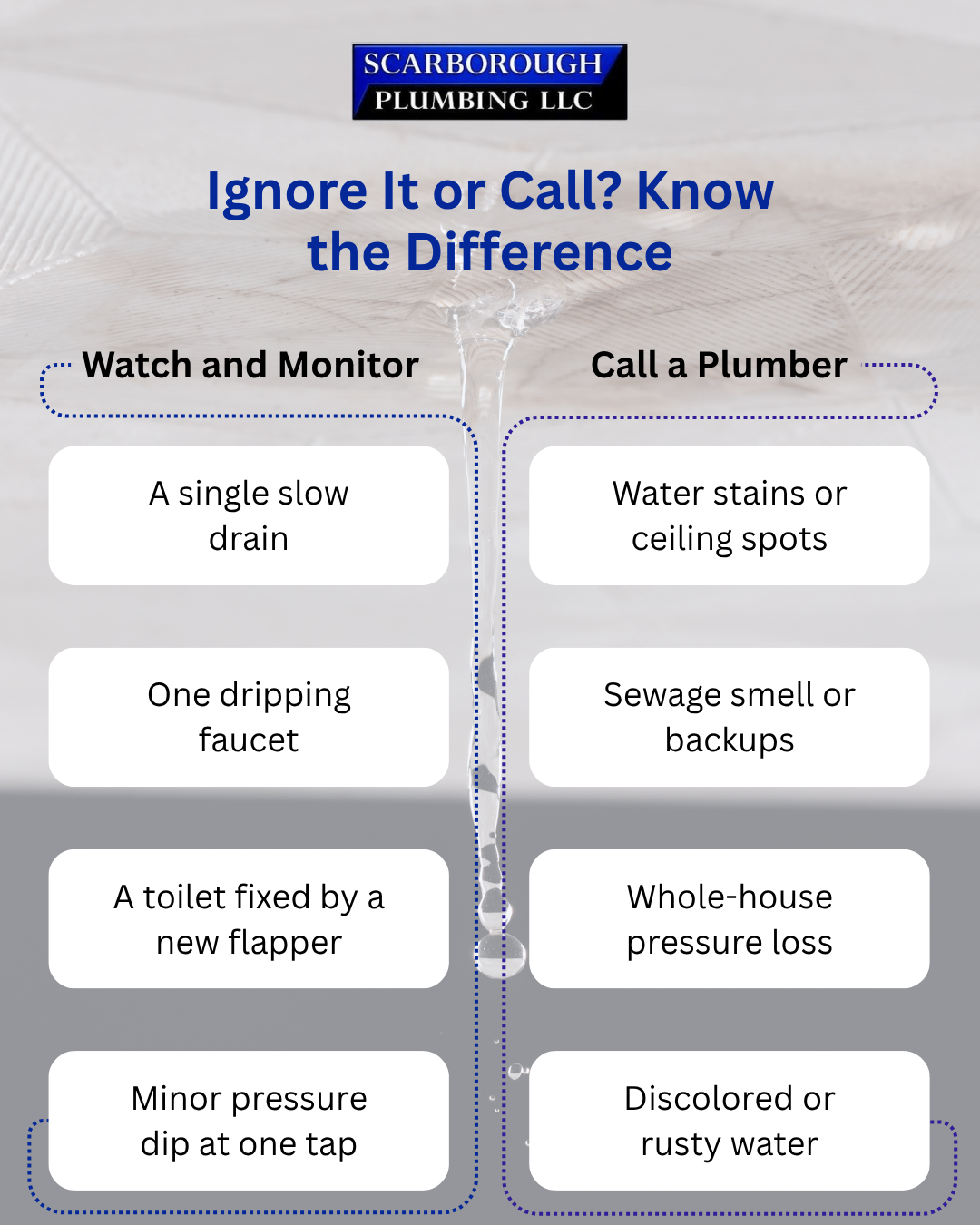
A single slow drain is usually a local clog. Multiple slow drains, or drains that gurgle, are the system warning you about something deeper.


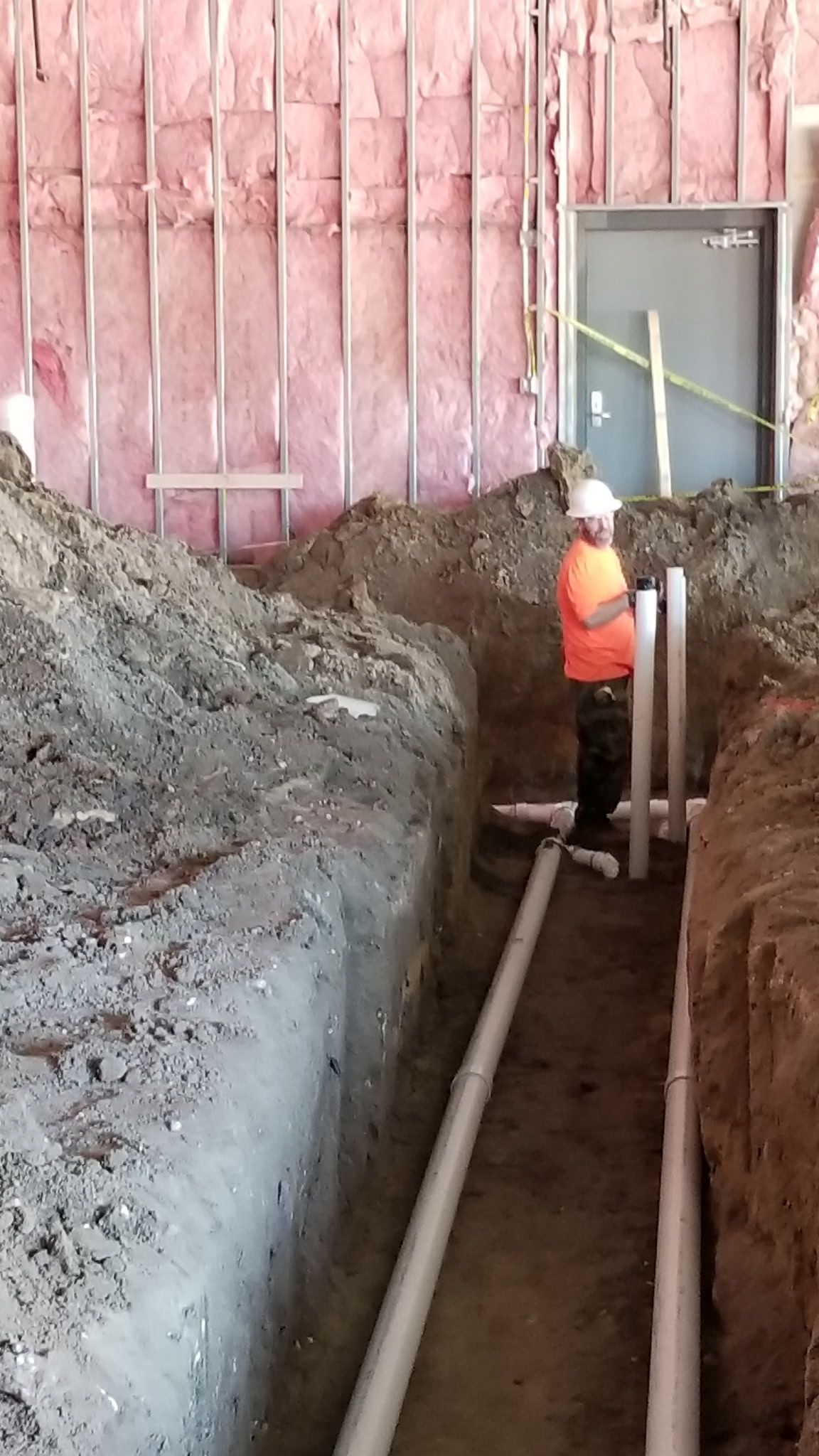
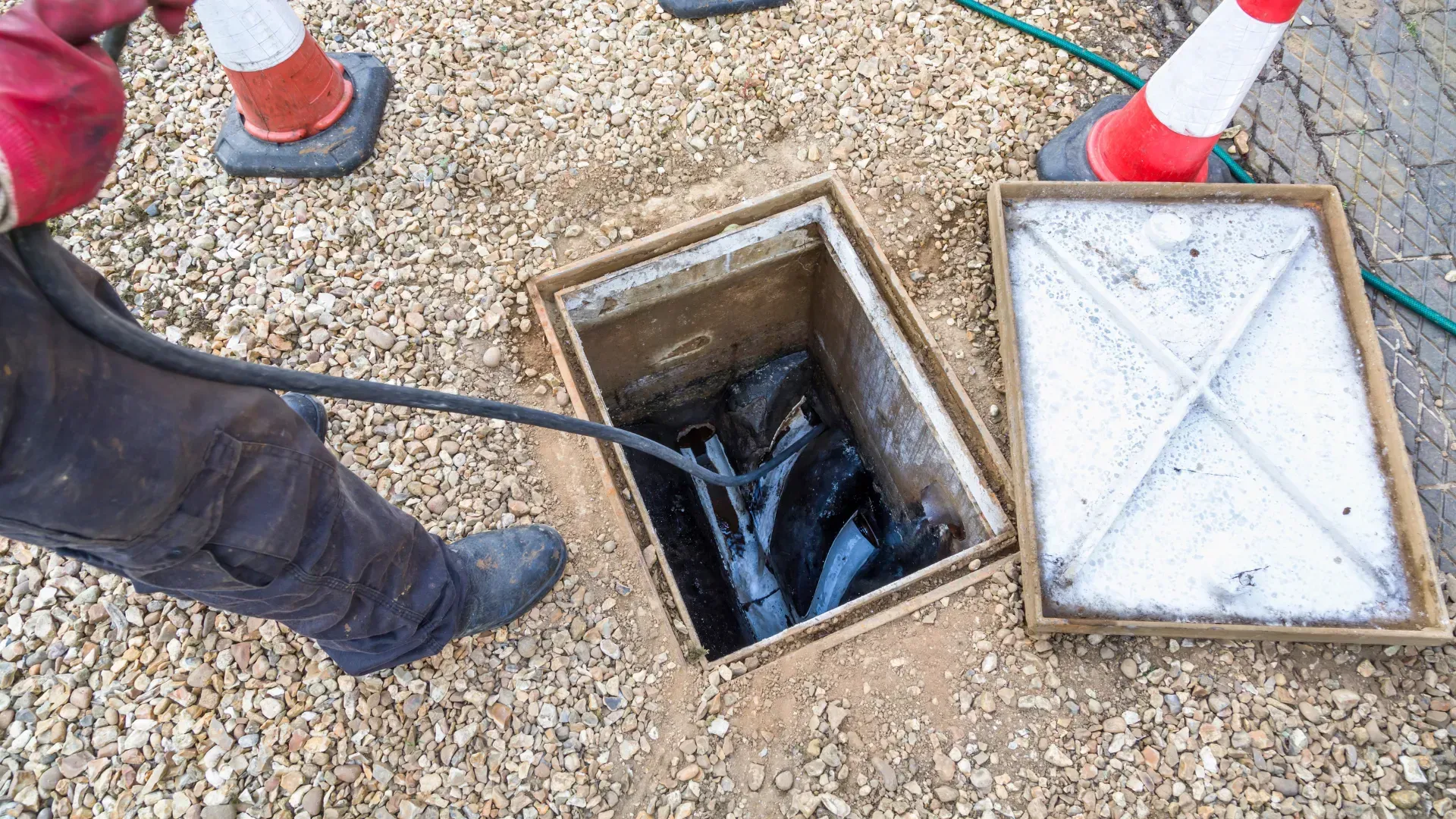
When one sink drains slowly, the clog is typically right there in the trap or the branch line. But when several drains slow down at once, or when a drain gurgles, backs up, or produces a smell, the problem is often further down in the main drain line. In Florida, tree roots seeking water infiltrate sewer lines, and the heavy rains of hurricane season can overwhelm and back up drain systems that were already partially blocked. Ignoring these signs risks a full sewage backup, which is both a health hazard and an expensive cleanup.


What multiple slow or gurgling drains can mean:

  • A developing clog in the main drain line
  • Tree root intrusion into the sewer line
  • A venting problem in the drain system
  • A partial blockage that heavy rain could back up


Catching a main-line issue early, while drains are merely slow, is far cheaper and cleaner than dealing with a sewage backup after it has flooded a bathroom floor. This is one to address before hurricane-season rains arrive in force.

5. Water Stains on Walls, Ceilings, or Floors

A water stain is evidence that water has been somewhere it should not be, and in Florida's climate, that is a problem that compounds quickly.


A yellow, brown, or damp-looking stain on a wall, ceiling, or floor points to a leak behind the surface, from a supply line, a drain, or a fixture connection. The stain itself is the visible tip of a hidden problem, and the real concern is what the moisture is doing out of sight. The EPA notes that mold can begin growing on wet materials within 24 to 48 hours, and Gainesville's peak-summer humidity makes conditions ideal for it. A stain that keeps growing or reappearing means an active leak feeding moisture and mold into the structure.


Why water stains demand attention:

  • They signal an active, hidden leak
  • Moisture behind the surface feeds mold fast in Florida
  • The damage spreads into framing and insulation
  • Painting over the stain hides but does not fix it


A stain that returns after being painted over is a clear sign of an active source. Finding and stopping that source is the only real fix, and the sooner it happens, the less structural and mold damage accumulates.

6. Discolored, Rusty, or Smelly Water

Water that comes out discolored, rusty, or with an odor is telling you something about your plumbing or your water heater, and it should never be ignored.


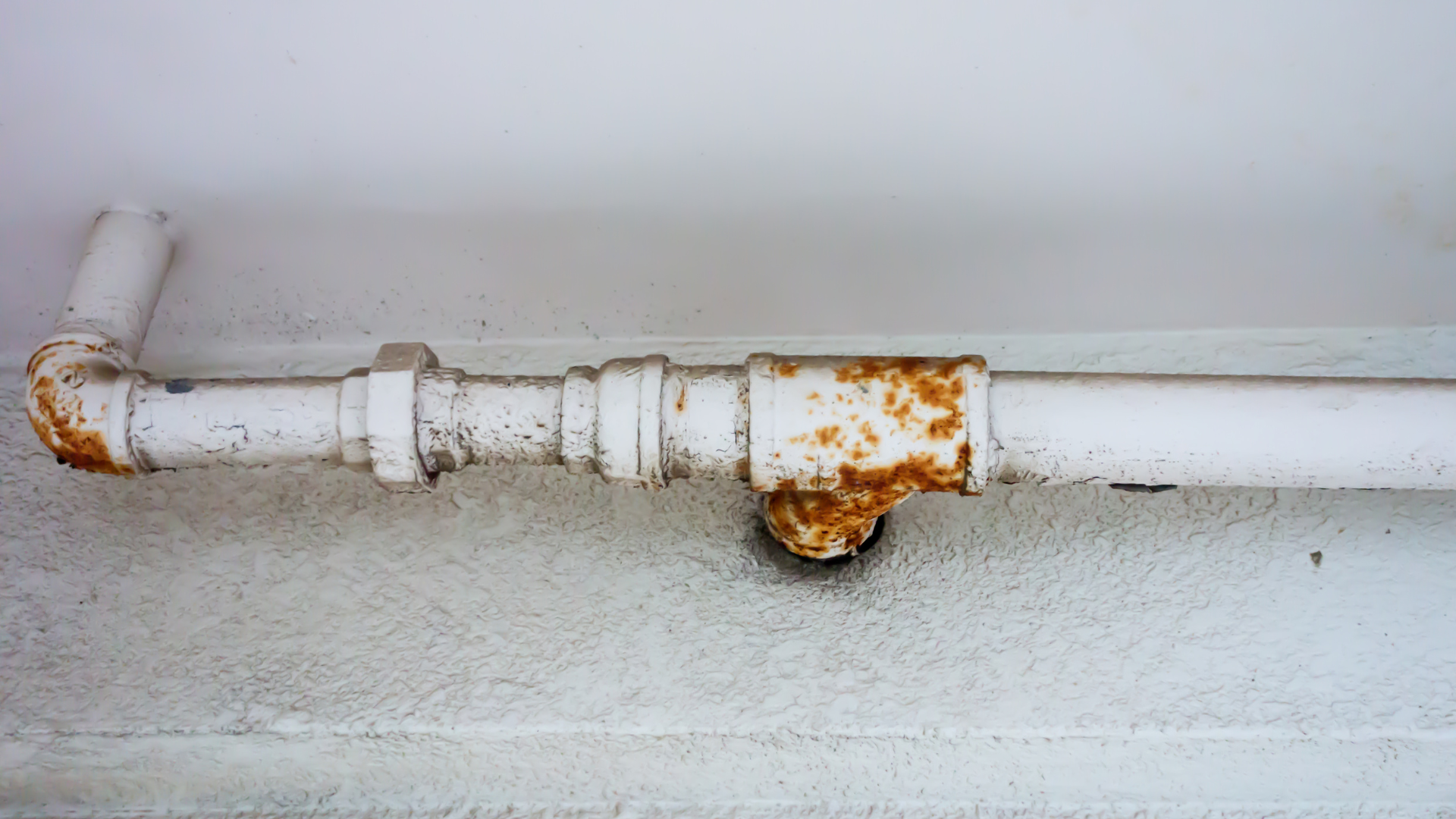
Brown or rusty water often indicates corrosion inside pipes or a corroding water heater tank, both of which worsen over time. A sudden change in water color can also follow pressure changes in the municipal system, common during hurricane-season events, but water that stays discolored points to a problem in the home's own plumbing. A rotten-egg smell can signal bacteria in the water heater or issues in the drain system. In older Gainesville homes with aging galvanized or early copper lines, discoloration is frequently the plumbing itself breaking down.


What discolored water can indicate:

  • Corrosion inside aging supply pipes
  • A rusting, deteriorating water heater tank
  • Sediment stirred up by pressure changes
  • Bacteria or venting issues causing odor


Discolored or smelly water is worth investigating promptly, both for water quality and because it often signals corrosion that leads to leaks. Where aging pipes are the cause, the Scarborough Plumbing guide to PEX versus copper repiping explains the options for addressing it.

Which Problems Need a Plumber, and How Fast

Not every plumbing issue is an emergency, but knowing which ones escalate helps you act at the right time.

Problem Urgency
Persistent leak or drip Soon, it wastes water and feeds mold
Running toilet Soon, it wastes 200+ gallons a day
Lingering low water pressure Diagnose, it signals a deeper issue
Multiple slow or gurgling drains Promptly, before a main-line backup
Growing water stains Promptly, active leak and mold risk
Discolored or rusty water Investigate, points to corrosion

The pattern across all six is the same: these problems do not fix themselves, and Florida's heat, humidity, and storm season push them from minor to major faster than a drier climate would.

What Happens When These Problems Are Caught Early

Addressing a plumbing problem while it is small is almost always dramatically cheaper than waiting, and the contrast makes the case on its own.

Caught early Left ignored
Flapper or washer replacement Months of wasted water on the bill
Minor leak repair Mold remediation and drywall repair
Drain cleaning Sewage backup cleanup
Pipe or fixture repair Whole-section repiping
Water heater service Full water heater replacement

None of this is about spending more on plumbing. It is about spending less, by handling the small problem before Florida's climate turns it into a large one. Scarborough Plumbing provides honest assessments and transparent pricing across Gainesville and Alachua County through the repair services team, and for urgent situations, the full range of plumbing services covers everything from leak repair to repiping.

Frequently Asked Questions

  • How do I know if a small plumbing leak is actually a big deal?

    The visible size of a leak does not always match the damage it causes. Even a slow drip wastes thousands of gallons a year and, in Florida's humidity, feeds mold growth behind walls and under cabinets within 24 to 48 hours. The leaks that do the most damage are often the hidden ones behind a wall or under a floor, which is why any unexplained moisture, water stain, or spike in your water bill deserves a professional look even if the visible problem seems minor.

  • Is a running toilet really worth calling a plumber about?

    Often you can fix a running toilet yourself with an inexpensive flapper replacement, and that is worth doing quickly because a running toilet can waste 200 gallons or more per day. If a new flapper does not stop it, or if the toilet keeps running intermittently, the issue is likely in the fill valve or another component, and a plumber can resolve it. Either way, it should not be left running, because the waste adds up fast on your water bill.

  • Why does my Gainesville home have low water pressure?

    Whole-house low pressure in Gainesville frequently traces to mineral scale from the area's hard water, which comes from the Floridan Aquifer and builds up inside pipes over time, narrowing them and reducing flow. Other causes include a hidden leak, corrosion in aging pipes, or a failing pressure regulator. A pressure drop at just one fixture is often a simple clogged aerator, but persistent whole-house pressure loss warrants a professional diagnosis.

  • Are slow drains something I need to worry about before hurricane season?

    Yes. A single slow drain is usually a local clog, but multiple slow or gurgling drains can indicate a partial blockage in the main line, tree root intrusion, or a venting problem. Heavy hurricane-season rains can overwhelm a drain system that is already partially blocked and cause a backup. Addressing slow drains before the peak of storm season reduces the risk of a sewage backup during a heavy rain event.

  • My water is brownish sometimes. Is that dangerous?

    Occasional discoloration after a pressure change in the municipal system, which can happen during storms, often clears on its own. Water that stays discolored, though, usually points to corrosion inside your home's pipes or a deteriorating water heater tank, both of which worsen over time and can lead to leaks. Persistent rusty or discolored water is worth having checked, both for water quality and to catch corrosion before it causes a failure.

  • Does Scarborough Plumbing serve Newberry, Alachua, and High Springs as well as Gainesville?

    Yes. Scarborough Plumbing provides residential plumbing repair, leak detection, drain service, water heater work, and repiping across Gainesville and the surrounding Alachua County communities, including Newberry, Alachua, and High Springs. The team offers honest assessments and transparent pricing, so you know what the problem is and what it takes to fix it before any work begins.

If you are noticing any of these signs in your Gainesville, Newberry, Alachua, or High Springs home, a persistent leak, a running toilet, low pressure, slow drains, water stains, or discolored water, Scarborough Plumbing can diagnose the real cause and recommend the most practical fix before Florida's climate turns a small problem into a costly one.


Our Plumbing Services

Repair Services

Repiping Services

Plumbing Installations

Contact Scarborough Plumbing

Recent Posts

Black corrugated pipes laid in a dirt trench at a residential construction site under a clear blue sky
July 29, 2026
The PEX vs copper repiping choice shapes cost, lifespan, and hard water resistance. Scarborough Plumbing explains which one fits your Gainesville home.
Three white wall-mounted utility units with pipes and hoses in a tiled mechanical room
July 21, 2026
Gainesville's water comes from the Floridan Aquifer and arrives at your home already carrying dissolved minerals that build scale inside every pipe, fixture, and appliance. Scarborough Plumbing explains what hard water actually does to Alachua County plumbing and when to call a licensed plumber.
Copper pipes and white PVC plumbing running vertically in a narrow utility space against a concrete wall.
July 14, 2026
Not every pipe problem in a Gainesville FL home is a replacement job. And not every repair will hold. Scarborough Plumbing explains exactly how the repair vs replacement decision gets made and what Florida homeowners need to know before they choose.
Backyard trench excavation beside a house, with piles of dirt and exposed soil in bright sunlight
July 9, 2026
Most plumbing problems in Gainesville FL homes give you warning before they become emergencies. Scarborough Plumbing explains the 7 signs that mean it is time to call a licensed plumber now, not later.
Partially gutted bathroom with exposed plumbing, broken wall panels, and tiled floor under renovation
June 30, 2026
A running or broken toilet in your Gainesville FL home is not always a replacement job. Scarborough Plumbing explains which toilet problems are simple repairs, which warrant replacement, and what each option costs.
Worker tightening a brass pipe fitting under a sink with a wrench in a cramped utility space
May 6, 2026
Low water pressure in your Gainesville home is frustrating — and it rarely fixes itself. Scarborough Plumbing explains the most common causes and when it's time to call a plumber.
Worker in orange vest inspecting pipes in a narrow trench at a construction site.
April 29, 2026
Sewer line problems in Gainesville FL move fast. Scarborough Plumbing explains the signs, causes, repair vs. replacement options, and what it costs in this market.
Black corrugated pipes laid in a trench along a yard near a house on a sunny day
April 22, 2026
Decided to repipe your Gainesville FL home but not sure what to expect? Scarborough Plumbing walks you through the complete process from Day 1 through final inspection.
A technician in white gloves assembles complex metal plumbing and heating valves on a training rack.
April 15, 2026
Not sure if you need pipe replacement or full repiping in Gainesville FL? Scarborough Plumbing explains the difference, the signs, and what it costs in this market.
A technician in a grey shirt repairs the internal electrical components of an industrial heater unit in a utility room.
April 8, 2026
Hidden leaks in Gainesville FL cause serious damage before most homeowners notice. Scarborough Plumbing explains the warning signs and how professional leak detection works.
Show More

Experience Expert Plumbing Services You Can Trust

When you need reliable plumbing solutions in Gainesville, Scarborough Plumbing is here to help. Our experienced team is ready to tackle any plumbing challenge, from routine maintenance to complex installations and everything in between. We pride ourselves on delivering honest, professional service with transparent pricing and quality workmanship that lasts. Don't let plumbing issues disrupt your day. Contact Scarborough Plumbing now and discover why Gainesville residents and businesses have trusted us since 2010 for all their plumbing needs.