

Can Plumber’s Putty Stop a Leak? What Gainesville Homeowners Should Know
The Warning Signs Are Usually More Than Just Leaks
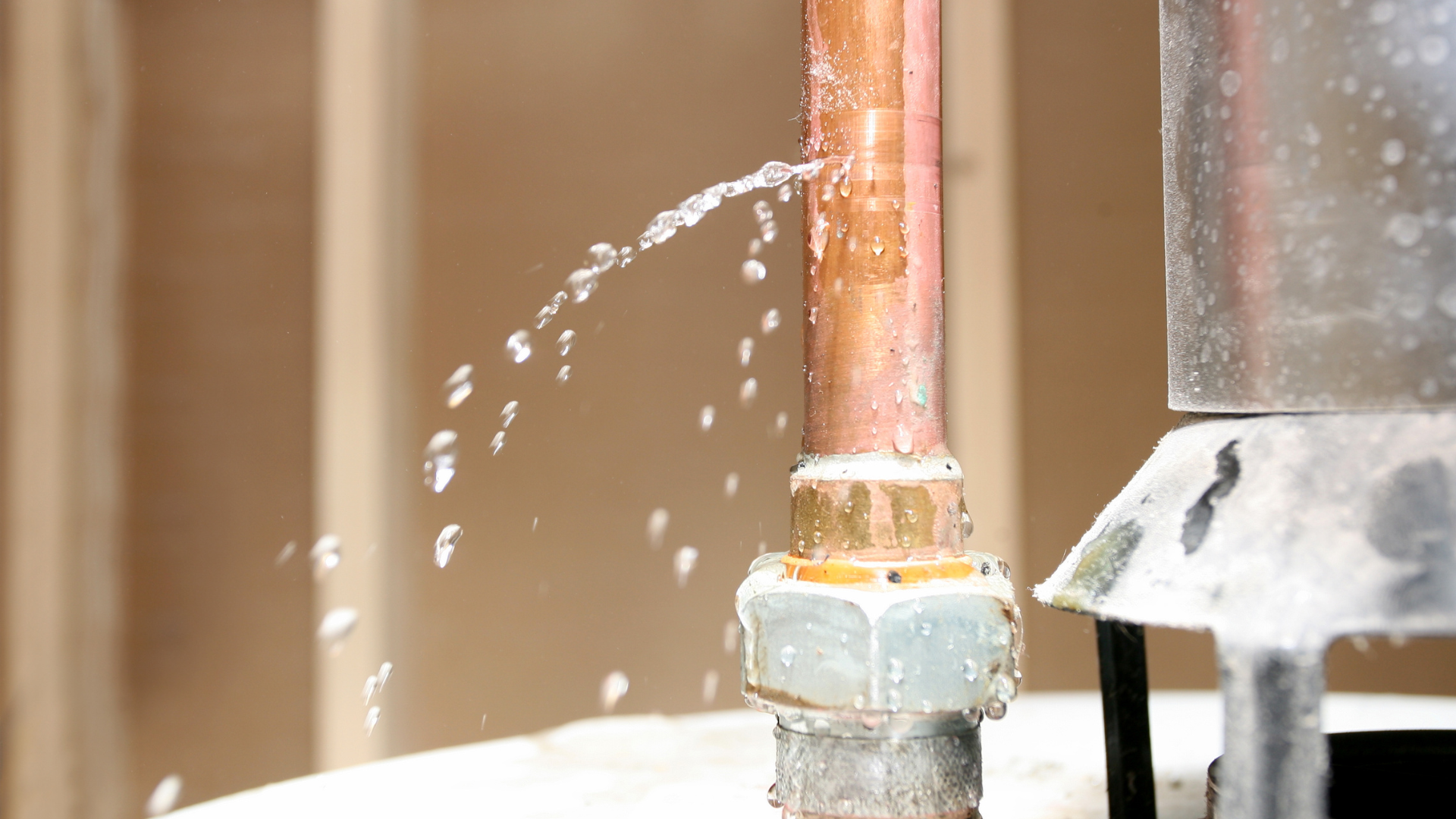
The answer to can you use plumber’s putty to stop a leak is sometimes for a compatible fixture connection, but not an active pipe. Plumber’s putty is a soft compound that seals between rigid surfaces. It is commonly used beneath sink strainers, faucet bases, and certain drain fittings. It cannot hold pressure from a cracked pipe, leaking supply, failed valve, or damaged hose.
Covering a drip can hide the source while water damages a cabinet, wall, floor, or ceiling. Start by controlling the water and identifying whether the leak is on the supply or drain side. Homes across Gainesville, Newberry, Alachua, and High Springs contain varied pipes, fixtures, and past repairs. This guide explains where plumber’s putty belongs and what to do when it does not.
What Is Plumber’s Putty Designed to Do?
Plumber’s putty is shaped into a bead and compressed as a fixture is tightened. Pressure spreads it into small gaps around an opening. Unlike an adhesive or hard patch, standard putty remains flexible for later disassembly. It seals a fixture interface as part of a complete connection.
Oatey describes plumber’s putty as a fixture-setting compound for compatible faucets, sink frames, and strainers. Its
current guidance says a leaking drain should be removed before reapplication. Smearing material outside an assembled connection cannot correct a damaged gasket, cracked fitting, or misalignment. The component must be inspected, cleaned, reassembled, and tested.
| Material or method | Intended role | Not appropriate for |
|---|---|---|
| Plumber’s putty | Setting compatible strainers, faucet bases, and certain drain fittings | Pressurized pipe leaks or cracked components |
| Thread seal tape | Sealing compatible threaded pipe joints | Smooth tubing, compression ferrules, or surface patches |
| Pipe joint compound | Sealing approved threaded connections | Fixture surfaces unless specifically approved |
| Silicone sealant | Sealing compatible fixture joints when instructions call for it | Pressurized pipe repair or a substitute for damaged parts |
| Epoxy or repair product | Limited temporary or product-specific repair uses | Any application outside the label or a guaranteed permanent fix |
| Replacement fitting or pipe | Restoring a failed plumbing component | Situations where the surrounding system is also deteriorated |
Where Can Plumber’s Putty Be Used Correctly?
Appropriate uses are non-pressurized fixture interfaces approved by the manufacturer. Examples include some basket strainers, faucet bases, and drain assemblies. Putty seals water moving through a fixture opening, not water under supply pressure. The fitting, gasket, locknut, and pipe must still be sound.
Product and fixture instructions control because compatibility varies. Traditional putty can stain porous surfaces, and some products are not approved for ABS or certain fixtures. Instructions may require stain-free putty, silicone, a gasket, or no sealant. Substituting another product can cause staining, damage, poor sealing, or warranty problems.
Why Plumber’s Putty Cannot Repair a Pressurized Pipe
Water-supply piping remains pressurized when faucets are closed. Pressure pushes water through cracks, joints, valves, hoses, and loose connections. Surface putty has no strength to restore damaged pipe or resist internal force. Oatey specifically says plumber’s putty is unsuitable for pressurized connections or pipe threads.
A surface patch may appear to slow a drip without repairing the pipe. Water can track behind putty or return when pressure changes. Corrosion and cracking continue beneath the cover. Permanent leaking pipe repair requires restoring or replacing the failed connection, seal, hose, pipe, valve, or fitting.
What Should You Do When Water Is Actively Leaking?
Control the source before testing products. Full flow can quickly damage drywall, cabinets, flooring, insulation, and electrical components. Know the fixture and main shutoff locations before an emergency. Avoid standing water and electrical equipment when electricity may be involved.
Use this response sequence:
- Protect people first: Keep occupants away from water near electricity, a collapsed ceiling, sewage, or another immediate hazard.
- Close the fixture valve: For a toilet, faucet, dishwasher, or appliance connection, shut the nearby supply valve when it is accessible and working.
- Close the main water valve: Use the home’s main shutoff when the local valve does not stop the flow or the leak location is uncertain.
- Relieve pressure: After shutting off the supply, open a lower cold-water faucet briefly if it is safe and appropriate for the system.
- Contain remaining water: Use buckets and towels without disturbing a damaged pipe or creating an electrical risk.
- Photograph the area: Document the source, damage, and shutoff actions.
- Call for repair: Arrange prompt professional help for a damaged pipe, failed valve, inaccessible leak, or water that cannot be controlled.
The EPA’s WaterSense guidance reminds homeowners to turn off the water line before leak work. Do not force a corroded, stuck, or leaking valve. Tell the plumber if water continues after the main is closed. Scarborough Plumbing provides Gainesville plumbing repair, including leak detection, pipe repair, and fixture work.
Identify the Leak Before Choosing a Sealant
Water often appears below its source. Faucet leaks travel through mounting holes, supply leaks run down hoses, and strainers may leak only when filled. Condensation can also resemble a leak. Drying and observing the area helps, but should not delay shutting off an active supply leak.
Use the operating pattern to narrow the category:
- Leaks constantly, even when the fixture is off: Suspect a pressurized supply pipe, shutoff, hose, valve, or connection.
- Leaks only while the faucet runs: Check the faucet body, connections, drain assembly, trap, and splash paths.
- Leaks only when the basin holds water: The strainer, drain flange, gasket, overflow, or fixture body may be involved.
- Leaks when the sink drains: A slip joint, trap, drain pipe, disposal connection, or wall-side drain may be leaking.
- Water appears without fixture use: Consider concealed plumbing, an appliance, condensate, or building leak.
- Meter shows flow with all fixtures off: A hidden plumbing or irrigation leak may require professional detection.
- Water is dirty or has sewage odor: Stop fixture use and treat it as a drainage or sewer problem rather than a clean-water leak.
Do not dismantle a connection until its supply is off. Overtightening can crack plastic or deform seals. Concealed leaks may need limited access after diagnosis identifies the location. Our repair-versus-replacement guide explains how material, age, failure pattern, and condition shape the decision.
| Leak pattern | Likely area to investigate | Why putty alone is not the answer |
|---|---|---|
| Constant drip at supply hose | Hose, valve, washer, or threaded connection | Connection remains pressurized |
| Water beneath sink only during draining | Strainer, gasket, trap, or drain joint | Failed part may require disassembly or replacement |
| Moisture around faucet base | Fixture seal, supply connection, or splash path | Source must be separated before resealing |
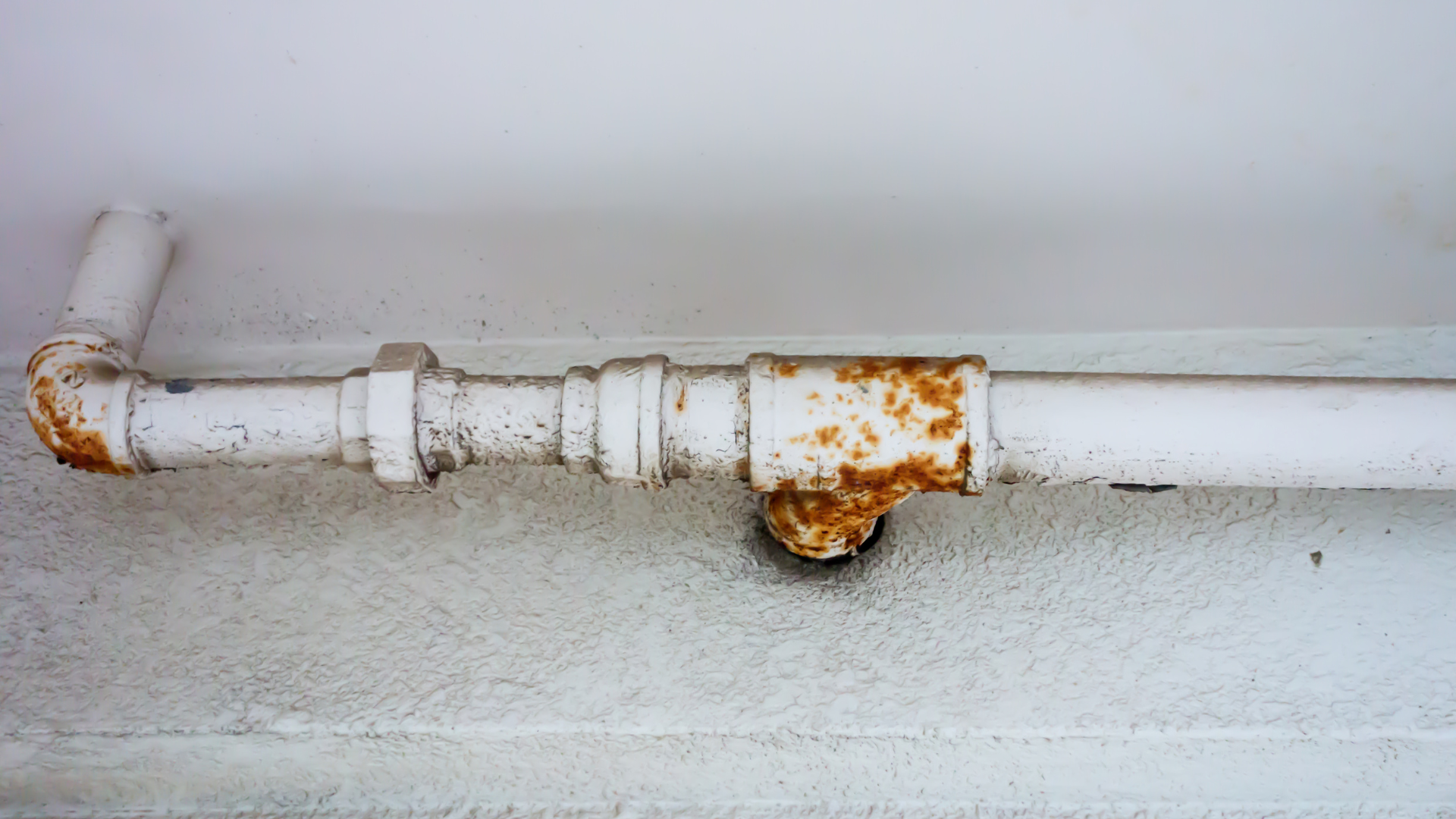
| Pinhole in exposed pipe | Corroded or damaged pipe wall | Pipe has lost structural integrity |
| Damp wall or ceiling | Concealed pipe, fixture, appliance, or building leak | Surface location may not match source |
| Repeated leaks in different areas | Broader pipe deterioration or pressure issue | One local patch cannot correct system condition |
What Does a Permanent Plumbing Leak Repair Involve?
Permanent repair restores the failed component. A basket strainer may need removal, cleaning, correct sealant, a sound gasket, and proper tightening. A supply leak may require a new connector, valve, fitting, or pipe section followed by testing. A cracked trap or drain fitting needs compatible replacement parts.
Hidden leaks need diagnosis because unnecessary demolition adds cost. Testing may involve the meter, pressure, acoustics, moisture readings, imaging, or strategic access. The EPA says leak detection and flow-monitoring devices can identify unusual use and sometimes activate a shutoff. Repair should address both the opening and its cause, including corrosion, movement, pressure, or faulty installation.
Avoid These Common Plumber’s Putty Mistakes
Easy shaping can make plumber’s putty seem universal. The right product on the wrong surface can still fail. Read the fixture instructions and product label first. Diagnose an uncertain source instead of layering sealants.
Avoid these mistakes:
- Pressing putty over a pressurized pinhole, cracked pipe, valve, or hose.
- Applying putty to pipe threads when the connection calls for thread seal tape or approved compound.
- Adding new putty around the outside of an assembled drain instead of removing and resetting it.
- Reusing dirty, hardened, or contaminated putty from an old connection.
- Using standard oil-based putty on stone, porous materials, plastics, or finishes that require another product.
- Combining putty with silicone or other sealants unless the manufacturer specifically directs it.
- Overtightening a strainer or fitting until the sink, fixture, gasket, or plastic nut deforms.
- Assuming a dry cabinet proves success without retesting the fixture.
- Ignoring damaged finishes or recurring moisture after the drip stops.
A fixture reset requires clean surfaces and an intact assembly. Remove old putty, inspect mating surfaces, and apply the correct seal evenly. Tighten properly and complete a controlled water test. More putty cannot make a cracked, corroded, or misaligned fitting reliable.
Use a Decision Framework Instead of Reaching for Putty
Start with three questions: Is the water under pressure, is the leak active, and can the source be identified safely? Pressurized or uncontrolled water requires shutoff and repair, not fixture-setting compound. A non-pressurized fixture interface may be a putty application only when the product and fixture manufacturers approve it. Damage, corrosion, repeated leaks, inaccessible piping, and uncertainty move the job toward professional diagnosis.
Use this framework:
- Use plumber’s putty when installing or resetting a compatible strainer, faucet base, or approved drain fitting exactly as directed.
- Use the specified gasket or silicone when the fixture instructions require it instead of putty.
- Shut off water immediately for a pressurized pipe, hose, valve, or connection leak.
- Replace the failed part when a pipe, fitting, gasket, valve, hose, trap, or fixture is cracked or deteriorated.
- Request leak detection when moisture is hidden, the meter shows unexplained flow, or the visible wet area does not reveal the source.
- Compare repair with replacement when leaks recur or the same aging pipe material is failing in several locations.
- Request urgent help when water cannot be stopped, sewage is involved, a ceiling is bulging, or electricity may be exposed.
The framework is the same across Gainesville, Newberry, Alachua, and High Springs, but the home changes the scope. Access, pipe material, fixture design, water damage, previous repairs, and the location of shutoff valves can make a simple-looking drip more complex. Florida humidity can also slow drying and make concealed moisture harder to ignore. We inspect the actual failure before recommending a fixture reset, targeted pipe repair, or broader replacement.
Estimated 2026 Cost and Service Context
Our
$180 minimum service call includes up to one hour of labor and the materials needed to complete the repair. If the work requires more than one hour, additional labor is billed at
$45 per 15 minutes, with the final total depending on access, parts, diagnosis, damage, and repair scope. For broader market context, HomeGuide’s 2026 plumber cost guide lists approximately
$150 to $850 for leak repairs and
$400 to $2,000 for pipe repairs. These national ranges can help with general planning, while our published service terms and the inspected repair scope determine the actual project cost.
| Pricing item | Published or market context | What can change the final total |
|---|---|---|
| Scarborough minimum service call | $180 | Includes up to one hour of labor and repair materials |
| Scarborough additional labor | $45 per 15 minutes after the first hour | Time required beyond included labor |
| National leak-repair planning range | $150 to $850 | Leak type, parts, access, and urgency |
| National pipe-repair planning range | $400 to $2,000 | Pipe material, location, damage, and restoration |
| Hidden leak detection | Scope dependent | Equipment, access, testing, and leak location |
| Wall, cabinet, or floor restoration | Separate scope | Extent of water damage and finish materials |
Frequently Asked Questions
Will plumber’s putty stop a leak under a sink?
It depends on the source. Putty may be part of correctly resetting a compatible sink strainer or drain flange, but it will not repair a leaking supply hose, valve, pipe, trap, or cracked fitting. Dry the area and identify when the leak occurs. The failed connection may need disassembly, a new gasket, or replacement parts.
Can I press plumber’s putty over a pinhole leak?
No. A pinhole means the pipe wall has deteriorated or been damaged, and the water inside may be pressurized. Surface putty does not restore the pipe’s strength. Shut off the supply and have the affected section repaired or replaced.
Does plumber’s putty harden like epoxy?
Standard plumber’s putty usually remains flexible rather than curing into a structural patch. That flexibility helps when setting and later removing certain fixtures. Epoxy putty is a different product with its own limitations and instructions. Neither product should be assumed safe for a pressurized repair unless its label specifically approves that exact use.
Should I use plumber’s putty or silicone on a sink drain?
Follow the sink, drain, and sealant manufacturers’ instructions. Some assemblies permit plumber’s putty, while others require silicone, a stain-free product, or a supplied gasket. Sink material also matters because standard putty can stain some porous surfaces. Do not combine products unless the instructions call for it.
How do I stop a leak until the plumber arrives?
Close the fixture shutoff or main water valve, then contain residual water if it is safe. Keep people away from electrical hazards, sewage, or a weakened ceiling. Do not rely on an improvised surface patch while the line remains pressurized. Tell the plumber what was shut off and whether water continues.
When does one leak suggest a larger pipe problem?
One isolated failed connector may only need a focused repair. Repeated pinholes, corrosion, discolored water, pressure loss, or leaks in different areas can indicate broader deterioration. Pipe material, age, water conditions, and prior repairs should be reviewed together. Scarborough Plumbing can explain whether another targeted repair or a larger replacement plan makes better sense.
Stop the Water First, Then Repair the Right Component
Plumber’s putty is useful when it is applied to the compatible fixture connection it was designed to seal. It is not a substitute for plumbing leak repair on a pressurized pipe, failed valve, cracked fitting, or deteriorated hose. Scarborough Plumbing identifies the source, controls the leak, and repairs the component responsible for it. We serve homeowners and businesses across Gainesville, Newberry, Alachua, High Springs, and surrounding Alachua County communities.
If water is actively leaking, close the appropriate shutoff and call before a small repair becomes larger water damage. Review our complete plumbing services or contact Scarborough Plumbing to schedule an assessment. We will explain whether the solution is a fixture reset, replacement seal, targeted pipe repair, leak detection, or broader system work. You will receive clear pricing before approved work moves forward.
Emergency Plumbing Warning Signs
Recent Posts
Experience Expert Plumbing Services You Can Trust
When you need reliable plumbing solutions in Gainesville, Scarborough Plumbing is here to help. Our experienced team is ready to tackle any plumbing challenge, from routine maintenance to complex installations and everything in between. We pride ourselves on delivering honest, professional service with transparent pricing and quality workmanship that lasts. Don't let plumbing issues disrupt your day. Contact Scarborough Plumbing now and discover why Gainesville residents and businesses have trusted us since 2010 for all their plumbing needs.