7 Plumbing Checks Every Gainesville Homeowner Should Make Before a Hurricane
The Warning Signs Are Usually More Than Just Leaks
Hurricane preparation usually starts with shutters, batteries, food, and yard cleanup, but the plumbing system deserves attention too. Heavy rain, power outages, flooding, and utility disruptions can turn a small plumbing weakness into a much bigger problem. A practical hurricane plumbing checklist helps Gainesville homeowners find those weaknesses while there is still time to repair them.
At Scarborough Plumbing, we would rather identify a slow drain, weak supply line, leaking water heater, or faulty shutoff before storm conditions arrive. We serve Gainesville as well as Newberry, Alachua, High Springs, and surrounding communities. The goal is not to make preparation complicated, but to make sure the plumbing systems you may depend on during and after a storm are working correctly.
Why September Is Still an Important Hurricane Preparation Month
NOAA’s updated 2026 Atlantic hurricane outlook favors a below-normal season overall, but it still expects most remaining activity during August, September, and October. NOAA also notes that its seasonal outlook does not predict whether a storm will make landfall in any specific location. NOAA 2026 Atlantic Hurricane Season Outlook That means a quieter seasonal forecast is not a reason to ignore preparation at an individual Gainesville property.
Gainesville is inland, but tropical systems can still bring heavy rain, wind, power outages, saturated soil, and utility disruptions across North Central Florida. Plumbing problems do not require a direct coastal landfall to appear. September is a useful time for a
plumbing inspection before hurricane threats because repairs are easier to schedule before a watch or warning is already in effect.
7 Plumbing Checks to Make Before a Hurricane
1. Find and Test the Main Water Shutoff
Every homeowner should know where the main water shutoff is located before an emergency happens. If a supply pipe breaks during a storm, shutting off the water quickly can limit additional damage inside the home. If the valve is corroded, leaking, seized, or difficult to identify, have it checked before the storm rather than forcing it during an active leak.
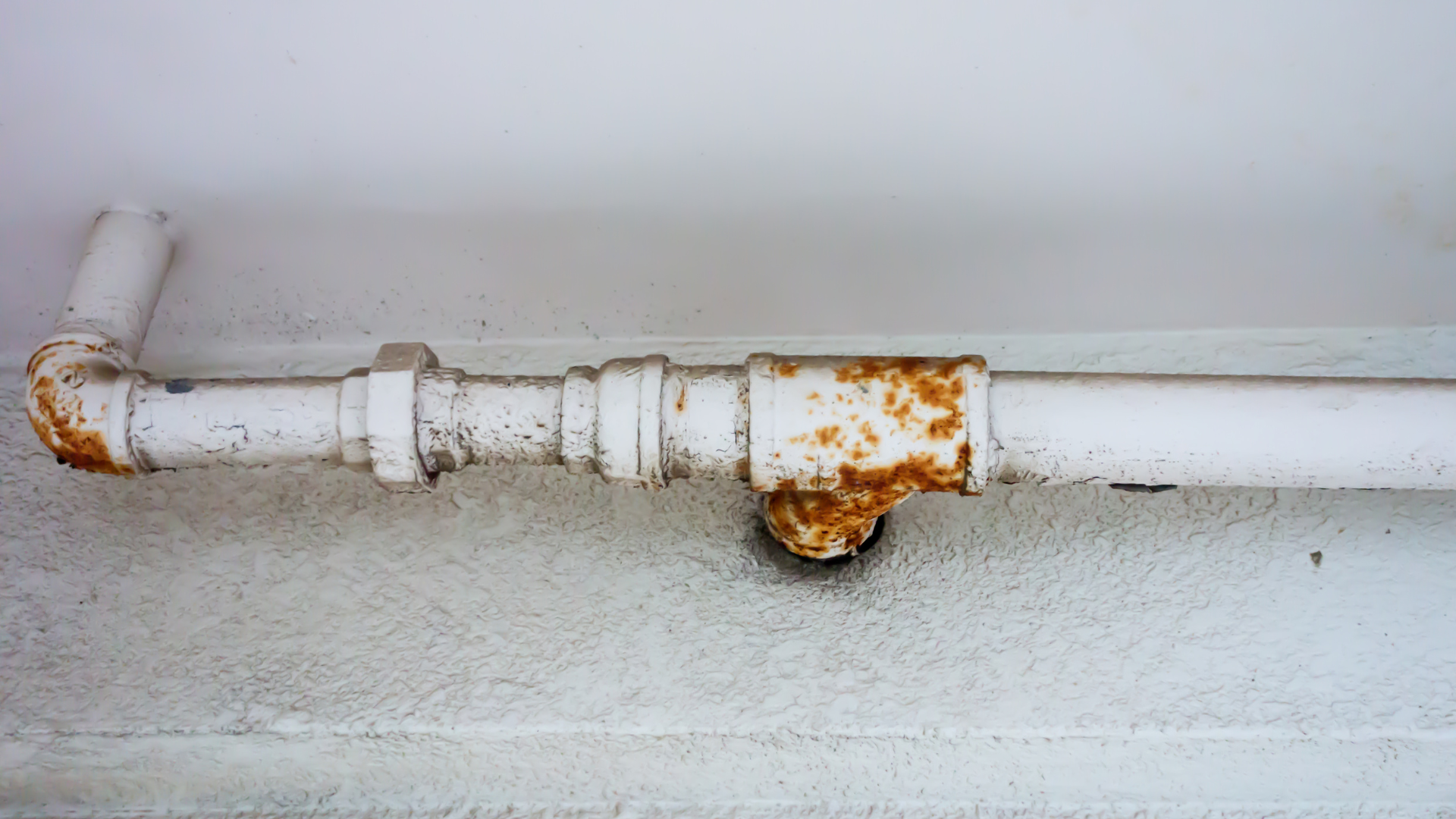
2. Repair Active Leaks and Weak Supply Lines
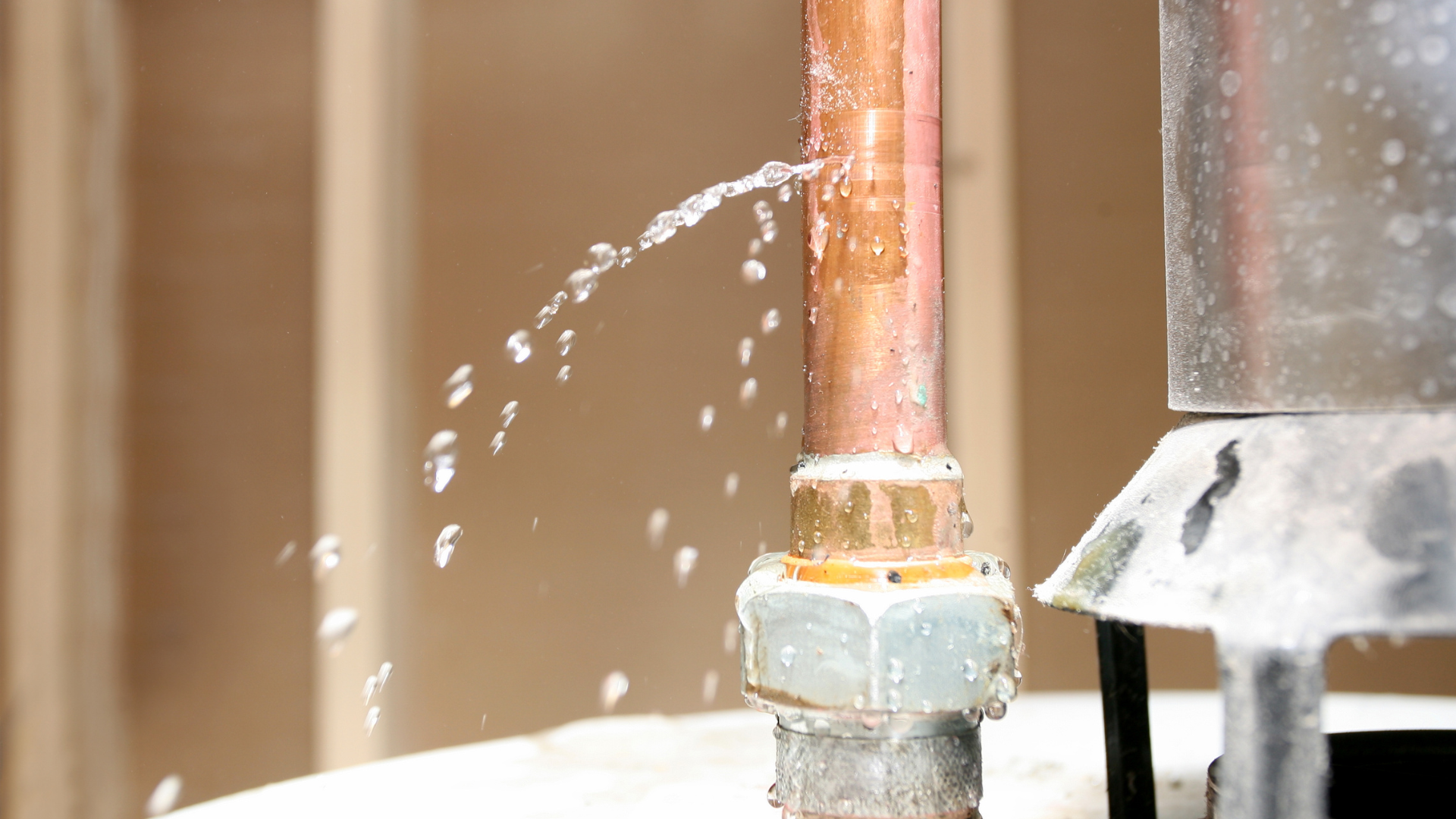
Check visible supply lines to toilets, sinks, washing machines, refrigerators, and other water-using appliances. Look for corrosion, bulging braided lines, dripping fittings, moisture around valves, and staining below connections. Emergency plumbing preparation is much easier when known leaks are handled before roads, schedules, and service availability become more difficult.
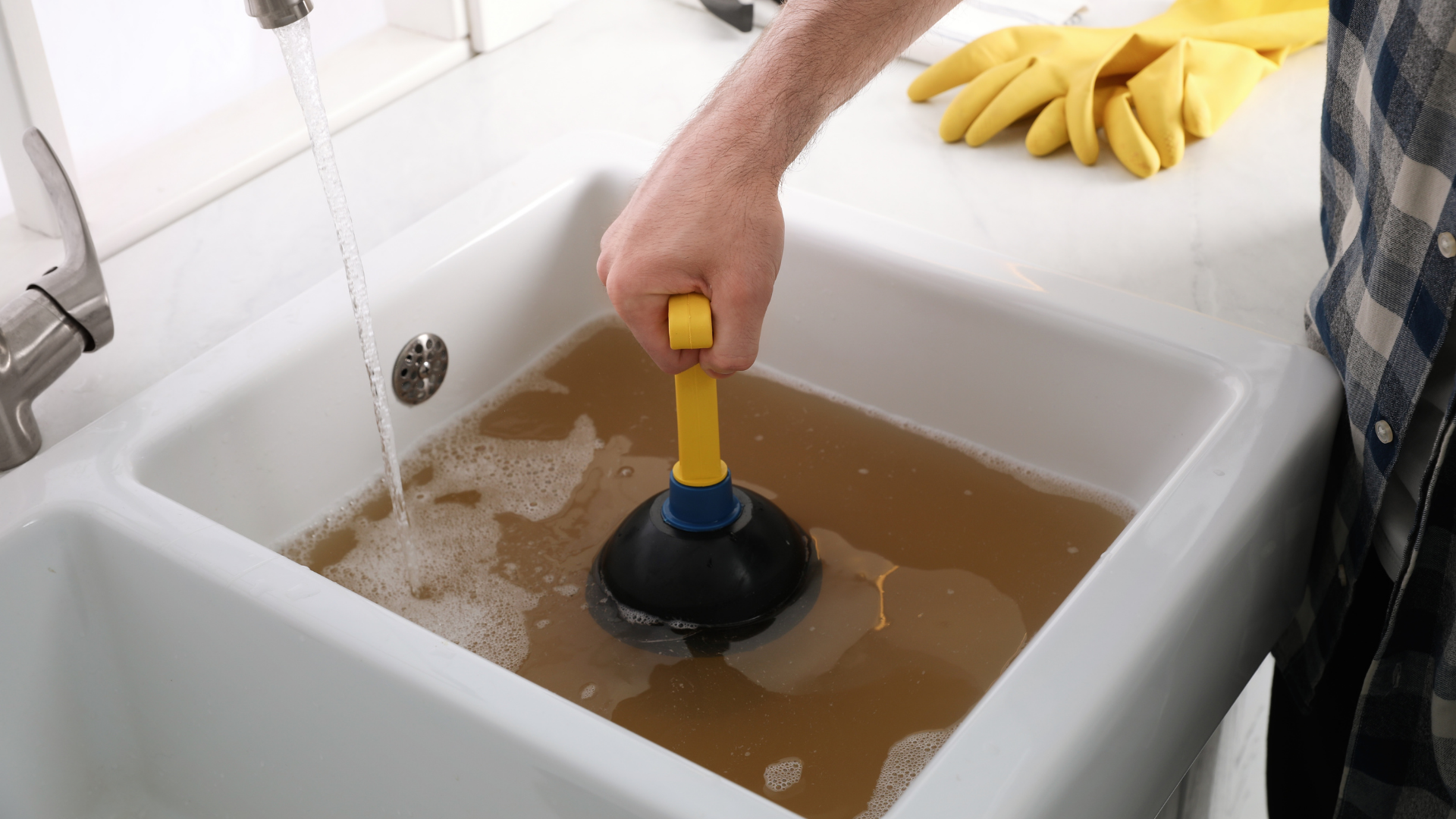
3. Clear Slow or Recurring Drains
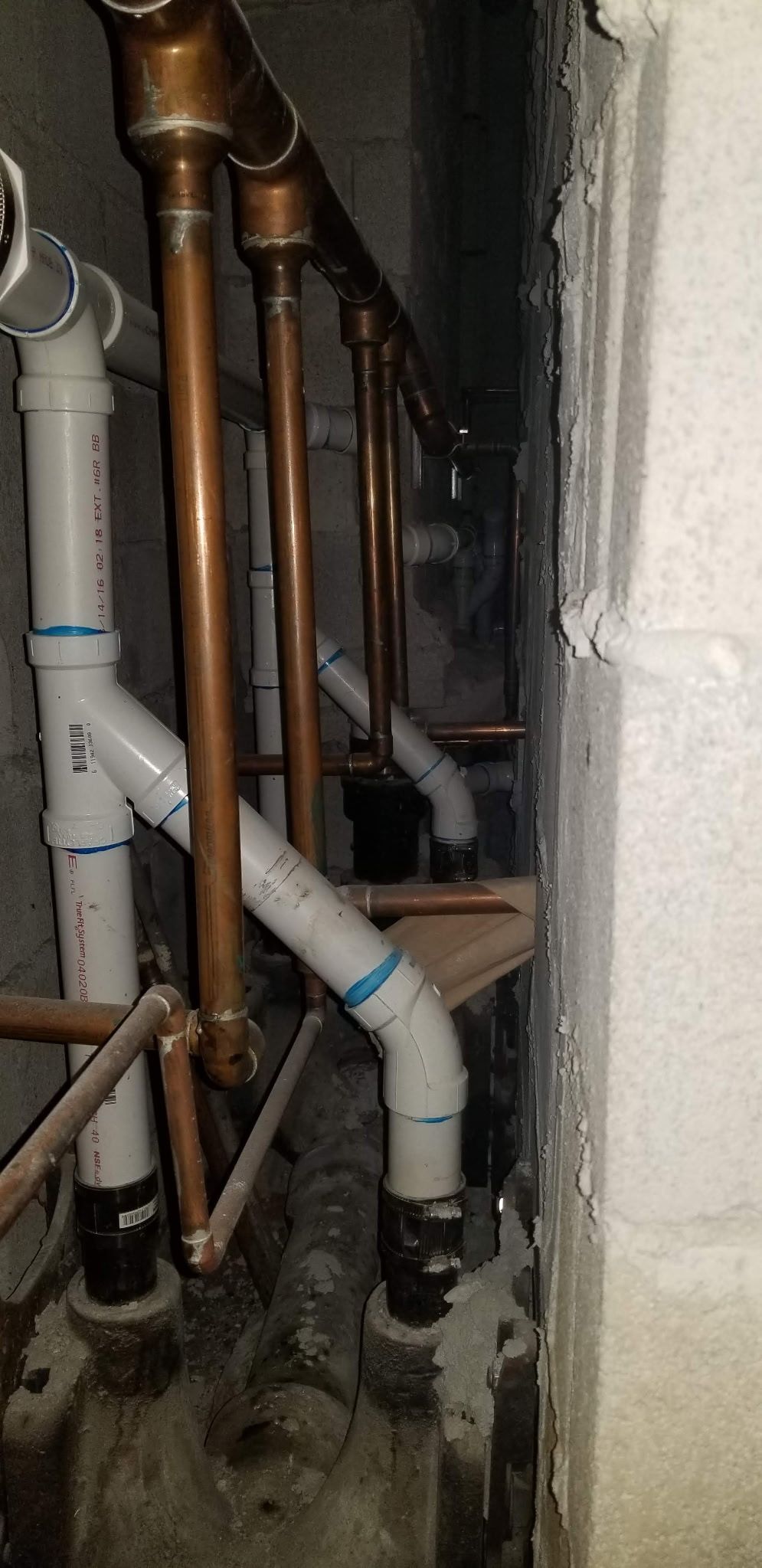
A drain that is already slow should not be ignored before a tropical system. Hair, grease, scale, roots, and other buildup can reduce drainage capacity, while several slow fixtures at once may point to a larger sewer-line restriction. Scarborough Plumbing’s professional drain cleaning guide explains why snaking, camera inspection, and hydro jetting are used for different types of blockages.
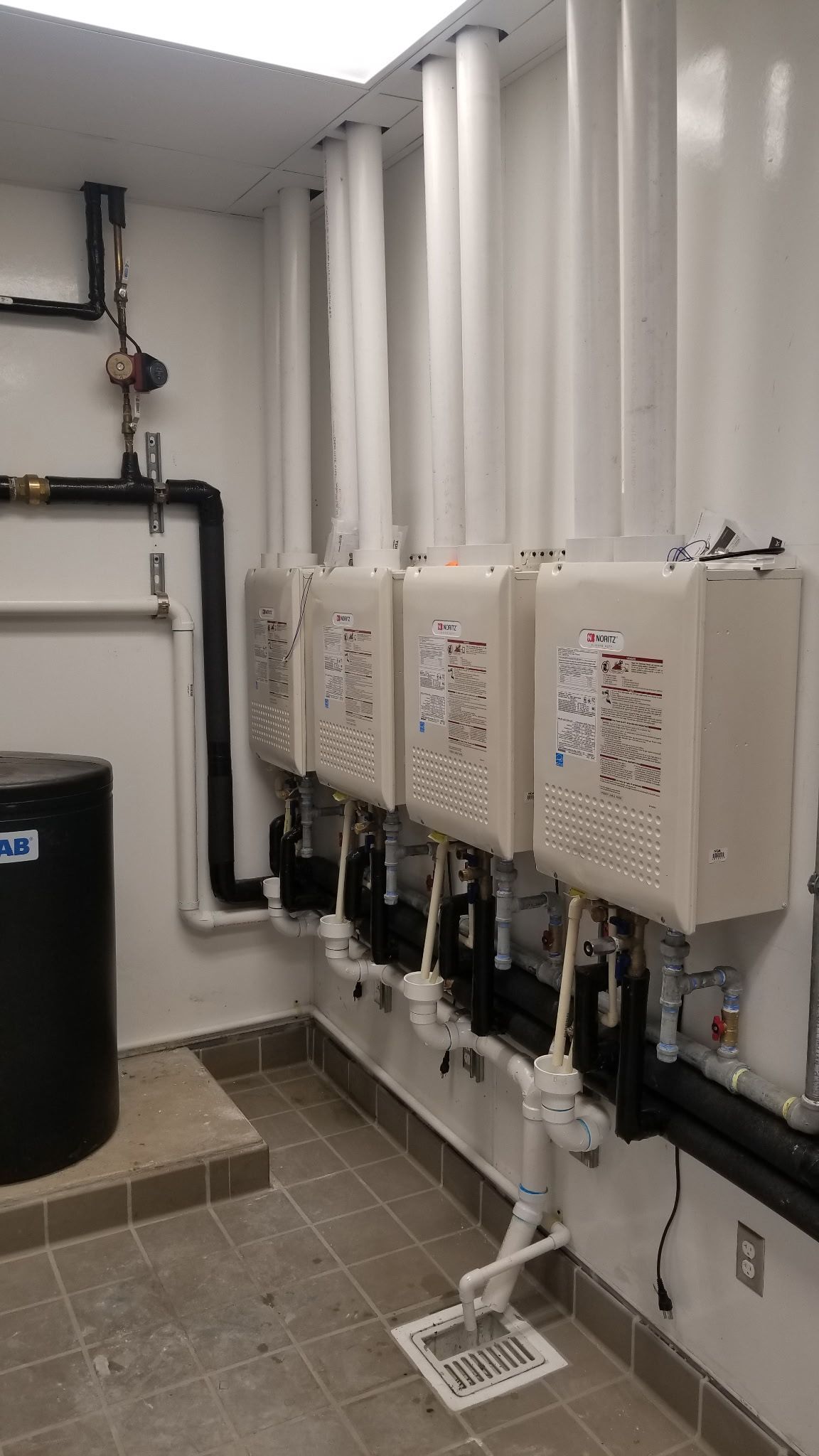
4. Check the Water Heater and Its Shutoff
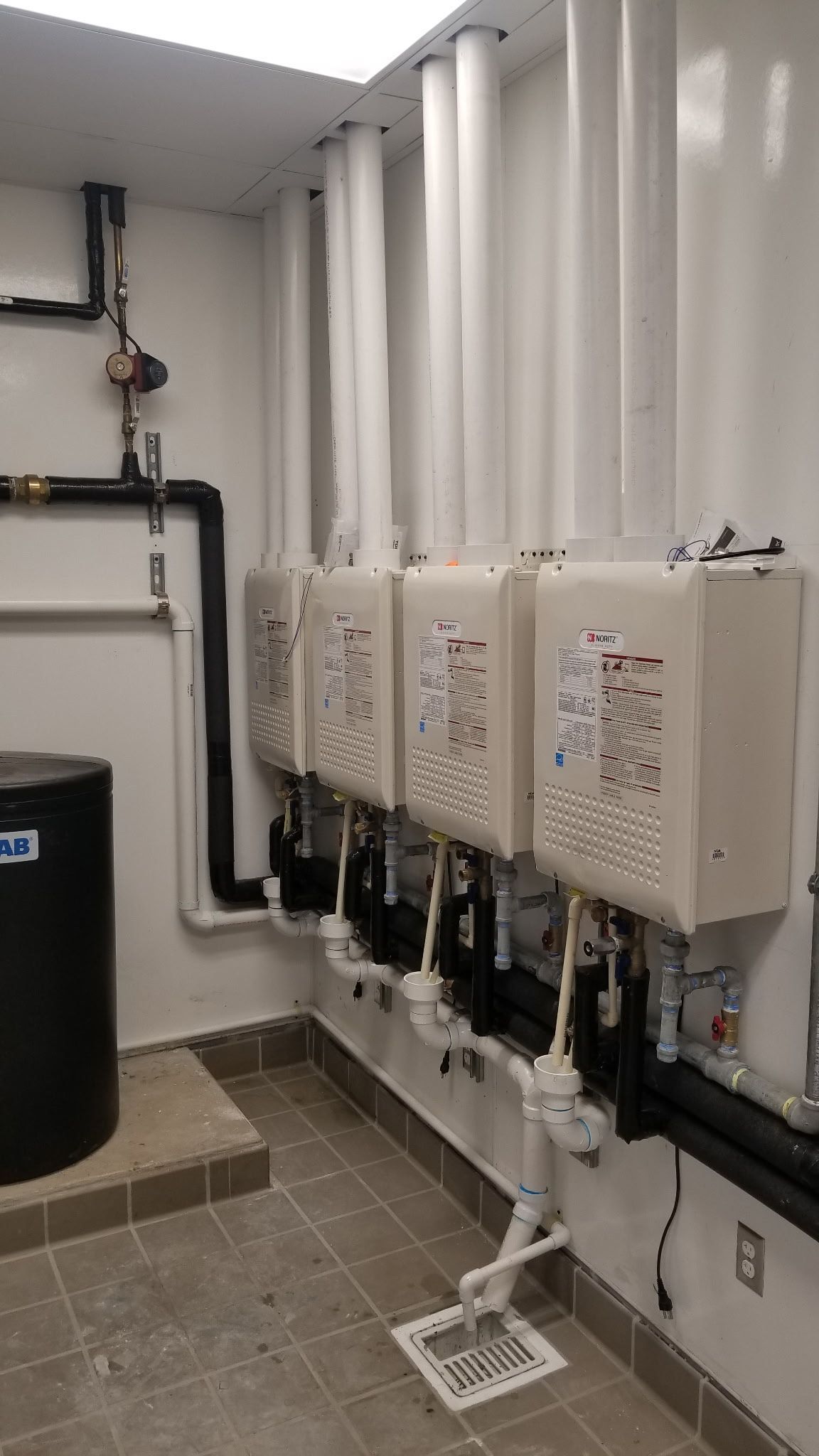
Check around the water heater for moisture, corrosion, rusty water, popping noises, or reduced hot-water capacity. You should also know where the water shutoff and energy controls are located, but do not drain or disconnect the unit simply because a hurricane is approaching. Our Gainesville water heater warning-sign guide covers the symptoms that deserve attention before a complete failure.
5. Test Sump Pumps and Other Plumbing Pumps
Not every Gainesville home has a sump pump, but any pump that protects the property should be tested before heavy rain is forecast. Make sure the pump starts, the float moves freely, the discharge path is open, and the system is not making unusual noises. Some septic and drainage systems also depend on electricity, so homeowners should understand what happens if power is lost.
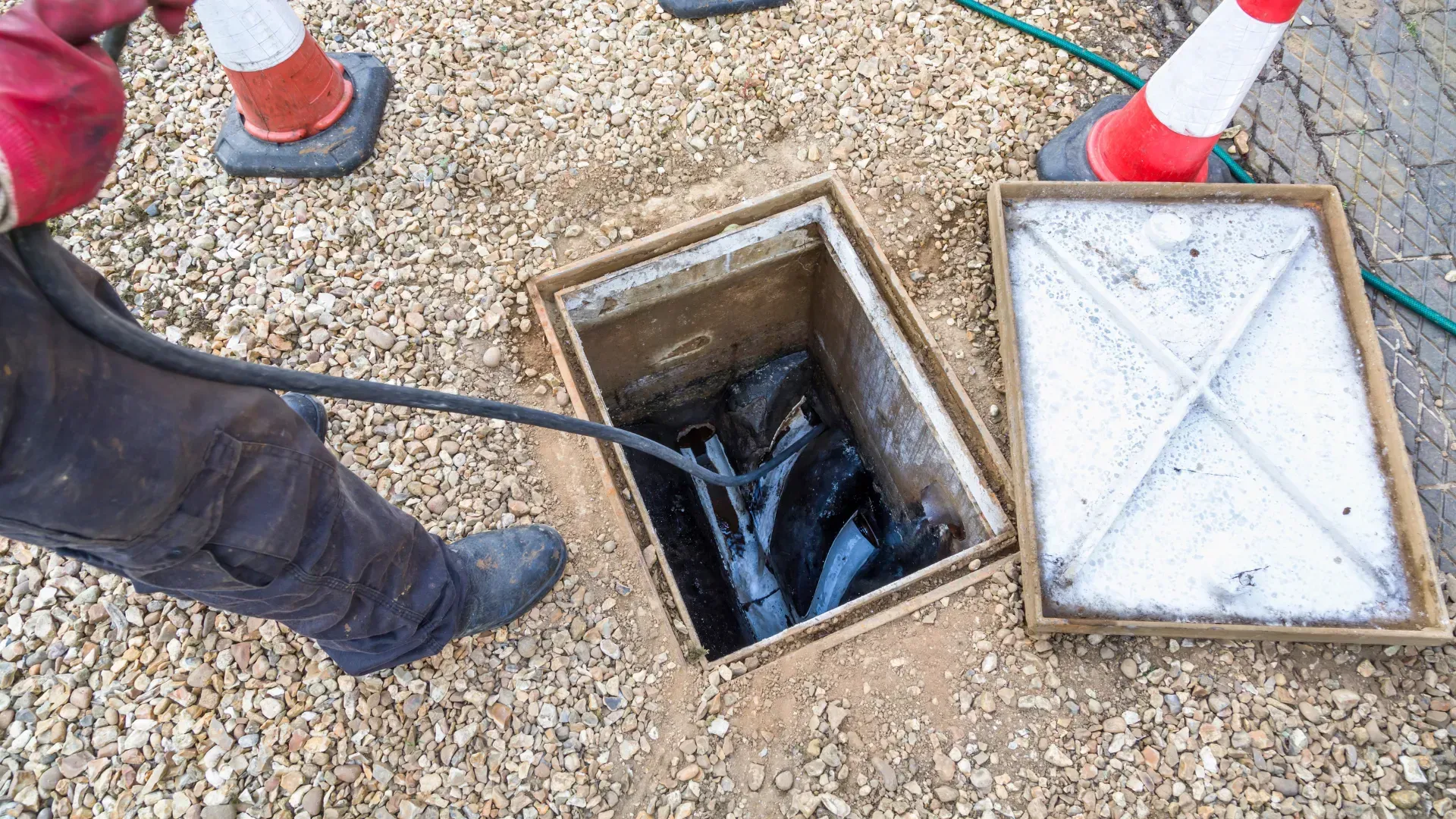
6. Know Whether the Home Uses Sewer or Septic
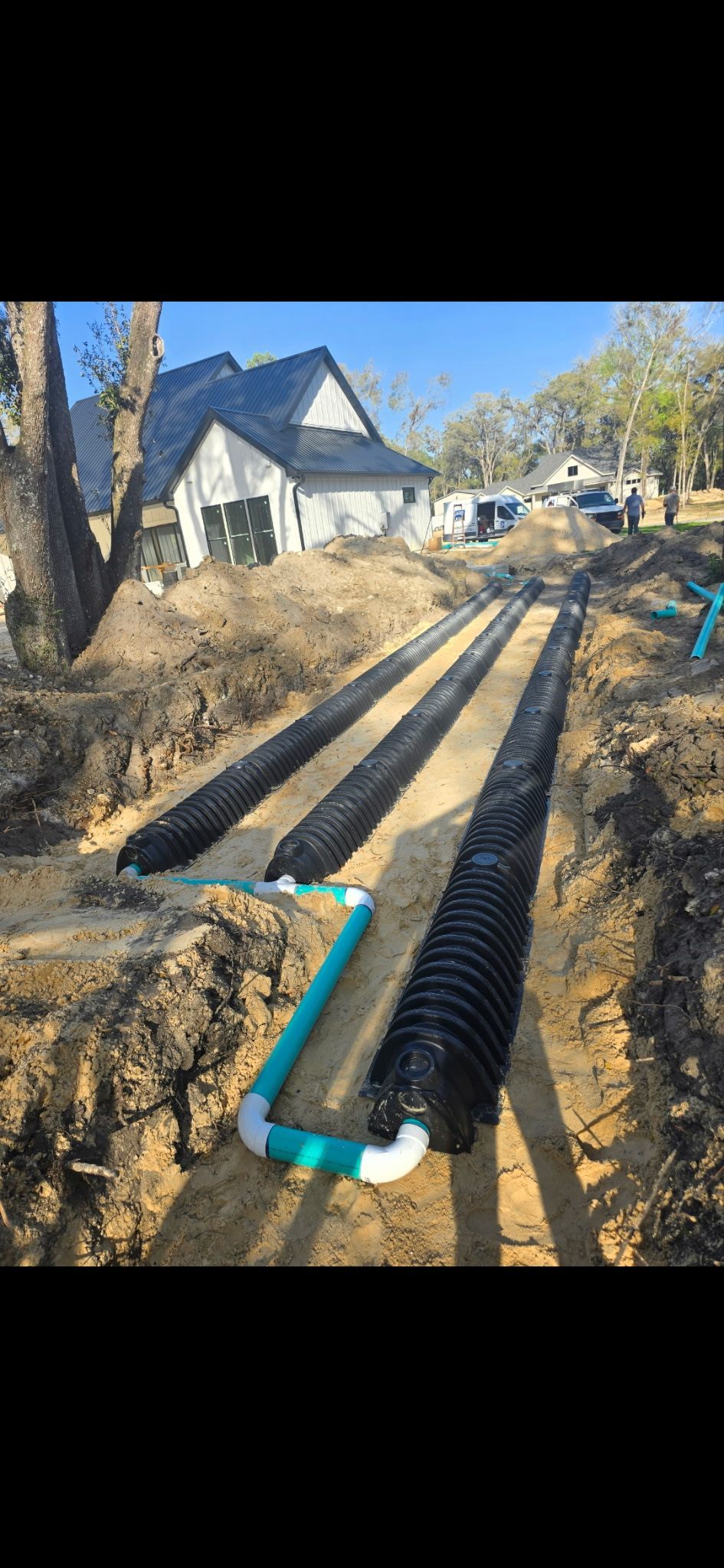
Gainesville and surrounding Alachua County include both municipal sewer connections and properties that rely on septic systems. Homeowners should know which system serves the property because storm response is different for each one. Florida Department of Health guidance says that when septic plumbing becomes sluggish during flooding or saturated conditions, water use should be reduced and the tank should not be pumped while surrounding soil is saturated. Florida Department of Health storm and septic guidance
7. Plan for Water or Sewer Interruptions
A complete
hurricane plumbing preparation plan includes knowing what you will do if public water, a private well, electricity, or sewer service becomes unavailable. Keep safe drinking water as part of the household emergency supply and follow official boil-water or utility notices after the storm. Make sure more than one person in the household knows where the main shutoff is and how to contact a plumber if the system develops a problem.
Which Plumbing Checks Should You Prioritize First?
Not every item on a hurricane plumbing checklist has the same urgency. An active supply leak, sewage backup, failing water heater, or nonworking pump deserves faster attention than a cosmetic fixture issue. The table below helps separate problems that can wait from issues that should be addressed before a storm shortens the repair window.
| What You Find | Priority | Why It Matters |
|---|---|---|
| Main shutoff will not operate | High | You may not be able to stop an emergency leak |
| Active pipe or supply-line leak | High | Can worsen while repair access is limited |
| Several slow drains | High | May indicate a main-line restriction |
| Sewage backup or recurring gurgling | Urgent | Can point to sewer or septic problems |
| Water around water heater | High | Existing leak may worsen |
| Pump does not start | High | May fail when rainfall increases |
| One minor slow sink | Moderate | Usually localized but still worth clearing |
| Small fixture drip | Moderate | Repair before leaving home unattended |
Start with anything that can release water, block wastewater, or disable a system you may need during heavy rain or a power outage. Scarborough Plumbing’s approach is to diagnose the actual problem before recommending work. That keeps plumbing storm preparation focused on useful repairs rather than replacing components that are still working.
What to Do When a Hurricane Is 48 to 72 Hours Away
Once a storm becomes a realistic local concern, focus on confirmation rather than major last-minute projects. Make sure the main shutoff is accessible, known leaks are already repaired, and slow drains are not getting worse. Keep the area around the water heater, valves, and important plumbing equipment clear so you can reach them quickly.
Avoid Last-Minute Drain Experiments
Do not pour aggressive chemical drain cleaners into a slow or backed-up line immediately before a storm. If the blockage is deeper in the system, the chemical may not solve it and can leave corrosive material sitting in the pipe for whoever has to service it later. Recurring or multi-fixture drainage problems are better diagnosed before the weather deteriorates.
Photograph Important Plumbing Areas
Take quick photos of the water heater, visible plumbing equipment, shutoff locations, and any area that has leaked in the past. These photos give you a reference if conditions change after the storm. They can also help show whether a stain, leak, or equipment position is new.
Know Your Utility, Septic, and Shutoff Plan
A Gainesville home connected to municipal water and sewer has different storm vulnerabilities from a property in Newberry, Alachua, or High Springs with a private well and septic system. Public utility customers need to follow water-quality and sewer notices, while well owners may lose water if power to the pump is interrupted. Septic properties may have limited wastewater capacity when the drainfield becomes saturated.
Municipal Water and Sewer Homes
If public water or sewer service is disrupted, follow local utility instructions before returning to normal water use. Do not assume water is safe simply because it still flows from the faucet, and reduce wastewater use if sewer service is compromised. A private sewer-line blockage inside the property still requires plumbing service even when the public system is operating normally.
Septic and Private-Well Homes
For septic properties, keep unnecessary stormwater away from the drainfield and reduce household water use if the yard becomes flooded or saturated. A septic system with an electrical pump may not work normally during an outage, and well pumps can also stop when power is lost. Specialized well, septic-tank, and drainfield repairs may require the appropriate licensed provider even when Scarborough Plumbing is handling the home’s interior plumbing.
When to Shut Off the Water
Knowing how to shut off the water is important, but homeowners should not automatically close valves just because a storm has been named. The main shutoff becomes especially useful if a pipe breaks, a supply connection fails, or local emergency guidance calls for shutting down the system. If you plan to leave the property and are considering shutting off water, make sure you understand how that affects the water heater and other plumbing equipment.
What to Check Immediately After the Storm
Once conditions are safe, walk through the home before returning to normal water use. Check toilets, sinks, appliance supply lines, the water heater, visible piping, pumps, and the lowest fixtures for leaks, sewage odors, slow drainage, low pressure, or discolored water. If several fixtures suddenly behave differently, the problem may involve more than one local drain.
Outside, check for standing water around septic areas, visible pipe damage, displaced equipment, or water near plumbing connections. Follow any boil-water, sewer, or utility advisory even if the indoor plumbing appears normal. If sewage has backed up or electrical equipment has been exposed to floodwater, avoid contact until the area can be handled safely.
What Does Hurricane Plumbing Preparation Cost?
Scarborough Plumbing’s current service-call pricing is straightforward. The minimum service call is $180, covering up to one hour of labor, plus materials. If the work continues beyond the first hour, additional labor is billed in 15-minute increments at $45 per quarter hour, and added work is explained before it is performed.
| Scarborough Plumbing Cost Item | Current Pricing |
|---|---|
| Minimum service call | $180 |
| Labor included | Up to first hour |
| Materials | Additional, based on repair |
| Labor after first hour | $45 per 15 minutes |
| Additional repair scope | Explained before work proceeds |
A pre-storm visit might involve a shutoff-valve repair, clearing a localized drain, checking a leak, or diagnosing a larger sewer or water-heater issue. The final cost depends on what the plumber finds, what materials are required, and whether multiple systems need attention. Scarborough Plumbing uses transparent pricing so homeowners know the repair scope before additional work is completed.
Hurricane Plumbing Preparation Around Gainesville
Gainesville is the primary location for this guide, but the same preparation applies across Newberry, Alachua, and High Springs. Properties outside central Gainesville are more likely to vary between municipal utilities, private wells, septic systems, larger lots, and different drainage conditions. Those differences are why a checklist should begin with understanding how the individual property gets water and handles wastewater.
Scarborough Plumbing has served Gainesville and surrounding communities since 2010 with residential and commercial plumbing repairs, installations, drain service, leak detection, repiping, and emergency repairs. We regularly work with the mix of older and newer plumbing found throughout Alachua County. Homeowners who want a professional
plumbing inspection before hurricane conditions arrive can contact Scarborough Plumbing before the repair window becomes compressed.
Frequently Asked Questions
Should I shut off my main water before a hurricane?
Not automatically. You should know where the valve is and make sure it can operate so you can stop water quickly if a pipe or supply line fails. If you evacuate or receive specific utility guidance, consider the needs of the water heater and other plumbing equipment before shutting the system down.
Should I clean slow drains before a hurricane?
Yes, especially when several drains are slow, toilets gurgle, or the problem keeps returning. Those symptoms can point to a larger restriction that may become harder to deal with during prolonged rain or utility disruptions. A professional can determine whether the line needs basic clearing, camera inspection, or another repair.
What should I do with a septic system before a hurricane?
Know where the system is, limit unnecessary water use if the property becomes flooded or saturated, and keep stormwater away from the drainfield where possible. Florida health guidance says not to pump a septic tank while the surrounding ground is saturated or flooded. If the system becomes sluggish, reduce water use and wait for conditions to improve before repair or pumping decisions are made.
How should I prepare my water heater for a hurricane?
Check for leaks, corrosion, and other warning signs before the storm, and know where the water shutoff and energy controls are located. Do not drain or disconnect the unit simply because a hurricane is approaching unless appropriate guidance calls for it. If water or power service is interrupted, follow the correct shutdown and restart procedure for your specific unit.
Does Scarborough Plumbing serve Newberry, Alachua, and High Springs?
Yes. Scarborough Plumbing serves Gainesville and surrounding Alachua County communities including Newberry, Alachua, and High Springs. The company provides residential and commercial plumbing repair, drain service, water-heater work, installations, leak detection, repiping, and emergency plumbing assistance.
Make the Plumbing Check Before the Hurricane Watch
The best time to find a bad shutoff valve, slow main drain, leaking supply line, failing water heater, or nonworking pump is before a storm changes everyone’s schedule. A hurricane plumbing checklist gives Gainesville homeowners a practical way to reduce avoidable plumbing problems without turning preparation into a major project. Seven basic checks can tell you which parts of the system are ready and which ones deserve professional attention.
Scarborough Plumbing serves Gainesville, Newberry, Alachua, High Springs, and surrounding communities with transparent pricing and plumbing service tailored to the actual problem. If a drain is already slow, a valve does not work, a water heater is leaking, or the plumbing has been unreliable during previous storms, address it before the next hurricane threat becomes urgent. Good Florida hurricane plumbing preparation starts with fixing the problems you already know are there.
Scarborough Plumbing Services
Professional Drain Cleaning in Gainesville
Water Heater Warning Signs
Emergency Plumber Warning Signs
Contact Scarborough Plumbing
Recent Posts

Experience Expert Plumbing Services You Can Trust
When you need reliable plumbing solutions in Gainesville, Scarborough Plumbing is here to help. Our experienced team is ready to tackle any plumbing challenge, from routine maintenance to complex installations and everything in between. We pride ourselves on delivering honest, professional service with transparent pricing and quality workmanship that lasts. Don't let plumbing issues disrupt your day. Contact Scarborough Plumbing now and discover why Gainesville residents and businesses have trusted us since 2010 for all their plumbing needs.