Filled-in black heart shape.

Why Your Water Bill Suddenly Increased and How to Find Hidden Plumbing Leaks

October 26, 2026

Share this article

The Warning Signs Are Usually More Than Just Leaks

Where Can Plumber’s Putty Be Used Correctly?

If you are asking why is my water bill so high, start with the usage figure rather than the total amount due. Higher rates, a longer billing period, changed household habits, or an adjustment can increase a bill without a new plumbing leak. Unexplained consumption can also come from a running toilet, irrigation problem, or concealed supply leak. Comparing those possibilities before authorizing repairs helps you choose the right next step.


This distinction is especially relevant for Gainesville Regional Utilities customers following its recent water and wastewater rate changes. At Scarborough Plumbing, we help homeowners investigate unexplained water use and repair the plumbing problems behind it. This guide explains how to review your bill, perform useful checks safely, and recognize when professional plumbing leak detection makes sense.

Separate Higher Rates From Higher Consumption

GRU's fiscal year 2027 rate announcement confirms a 2% water rate increase and a 1.75% wastewater rate increase effective October 1, 2026. Those changes are relevant context for customers receiving those services from GRU. They do not establish that every customer's combined utility bill should increase by the same percentage. Review the separate charges and the usage associated with them before attributing the entire change to rates.


Water consumption and the price charged for it are different parts of the calculation. A higher cost with similar use suggests a different investigation from a substantial increase in metered consumption. Billing-period length, adjustments, and other services on a combined statement can also affect the total. A rate increase does not create additional gallons on the meter, so unexplained extra use still deserves attention.

What to Compare on Your Water Bills

Gather the current bill, the previous bill, and a similar seasonal bill if available. Compare the same service and measurement units rather than the overall balance alone. If a charge or reading is unclear, ask the utility to explain it before deciding that your plumbing is responsible.

Item to compare What it can explain Useful follow-up
Billed consumption Whether recorded use increased Compare household activity and meter information
Billing-period days Whether more days were included Calculate average daily use
Rates and charge categories Higher cost with similar consumption Ask the provider about the applicable schedule
Estimated or corrected readings A change not matching current habits Confirm how the bill was calculated
Prior balances and adjustments A higher amount due beyond current use Review the account with the utility
Seasonal household patterns Legitimate changes in demand Check irrigation, visitors, and special activities

For a simple comparison, divide the billed water quantity by the number of days in that billing period. A longer period can raise total use without increasing the household's daily consumption. Keep units consistent, since gallons and other billing units cannot be compared directly without conversion.


Also confirm which provider serves your address. Homeowners in Newberry, Alachua, and High Springs should use their own utility's rates and account procedures rather than assuming a Gainesville GRU announcement applies. Our residential plumbing services can help with the plumbing investigation when the evidence points to unexplained use on the property.

Common Reasons for a High Bill Without an Obvious Leak

Water use can increase in places that never produce an indoor puddle. Some are ordinary uses that changed, while others are plumbing or equipment faults. Review both categories before concluding that a pipe beneath the house must be leaking.


  • A running toilet: Water passes into the bowl and drains away without reaching the floor.
  • Irrigation changes: Extra watering cycles or a faulty zone increase outdoor consumption.
  • An open hose or hose-bib leak: Water escapes outside where it may soak into the ground.
  • Appliance or treatment-equipment problems: An abnormal cycle can use water unnoticed.
  • Household changes: Visitors, additional occupants, or unusual laundry increase demand.
  • Special activities: Pool filling, pressure washing, or landscape establishment affect the period.
  • A concealed supply leak: Water escapes in a wall, below flooring, or along a buried line.


One explanation does not rule out another. A household can have increased irrigation and a leaking toilet at the same time. Record what changed and compare the timing with the bill rather than accepting the first plausible answer as complete.


A high water bill with no visible leak is therefore a starting description, not a diagnosis. The absence of visible water does not establish that everything is sound. Equally, an increased bill alone does not justify opening walls or replacing the entire supply system.


If you discover an accessible leak during these checks, our explanation of when plumber’s putty can and cannot stop a leak helps distinguish a suitable fixture seal from an ineffective patch over a pressurized pipe. Identifying the source first avoids hiding a leak that continues wasting water behind the repair.

How to Perform a Water Meter Leak Test

The EPA recommends comparing meter readings across a two-hour period when no water is being used in its Fix a Leak Week guidance. A changed reading can suggest a leak after intended uses have been excluded. Follow your utility's meter-reading instructions and access the meter only when it is safe.


  1. Choose a period when the household can avoid faucets, showers, toilets, and appliances that use water.
  2. Account for automatic irrigation, ice makers, treatment equipment, and other scheduled uses without disabling unfamiliar safety equipment.
  3. Record or photograph the meter reading, including the displayed units and the time.
  4. Avoid water use during the test period, then record the reading again.
  5. Compare the readings and note any activity that occurred during the interval.


If water passed through the meter, recheck whether an intended or automatic use explains it. If none does, arrange investigation rather than assuming the leak's location from the meter alone. A meter test does not tell you which fixture or pipe needs repair.


An unchanged reading also has limits. Intermittent leaks, equipment cycles, the test duration, and meter resolution can affect what you observe. If the bill remains unexplained, share the test conditions and results with the provider or plumber instead of treating one quiet interval as proof that no leak exists.

Why Toilets and Outdoor Plumbing Deserve an Early Check

A toilet can waste water internally while the surrounding floor stays completely dry. Listen for refilling when no one has flushed and look for movement or trickling in the bowl. EPA guidance describes using a small amount of food coloring in the tank and checking for color in the bowl after about ten minutes without flushing, followed by flushing to avoid staining. Follow the toilet manufacturer's instructions and leave unfamiliar or fragile components undisturbed.


Outside, check accessible hose connections, irrigation schedules, and areas that remain unexpectedly wet. A wet patch can have several causes, so its position alone does not prove a broken water line. Take note of whether the area changes when irrigation runs and whether the timing matches increased consumption. These observations help direct the inspection before excavation or equipment replacement is considered.

Signs a Hidden Water Leak Needs Professional Attention

Some combinations of symptoms justify prompt investigation even before the next bill arrives. Water can travel along building materials or disappear into soil, leaving damage away from its source. A professional assessment should connect the observations with testing rather than guess at a repair location.

Observation What it may indicate Appropriate response
Continued meter activity with intended uses stopped Unnoticed use or possible leakage Arrange further diagnosis
Recurring stains or damp finishes A plumbing or other moisture source Inspect the source before cosmetic repairs
Unexpected wet ground Irrigation, drainage, or a buried supply issue Identify the cause before digging
Running-water sounds without known use Unidentified flow through part of the system Check uses and seek plumbing evaluation
Sudden pressure change with escaping water A potentially substantial plumbing failure Seek urgent assistance
Several unexplained billing periods An unresolved usage or account issue Review billing and plumbing evidence together

Our plumbing leak detection and repair services help narrow down hidden problems and define the correction needed. Depending on the layout and symptoms, diagnosis may involve checking fixtures, isolating sections, reviewing meter behavior, and testing the supply system. The methods should suit the property rather than promise the same device will locate every leak.


If water is escaping uncontrollably, use a known, accessible household shutoff only when you can do so safely. Keep clear of standing water near electrical equipment and call for urgent help. Do not delay emergency protection while waiting to complete a two-hour meter test.

What Leak Diagnosis and Repair May Cost

Our minimum service call is $180, with up to one hour of labor. Additional labor after the first hour is billed at $45 per 15-minute increment. We explain materials, diagnostic work, and the proposed repair scope before you approve the work, because the total depends on what the investigation reveals.

Cost component Our service terms or estimate approach What to clarify
Minimum service call $180 with up to one hour of labor Work included for the requested visit
Additional labor $45 per 15 minutes after the first hour Expected time and any additional authorization
Hidden-leak investigation Defined by the diagnostic scope Access, testing, equipment, and findings
Parts and materials Discussed with the repair scope Components and quantities required
Wall, floor, or landscape restoration Confirmed separately where applicable Repair responsibilities and finished condition

A leaking toilet component and a buried water-line failure require different levels of work. Ask whether access, leak location, the plumbing correction, testing, and any restoration are included in the estimate. A service-call minimum should not be mistaken for a guaranteed total for every concealed leak.


Keep the repair invoice and any relevant photographs after the work is complete. GRU provides a water leak adjustment request route, but eligibility and any adjustment are decisions for the utility. Ask the provider what documentation it requires and continue addressing the account while the request is considered.

A Decision Framework for Your Next Step

Use the bill and observations to choose the next action. A billing question, a fixture repair, and a concealed supply leak should not all lead to the same response. The goal is to narrow the uncertainty while preventing avoidable water loss and damage.


  • Charges rose but consumption stayed similar: Ask the utility about rates, billing days, adjustments, and the individual charges.
  • Consumption rose with a clear household change: Review that use and monitor whether the next period returns toward the baseline.
  • A fixture is visibly or audibly leaking: Arrange a targeted repair and check whether unexplained consumption remains.
  • The meter records unexplained flow: Request plumbing leak detection and share the test conditions.
  • The test is quiet but bills remain unusual: Review intermittent uses, reading history, and the need for a longer investigation.
  • Water is actively damaging the property: Prioritize safe shutoff and emergency assistance.


For example, similar daily consumption after a rate change calls for reviewing charges before assuming pipe damage. A substantial rise in daily use accompanied by a toilet that refills repeatedly suggests an actionable plumbing problem. Continued unexplained use after that repair means the investigation should continue rather than stop at the first fault found.


After repair, compare readings and subsequent usage while allowing for the dates covered by the next bill. A statement may include days before the repair, so the first total afterward may not reflect a complete period of corrected use. Documented consumption is a better measure of improvement than expecting every charge to return immediately to an earlier amount.

Frequently Asked Questions

  • Can GRU's rate increase explain my entire higher bill?

    It depends on your usage, services, charges, and billing period. GRU's announced increases do not mean every combined bill changes by one identical percentage. Review water and wastewater charges separately from the rest of the statement. A rise in recorded consumption still needs its own explanation.

  • Can a toilet leak without leaving water on the floor?

    Yes, because water can pass from the tank into the bowl and drain away. You may notice intermittent refilling or subtle movement rather than a puddle. Check the toilet according to its design or ask for an inspection. Repairing the correct component is more useful than automatically replacing the fixture.

  • Does meter movement prove a pipe is broken?

    No, because it shows recorded flow rather than its location or cause. Automatic equipment or an unnoticed fixture can account for activity. Exclude intended uses and document the conditions. A plumber can then investigate unexplained flow without assuming the repair location.

  • Can I still have a leak if the meter test shows no change?

    Yes, particularly when the problem is intermittent or not captured during the test. The meter's display and the duration of observation also matter. Keep investigating if other evidence remains concerning. Share both positive and negative findings rather than relying on one result alone.

  • Should I call the utility or a plumber first?

    Call the utility for unexplained charges, reading questions, or account adjustments. Contact a plumber when observations suggest a fixture fault or unexplained flow on the property. Some cases need both kinds of review. Share the same dates and records so each investigation starts with accurate information.

  • Will repairing a leak automatically produce a bill credit?

    No, because adjustment policies and eligibility belong to the provider. Save the repair documentation and ask about the applicable process. A request does not guarantee approval or specify what amount might be changed. Follow the provider's account instructions while the matter is reviewed.

Find the Cause of Unexplained Water Use

If your consumption has increased without a clear explanation, we can help investigate the plumbing side of the problem. Our leak detection and repair services address running fixtures, visible leaks, and concealed piping concerns. We explain the findings and recommended scope so you can make an informed repair decision. Call Scarborough Plumbing at (352) 472-7385 to arrange service in Gainesville.


We also serve homeowners in Newberry, Alachua, High Springs, and surrounding communities. Have recent bills, meter-test observations, and details of any household changes available when you contact us. Tell us promptly about active water damage or a sudden loss of supply. Together, those records and an appropriate inspection help turn an unexplained bill into a clear next step.


Residential Plumbing Services

Leak Detection and Plumbing Repair

Toilet Repair and Replacement Options

Understand Which Leaks Plumber’s Putty Can Seal

Contact Scarborough Plumbing

Recent Posts

Hands holding a chrome faucet spout over a sink, with tools nearby.
October 19, 2026
Compare faucet repair and replacement, learn which worn parts can be fixed, understand costs, and choose the right solution for your Gainesville home.

Open paint can with white paint and brush on a splattered drop cloth
October 12, 2026
Learn when plumber’s putty can seal a fixture, why it cannot repair pressurized pipes, and what Gainesville homeowners should do during a leak at home.
Open trench with exposed pipe and muddy dirt at a construction site
October 5, 2026
Learn seven signs of tree roots in a sewer line, what wet-weather symptoms mean, and when Gainesville homes need cleaning, inspection, or repair next.
Person using a hand blender to mix food in a black pot on a kitchen counter
September 28, 2026
Learn why a garbage disposal hums but will not spin, safe checks to try, and when Gainesville homeowners should choose professional repair or replacement.
Worker in a yellow hard hat leaning into a circular manhole at a construction site
September 21, 2026
Compare drain cleaning vs sewer line repair for Gainesville homes. Learn backup signs, camera inspection roles, wet-season costs, and the right next step.
Worker in orange vest standing in a narrow trench with pipes, next to a pink plywood wall and doorway.
September 14, 2026
Use this hurricane plumbing checklist to prepare your Gainesville home before a storm, from shutoff valves and drains to water heaters and septic systems.
Hand reaching for a toilet flush handle beside a white toilet seat
September 7, 2026
Learn why toilets gurgle after heavy rain in Gainesville, what sewer or septic problems cause it, what to check, and when professional help is needed.
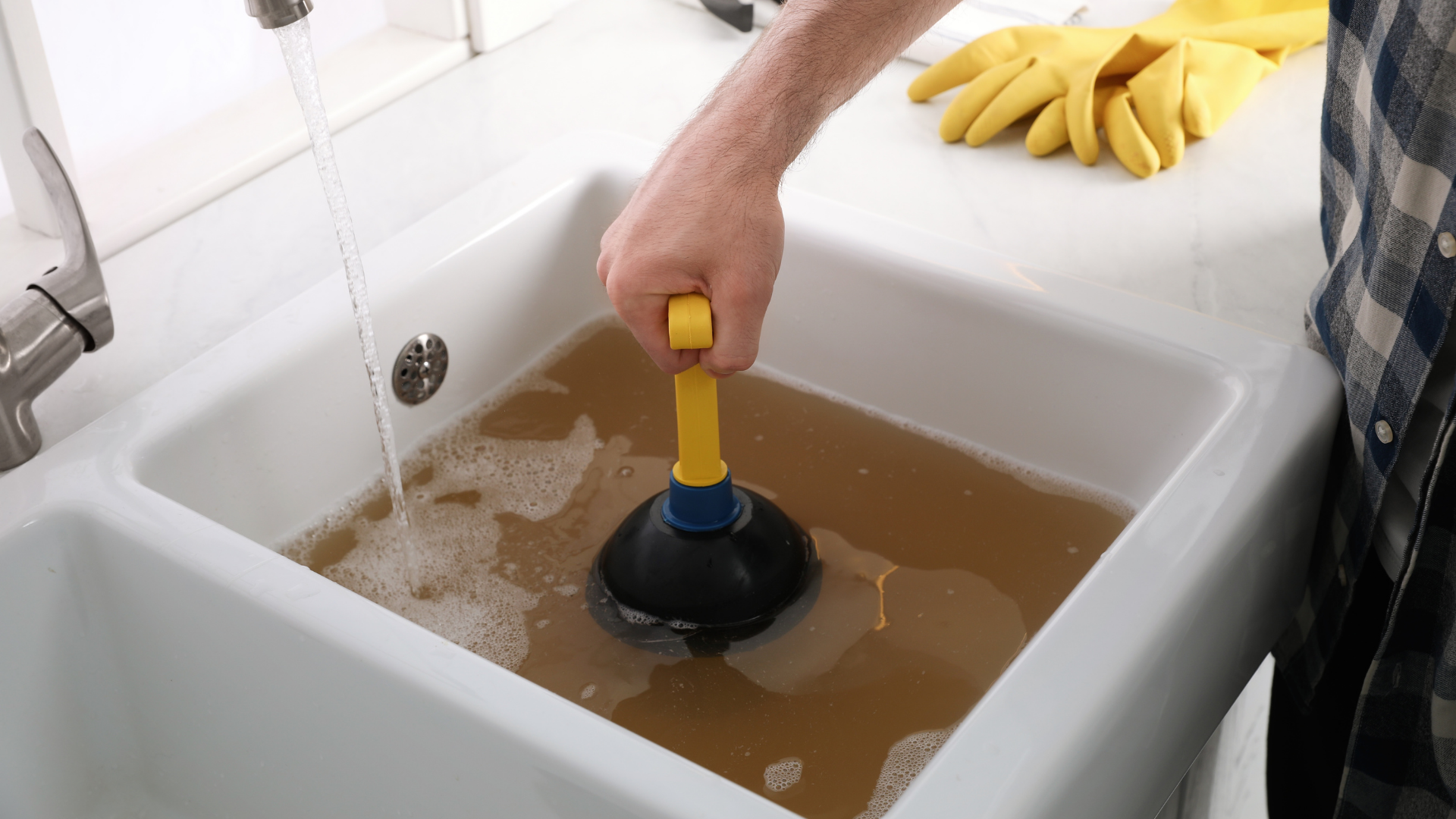
A person using a plunger to clear a clogged kitchen sink filled with murky brown water.
August 31, 2026
Compare professional drain cleaning vs DIY cleaners in Gainesville FL, including safety risks, hydro jetting, September checks, costs, and when to call.
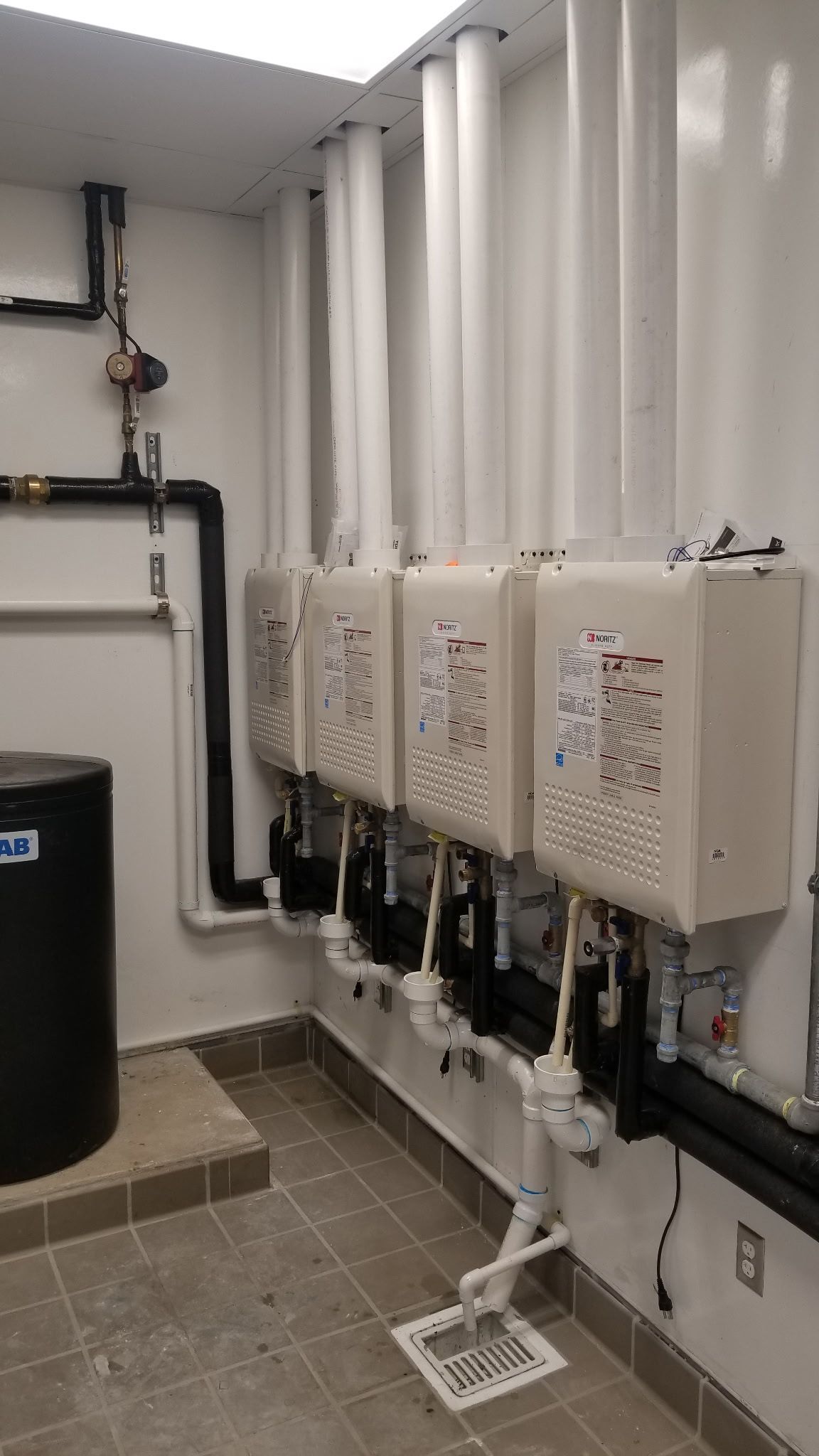
Row of wall-mounted white utility boxes with pipes in a small mechanical room.
August 24, 2026
Learn 4 water heater warning signs Gainesville homeowners should address before the tank fails, leaks, or leaves the home without reliable hot water.
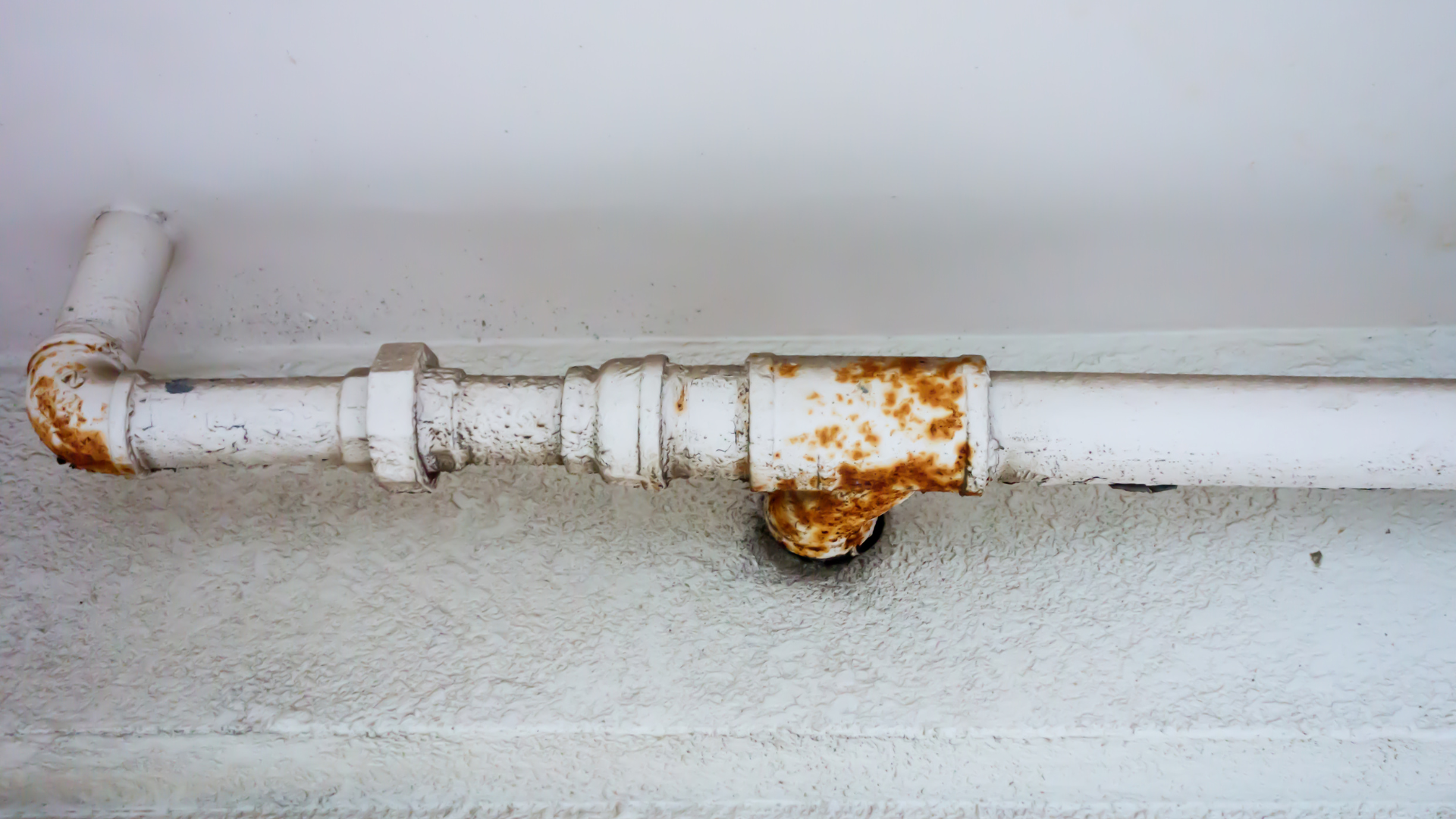
Rusty white metal pipe along a wall with a corroded central joint and elbow bend
August 17, 2026
Original galvanized pipes can hide corrosion, pressure loss, and leak risk. Learn when Gainesville homes need a professional repiping assessment.
Show More

Experience Expert Plumbing Services You Can Trust

When you need reliable plumbing solutions in Gainesville, Scarborough Plumbing is here to help. Our experienced team is ready to tackle any plumbing challenge, from routine maintenance to complex installations and everything in between. We pride ourselves on delivering honest, professional service with transparent pricing and quality workmanship that lasts. Don't let plumbing issues disrupt your day. Contact Scarborough Plumbing now and discover why Gainesville residents and businesses have trusted us since 2010 for all their plumbing needs.