Filled-in black heart shape.

7 Thanksgiving Plumbing Mistakes That Can Lead to Holiday Drain Backups

November 2, 2026

Share this article

The Warning Signs Are Usually More Than Just Leaks

Where Can Plumber’s Putty Be Used Correctly?

Thanksgiving plumbing problems often begin before the turkey reaches the table. A sink that already drains slowly, a disposal packed with preparation scraps, or cooking grease poured down the drain can make holiday cleanup difficult. Extra guests may reveal an existing restriction rather than create a brand-new plumbing defect. Preparing now gives you time to change a few habits and investigate warning signs before a busy kitchen needs reliable drainage.


At Scarborough Plumbing, we help Gainesville homeowners resolve kitchen clogs and other residential plumbing problems. The goal is to keep food waste out of the wrong places and recognize when a drain needs attention. Whether you are hosting in Newberry, Alachua, or High Springs, these seven mistakes offer a practical place to start. You do not need to replace working equipment or book unnecessary cleaning just because a holiday is approaching.

Pouring Turkey Grease and Gravy Down the Sink

Turkey drippings, butter, cooking oil, and rich sauces should stay out of your kitchen drain. Grease buildup in kitchen drains can collect other debris and narrow the available passage. Hot water or dish soap does not make that grease disappear from the wastewater system. Gainesville Regional Utilities explains why fats, oils, and grease belong outside drains, including why relying on hot water or a disposal is ineffective.


Set up a grease container before cooking so everyone helping in the kitchen knows where cooled drippings belong. Let grease cool safely, collect it in an appropriate container, and dispose of it according to local guidance. Scrape plates and wipe cooled greasy residue into the trash before washing dishes. The UF/IFAS Thanksgiving FOG guidance reinforces these simple habits, which are more useful than trying to flush a greasy meal through the sink afterward.

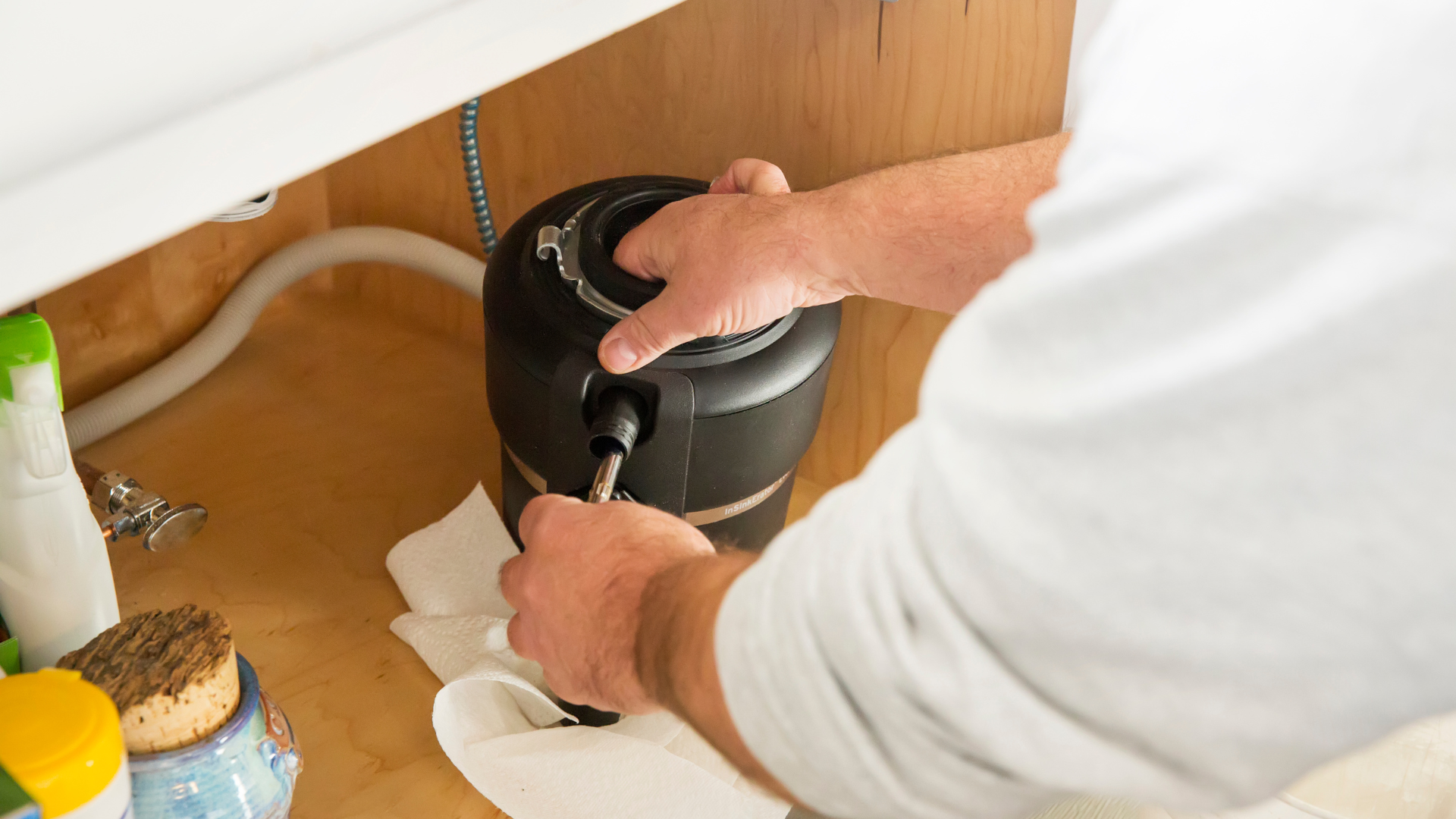
Treating the Garbage Disposal Like a Food-Waste Bin

A disposal grinds food, but the drain still has to carry away what you send through it. Dumping a bowl of peelings, stuffing, pasta, or vegetable scraps into the opening creates a different demand from ordinary small scraps. Fibrous or starchy foods deserve particular care, and the limits depend on the appliance model. A stronger motor does not repair a restricted kitchen drain.


Use the appliance manual rather than assuming every disposal handles the same foods. InSinkErator's disposal guidance distinguishes appropriate use from practices such as preloading the unit or introducing grease. Scraping large amounts of preparation waste into the trash is a straightforward hosting habit. When a disposal is already humming without turning, stop using it and read our guide to a garbage disposal humming but not spinning before repeatedly testing the switch.

Kitchen cleanup situation Better choice Why it helps
A roasting pan contains cooled grease Collect it separately before washing Keeps concentrated fats out of the drain
A bowl holds vegetable peelings or stuffing Scrape the bulk into the trash Avoids feeding a large load at once
Small scraps remain during routine cleanup Follow the disposal's specific instructions Respects the model's operating limits
The unit hums, stalls, or trips repeatedly Stop using it and arrange troubleshooting Avoids repeatedly operating a malfunctioning unit
The sink fills while the disposal runs Stop adding water and food Grinding does not resolve downstream blockage

Do not put your hand inside the disposal opening. If troubleshooting requires access to the appliance, disconnect its power according to the manufacturer's instructions first. A clogged sink and a jammed disposal can occur together, but they do not necessarily require the same repair.

Ignoring a Slow Kitchen Drain Until Guests Arrive

A sink that empties slowly during normal use deserves attention before a day of cooking and dishwashing. Watch for standing water after rinsing, repeated gurgling, or the same slowdown returning after an earlier clearing. These observations do not identify the exact blockage, but they give us useful information about its location and persistence. Note whether the problem affects only the kitchen or appears in other fixtures as well.


Check normal operation rather than deliberately stress-testing the plumbing with prolonged running water. Look for accessible debris at the strainer, and stop if water begins backing up or leaking below the cabinet. Our residential plumbing services can help determine whether the issue involves the fixture connection, a kitchen branch drain, or a broader restriction. Scheduling that evaluation ahead of hosting gives you more room to review the recommendation and arrange the necessary work.

Flushing Wipes and Other Bathroom Waste

Holiday plumbing tips should cover guest bathrooms as well as the kitchen. A bathroom wastebasket makes it easier for visitors to dispose of wipes, paper towels, hygiene products, and other items appropriately. The EPA recommends flushing only toilet paper, rather than treating the toilet as a disposal route for cleaning wipes. A label describing a product as flushable is not a reason to change that simple household rule.


Give guests a convenient setup without turning the bathroom into a wall of warnings. Keep toilet paper available, put an easy-to-find bin nearby, and tell children where wipes belong. If a toilet already needs repeated plunging or causes water movement in another fixture, investigate before assuming visitors are responsible. Recurring trouble deserves diagnosis, especially when more than one bathroom or drain is involved.

Running the Dishwasher Into a Backed-Up Kitchen Sink

A dishwasher and kitchen sink often share part of the drainage route, so a restriction can show up during a wash cycle. Water appearing in the sink while the dishwasher drains is a clue to investigate, not proof that the dishwasher itself has failed. Continuing another cycle can add water to a system that is already struggling. A leaking connection, disposal connection problem, or downstream restriction may need a different solution.


Before the holiday, pay attention during an ordinary dishwashing cycle and check for visible moisture under the sink afterward. You should not need to dismantle hoses or remove plumbing to make this observation. If the sink backs up, stop the dishwasher using its normal controls and stop adding water to that sink. Avoid touching wet electrical connections, keep the area clear, and contact us when the source is uncertain or water continues escaping.

Relying on Chemical Drain Cleaners as a Last-Minute Fix

A bottle of drain cleaner can seem convenient when you need the kitchen back quickly. However, a product cannot tell you whether the problem is a localized clog, a damaged connection, or a recurring sewer restriction. Repeated treatments can also leave you with standing water containing chemicals when the blockage remains. Poison Control's cleaning guidance warns against mixing cleaning chemicals because dangerous reactions can occur.


What to tell us before drain service

  • Which fixture is affected: Explain whether the issue stays at one sink or involves several drains.
  • What you used: Share the product name, approximate amount, and when it entered the drain.
  • What changed: Mention rising water, leaks, unusual odors, or an appliance cycle that triggered the problem.
  • What happened previously: Tell us whether this is a first-time clog or a recurring restriction.


Do not combine products or add another cleaner because the first one did not work. Avoid actions that could splash chemically treated standing water, and keep children and pets away from it. Our comparison of professional drain cleaning and DIY drain cleaners explains why choosing the method after diagnosis matters. Getting the drain open is useful, but understanding repeated failure is what helps guide the next step.

Continuing Heavy Water Use After Several Drains Start Backing Up

A busy household can expose an existing restriction when several fixtures discharge close together. That does not mean a healthy plumbing system needs an elaborate holiday water schedule. It means that gurgling toilets, rising shower water, or several slow drains should not be dismissed as normal hosting conditions. Multiple affected fixtures can point beyond a single kitchen clog, although inspection is needed to locate the problem.

What you notice Immediate response What the pattern may warrant
One sink drains slowly without overflow Reduce use and arrange evaluation Local fixture or branch-drain diagnosis
Dishwasher discharge raises sink water Stop the cycle and sink use Checking the shared kitchen drainage route
Several fixtures slow down together Stop adding water and call for advice Evaluation of a shared drain restriction
Wastewater rises into a tub or shower Stop household water use and keep people away Prompt professional assessment of a possible sewer backup
A cleared line repeatedly blocks again Document the timing and symptoms Further investigation before repeating the same treatment

If wastewater is backing up, pause showers, laundry, dishwashing, and other water use that can add to the affected system. Keep guests away from contaminated water rather than trying to continue the meal cleanup around it. Do not open a sewer cleanout yourself to release a suspected blockage. If sewage or water is near electrical equipment, keep clear and seek appropriate professional help.


For recurring problems, our guide to drain cleaning versus sewer line repair explains an important distinction. Clearing a blockage and repairing a damaged line are different jobs. A camera inspection or additional work should have a clear reason, rather than being an automatic addition to every holiday clog.

Choosing the Right Help Before Thanksgiving

Start with the symptom and its history instead of selecting equipment or requesting the most aggressive cleaning method. One recent kitchen clog may need a different approach from repeated backups affecting several bathrooms. Tell us what changed, where water appeared, and whether previous work provided lasting relief. Our recommendation should connect those observations to a specific next step.


A practical decision framework

  • Everything drains normally: Keep grease and bulk scraps out of the system and continue normal use.
  • One fixture is consistently slow: Arrange diagnosis before hosting rather than waiting for a complete blockage.
  • The disposal malfunctions but drainage is normal: Investigate the appliance before assuming the sewer needs cleaning.
  • Several fixtures react together: Request evaluation of the shared drainage route and limit use if water is rising.
  • Wastewater is escaping: Stop adding water, isolate the area, and seek prompt assistance.


What to budget for diagnosis and clearing

Our minimum service call is $180 for up to one hour of labor, plus materials. After the first hour, additional labor is billed at $45 per 15-minute increment. We explain the proposed work so you can understand what the service involves before moving forward. Access, parts, blockage location, and the work required can affect the total.


For broader budgeting, HomeGuide's drain-cleaning cost guide lists approximately $100 to $275 for clearing one drain nationally. That general range does not establish the scope of a particular kitchen or sewer problem. Compare the included work rather than assuming every drain-cleaning price buys the same service. A quote for a localized sink restriction should not be treated as a quote for repairing a damaged sewer line.

Pricing item Amount How to interpret it
Our minimum service call $180 Includes up to one hour of labor; materials are additional
Our additional labor $45 per 15 minutes Applies after the first hour
National single-drain cleaning context About $100 to $275 Independent planning range; scope and access vary
Parts, additional diagnosis, or repair work Depends on the proposed scope Review what is included before authorizing work

Ask whether the recommendation addresses the immediate blockage, the reason it returned, or both. If additional investigation is proposed, ask what question it will answer and how the result could change the repair. This keeps the decision grounded in the condition of your plumbing. Preventive attention is worthwhile when there is a real warning sign, not simply because a calendar date is approaching.

Frequently Asked Questions

  • Can hot water keep turkey grease from clogging the drain

    Hot water does not remove grease from the drainage system. Collect cooled grease separately and wipe residue into the trash before washing cookware. Preventing concentrated fats from entering the sink is the better habit.

  • Should I schedule drain cleaning even if everything works normally?

    Not automatically. Normal drainage without recurring symptoms is different from a sink that has been slowing down for weeks. Tell us about any previous backups so we can help determine whether an evaluation makes sense.

  • Can I put potato peels in the garbage disposal?

    Check your specific appliance instructions because disposal capabilities differ. Avoid packing a large quantity of peels or other preparation waste into the unit at once. Scraping bulk food waste into the trash reduces the load during holiday cooking.

  • Why does my sink fill when the dishwasher drains?

    The fixtures may share a drainage route that is restricted, although connections or other faults can also contribute. Stop the cycle if water is backing up and avoid adding more water. Diagnosis should establish the cause before replacing an appliance.

  • What should I do if a shower backs up when a toilet flushes?

    Stop adding water and contact us for guidance because the problem may involve a shared drain. Keep people and pets away from wastewater. Do not keep flushing to see whether the backup will eventually clear itself.

  • Does a recurring holiday clog mean the sewer line needs replacement?

    No single symptom establishes that. A recurring restriction may require further investigation, but cleaning, appliance repair, and sewer repair address different conditions. The recommended work should follow the findings rather than the holiday timing.

Get Your Plumbing Ready Before the Holiday Rush

If a slow sink, recurring clog, or unreliable disposal is already complicating cleanup, we can help you investigate before guests arrive. Our plumbing repair and drain-cleaning services support homeowners in Gainesville, Newberry, Alachua, and High Springs. We explain the observed problem and proposed work so you can make an informed decision. Addressing an existing warning sign now can make holiday preparation easier to manage.


Use our contact form or call 352-472-7385 to discuss the symptoms and request service availability. Tell us whether the problem affects one fixture, follows dishwasher use, or involves several drains. Mention any chemicals already used and any previous clearing attempts. We will help you identify the appropriate next step for your home.


Explore Our Residential Plumbing Services

Learn More About Scarborough Plumbing

Related Blog: Garbage Disposal Humming but Not Spinning

Related Blog: Drain Cleaning vs Sewer Line Repair

Contact Us to Request Plumbing Service

Recent Posts

Close-up of a damaged copper pipe joint leaking onto dirt and gravel
October 26, 2026
Learn why your water bill increased, how Gainesville rate changes differ from excess usage, and when a meter test or hidden leak needs professional help.
Hands holding a chrome faucet spout over a sink, with tools nearby.
October 19, 2026
Compare faucet repair and replacement, learn which worn parts can be fixed, understand costs, and choose the right solution for your Gainesville home.
Open paint can with white paint and brush on a splattered drop cloth
October 12, 2026
Learn when plumber’s putty can seal a fixture, why it cannot repair pressurized pipes, and what Gainesville homeowners should do during a leak at home.
Open trench with exposed pipe and muddy dirt at a construction site
October 5, 2026
Learn seven signs of tree roots in a sewer line, what wet-weather symptoms mean, and when Gainesville homes need cleaning, inspection, or repair next.
Person using a hand blender to mix food in a black pot on a kitchen counter
September 28, 2026
Learn why a garbage disposal hums but will not spin, safe checks to try, and when Gainesville homeowners should choose professional repair or replacement.

Worker in a yellow hard hat leaning into a circular manhole at a construction site
September 21, 2026
Compare drain cleaning vs sewer line repair for Gainesville homes. Learn backup signs, camera inspection roles, wet-season costs, and the right next step.
Worker in orange vest standing in a narrow trench with pipes, next to a pink plywood wall and doorway.
September 14, 2026
Use this hurricane plumbing checklist to prepare your Gainesville home before a storm, from shutoff valves and drains to water heaters and septic systems.
Hand reaching for a toilet flush handle beside a white toilet seat
September 7, 2026
Learn why toilets gurgle after heavy rain in Gainesville, what sewer or septic problems cause it, what to check, and when professional help is needed.
A person using a plunger to clear a clogged kitchen sink filled with murky brown water.
August 31, 2026
Compare professional drain cleaning vs DIY cleaners in Gainesville FL, including safety risks, hydro jetting, September checks, costs, and when to call.
Row of wall-mounted white utility boxes with pipes in a small mechanical room.
August 24, 2026
Learn 4 water heater warning signs Gainesville homeowners should address before the tank fails, leaks, or leaves the home without reliable hot water.
Show More

Experience Expert Plumbing Services You Can Trust

When you need reliable plumbing solutions in Gainesville, Scarborough Plumbing is here to help. Our experienced team is ready to tackle any plumbing challenge, from routine maintenance to complex installations and everything in between. We pride ourselves on delivering honest, professional service with transparent pricing and quality workmanship that lasts. Don't let plumbing issues disrupt your day. Contact Scarborough Plumbing now and discover why Gainesville residents and businesses have trusted us since 2010 for all their plumbing needs.