Why Gainesville Homeowners Deal With Low Water Pressure — And How to Fix It
Low water pressure in a Gainesville home is one of those problems that starts as a minor annoyance and gradually becomes impossible to ignore — the shower that takes twice as long, the kitchen faucet that barely fills a pot, the whole-house pressure that used to be fine and now clearly isn't. In most cases, it's not random. Low water pressure in Gainesville has predictable causes tied to the city's specific water chemistry, the age of housing stock in established neighborhoods, and the geological conditions that make Florida plumbing behave differently than most other states. Scarborough Plumbing diagnoses and fixes water pressure problems throughout Gainesville and surrounding areas. This guide walks you through exactly what's causing the problem and what actually fixes it.
Why Low Water Pressure Is So Common in Gainesville Homes
Gainesville's specific combination of factors makes low water pressure more prevalent here than in most Florida markets:
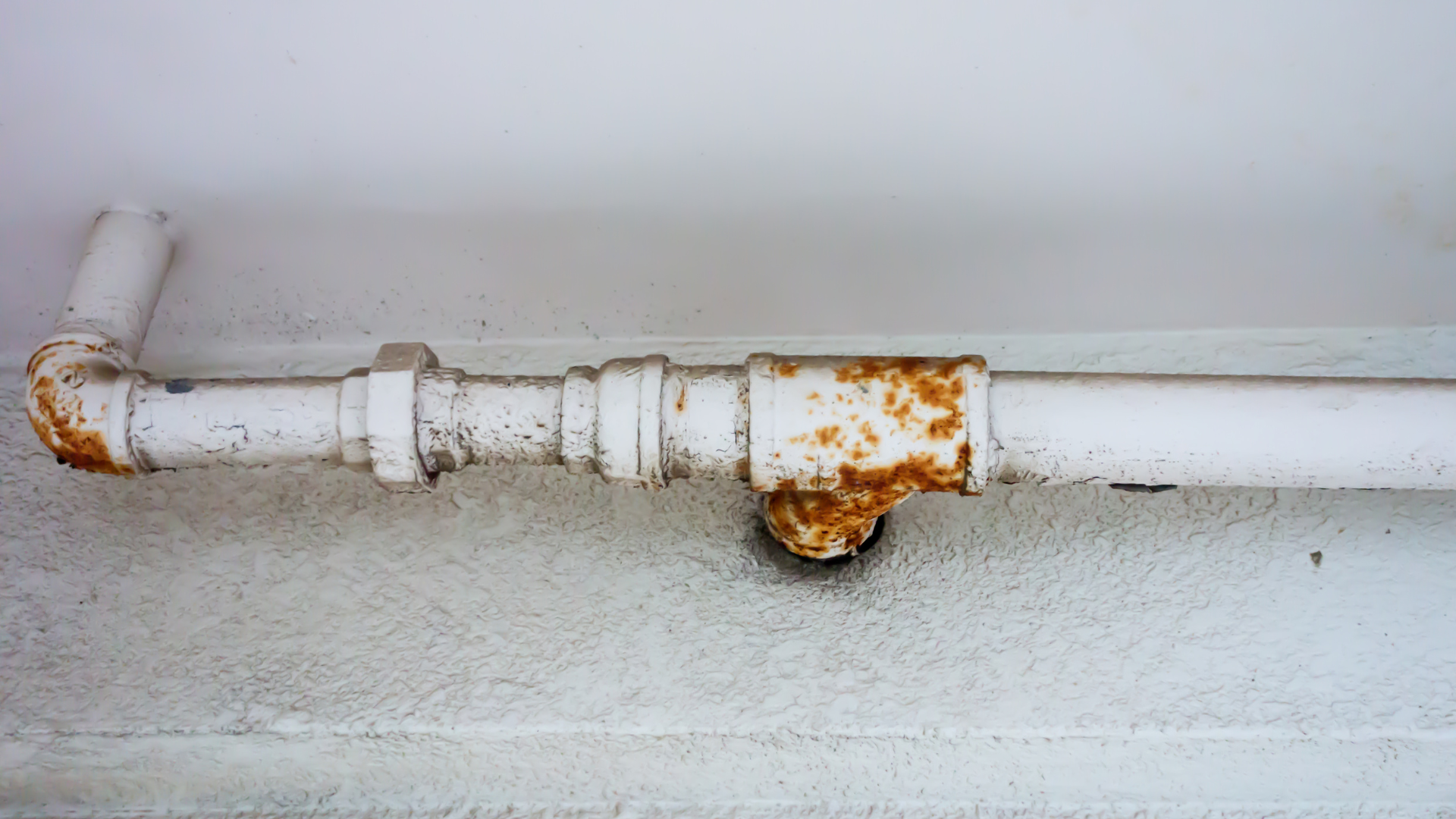
Aging galvanized and cast iron infrastructure Many of Gainesville's established neighborhoods — particularly those built before 1970 — still have original galvanized steel or cast iron supply lines. These materials corrode from the inside out over decades, creating internal rust buildup that progressively narrows pipe diameter and restricts flow. A galvanized pipe that was installed at full diameter 50 years ago may be functioning at a fraction of its original capacity today — and the exterior gives no indication of what's happening inside.
Hard water mineral scaling Gainesville's water comes from the Floridan Aquifer — one of the hardest natural water sources in Florida. High calcium and magnesium content deposits scale on interior pipe walls with every gallon that flows through them. Over years, this scale narrows the effective pipe diameter in a slow, invisible process that produces exactly the gradual pressure decline most homeowners attribute to "just getting older."
Slab construction and hidden leaks The vast majority of Gainesville homes are built on concrete slabs with supply plumbing running beneath the foundation. When pipes beneath the slab develop leaks — from acidic soil corrosion, shifting during wet-dry soil cycles, or simple aging — water diverts into the sandy soil beneath the foundation rather than reaching fixtures. The pressure loss is real but the source is completely invisible from inside the home.
Pressure regulator failure Most Gainesville homes have a pressure reducing valve (PRV) installed where the municipal supply enters the home. These mechanical devices have a typical lifespan of 10 to 15 years — and when they fail, they almost always fail closed, creating a sudden and significant whole-house pressure drop that homeowners frequently misattribute to a municipal supply issue.
Florida's humid environment High humidity accelerates external corrosion on exposed pipe fittings, supply connections, and shut-off valves throughout the home — particularly in crawlspaces and utility areas where moisture accumulates.
The 6 Most Common Causes of Low Water Pressure in Gainesville
Understanding which cause is driving your specific pressure problem determines the correct fix:
1. Mineral scale buildup — the most common cause of gradual pressure loss Hard water minerals crystallize on interior pipe walls and fixture aerators in a progressive process that produces the classic "it's been getting worse for years" pressure decline. A 1/8-inch layer of calcium scale inside a standard supply pipe reduces flow capacity by 25 to 30%. The scale is hardest on hot water lines and water heaters — mineral deposits precipitate faster in heat, which is why low hot water pressure often precedes whole-house issues.
2. Corroded galvanized pipes Pre-1970s Gainesville homes with original galvanized steel supply lines have pipes that have been rusting from the inside out for 50+ years. The internal rust creates a rough surface that catches debris and progressively narrows the interior diameter. Unlike scale, rust buildup cannot be cleaned or treated — corroded galvanized pipe requires replacement.
3. Partially closed shut-off valves The simplest and most frequently overlooked cause. The main shut-off valve at the water meter, the isolation valve at the water heater, and the individual fixture shut-offs beneath sinks are all capable of creating significant pressure restriction if they're not fully open. A valve that was partially closed during a previous repair or maintenance visit and never fully reopened becomes a permanent bottleneck for everything downstream of it.
4. Pressure reducing valve failure The PRV — a bell-shaped brass valve typically located near where the main supply enters the home — regulates incoming municipal pressure to a safe range for residential plumbing. Most PRVs have a service life of 10 to 15 years. When they fail, the most common failure mode is failing closed — suddenly restricting whole-house pressure to a fraction of normal. If your pressure dropped suddenly rather than gradually, a failed PRV is one of the first things Scarborough Plumbing checks.
5. Municipal supply issues Occasionally the problem originates outside your property. Water main breaks, maintenance work by Gainesville Regional Utilities, or unusually high demand in a specific neighborhood can cause temporary pressure drops. If your neighbors are experiencing the same issue simultaneously — this is the most likely explanation. GRU's website and local outage notifications confirm active supply issues.
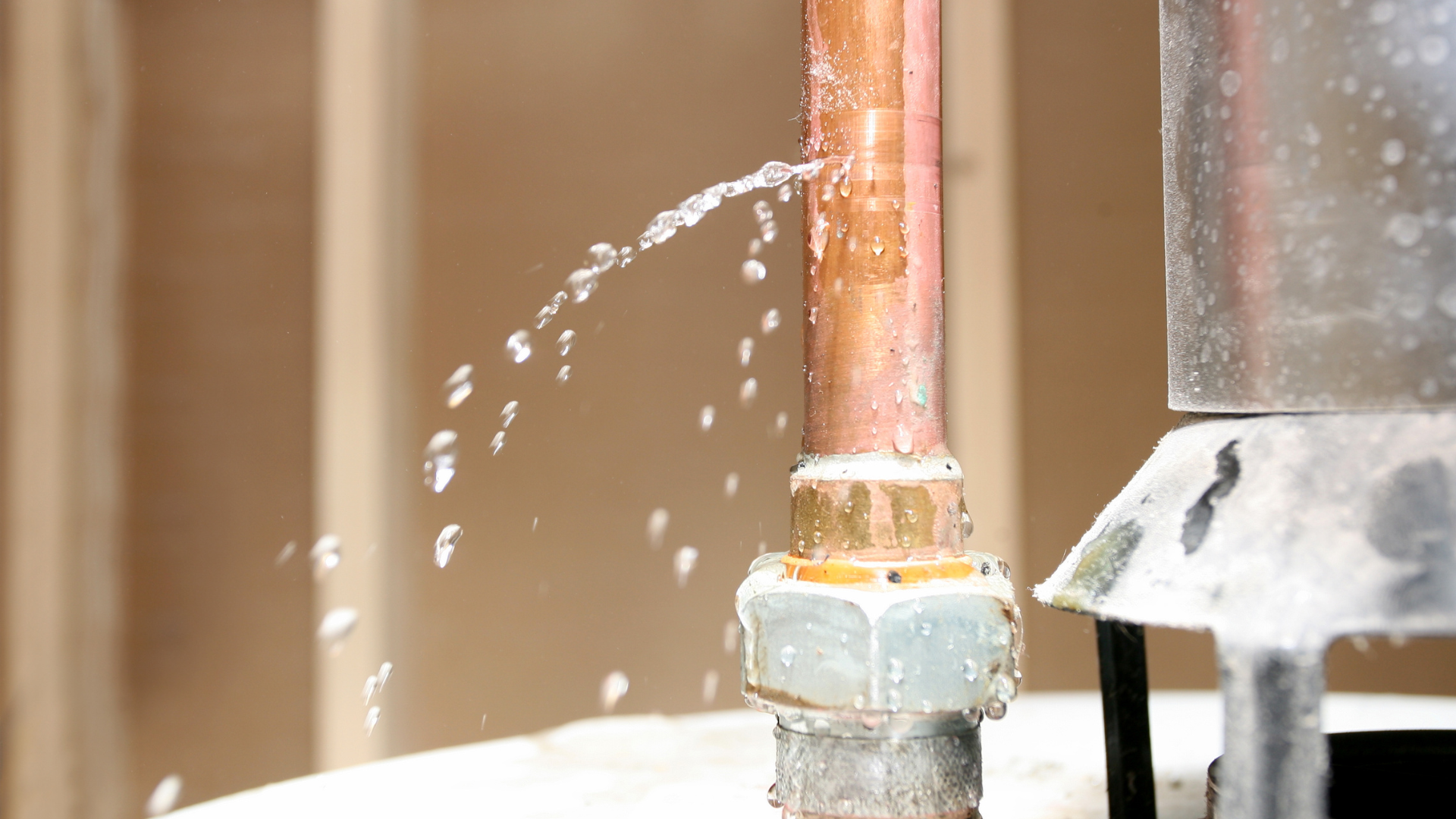
6. Slab leak pressure loss A pipe break beneath the concrete slab diverts water directly into the sandy soil rather than delivering it to fixtures. The pressure loss may be gradual if it's a slow leak or sudden if a pipe has failed. The tell-tale signs: the water meter dial moving when all fixtures are off, unexpectedly warm spots on tile floors, or water staining on walls or flooring without an obvious surface source.
How Hard Water Makes Low Pressure Worse Over Time
This is the Gainesville-specific factor that separates this market from most other Florida cities — and the one that makes low pressure problems here more progressive and more predictable than in softer water regions:
Gainesville's limestone aquifer water delivers calcium and magnesium into every supply line, fixture, and appliance in the home with every gallon that flows through it. At room temperature this process is gradual. In hot water lines — where minerals precipitate faster under heat — scale accumulation is significantly more aggressive.
The progressive narrowing process: Scale doesn't build up all at once. It accumulates layer by layer — each thin deposit slightly reducing the interior diameter, slightly roughing the surface to catch more mineral particles. A pipe that's been accumulating scale for 10 years may be restricting flow at levels a homeowner notices as low pressure without any single dramatic event having caused it.
What scale does to specific fixtures:
- Showerheads — individual spray nozzles clog with mineral deposits, creating uneven spray patterns and reduced flow long before the supply pressure itself is compromised
- Faucet aerators — the small screens at faucet tips collect mineral debris progressively, creating the "this faucet has always been weak" perception that's actually scale accumulation
- Water heaters — sediment and scale at the bottom of tank heaters acts as an insulating layer, reducing heating efficiency and creating the popping or rumbling sounds that indicate significant buildup
- Supply lines to appliances — dishwashers and washing machines fed by scaled supply lines experience reduced performance and accelerated component wear
The connection to pipe replacement decisions: When scale has been accumulating in galvanized or copper pipe for years, the scale itself is partially holding the pipe together — removing it through aggressive descaling can expose the compromised pipe wall beneath. This is part of why Scarborough Plumbing evaluates pipe condition alongside scale severity before recommending treatment vs. replacement. For a complete guide to when pipe replacement is the right call in Gainesville,
read our pipe replacement vs. repiping guide →
How to Diagnose Where Your Pressure Problem Is Coming From
Before calling Scarborough Plumbing, these four diagnostic steps help narrow down the cause — and help our plumbers arrive with the right equipment:
Step 1 — Single fixture or whole house? Turn on every faucet in the home one at a time and assess the pressure at each location:
- One fixture only — the problem is localized to that fixture's supply line, aerator, or individual shut-off valve
- Multiple fixtures on one floor or in one area — suggests a branch line issue or zone shut-off valve problem
- Every fixture throughout the home — the problem is upstream of everything: main shut-off, PRV, main supply line, or municipal
Step 2 — Hot water only or both temperatures?
- Hot water pressure significantly lower than cold — the problem is in the water heater or the hot water supply lines specifically. Sediment at the bottom of the tank or scale in hot water lines is the most common cause
- Both hot and cold equally reduced — the problem is in the main supply, not specific to the water heater
Step 3 — Sudden drop or gradual decline?
- Sudden pressure drop — possible PRV failure, active slab leak, partially closed valve, or municipal supply issue. Check your water meter: if the indicator is moving with all fixtures closed, you have an active leak somewhere in the system
- Gradual decline over months or years — classic mineral scale or pipe corrosion pattern. The pipes are narrowing progressively
Step 4 — Neighbor check If whole-house pressure is low and you suspect a municipal issue — ask a neighbor whether they're experiencing the same problem. If they are, check GRU's outage notifications before calling a plumber. If your neighbor's pressure is fine and yours isn't, the problem is within your property.
DIY Fixes vs. When You Need a Plumber
Some low water pressure causes are genuinely DIY-fixable. Others require professional equipment or pipe work that exceeds what a homeowner should attempt:
Try these yourself first:
Clean fixture aerators Unscrew the tip from the affected faucet — it threads off by hand or with a wrench. The aerator screen inside is often packed with white mineral deposits. Soak in white vinegar for an hour, scrub with an old toothbrush, reinstall. This restores full flow at individual fixtures without any plumbing work.
Descale the showerhead Fill a plastic bag with white vinegar, secure it around the showerhead with a rubber band so the nozzle is submerged, and leave overnight. Morning flow improvement confirms mineral buildup was the cause. For severe cases, remove the showerhead entirely and soak fully submerged.
Check all shut-off valves Confirm the main shut-off at the meter is fully open (turned fully counter-clockwise). Check the valve at the water heater. Check the individual shut-offs under every sink. A valve that's 80% open rather than fully open creates measurable restriction.
Flush the water heater If only hot water pressure is affected, sediment at the bottom of the tank may be the cause. Turn off the heater, connect a hose to the drain valve, and flush until water runs clear. This is annual maintenance that most homeowners skip — and that Gainesville's hard water makes genuinely necessary.
Call Scarborough Plumbing for these:
| Situation | Why It Requires a Professional |
|---|---|
| PRV replacement | Requires cutting supply pipe and soldering — incorrect installation can leave the home without pressure regulation |
| Slab leak detection and repair | Specialized acoustic detection equipment locates the break before any concrete is touched |
| Galvanized pipe replacement | Full repiping — not a DIY project regardless of experience level |
| Whole-house descaling or hydro jetting | Professional equipment and assessment required |
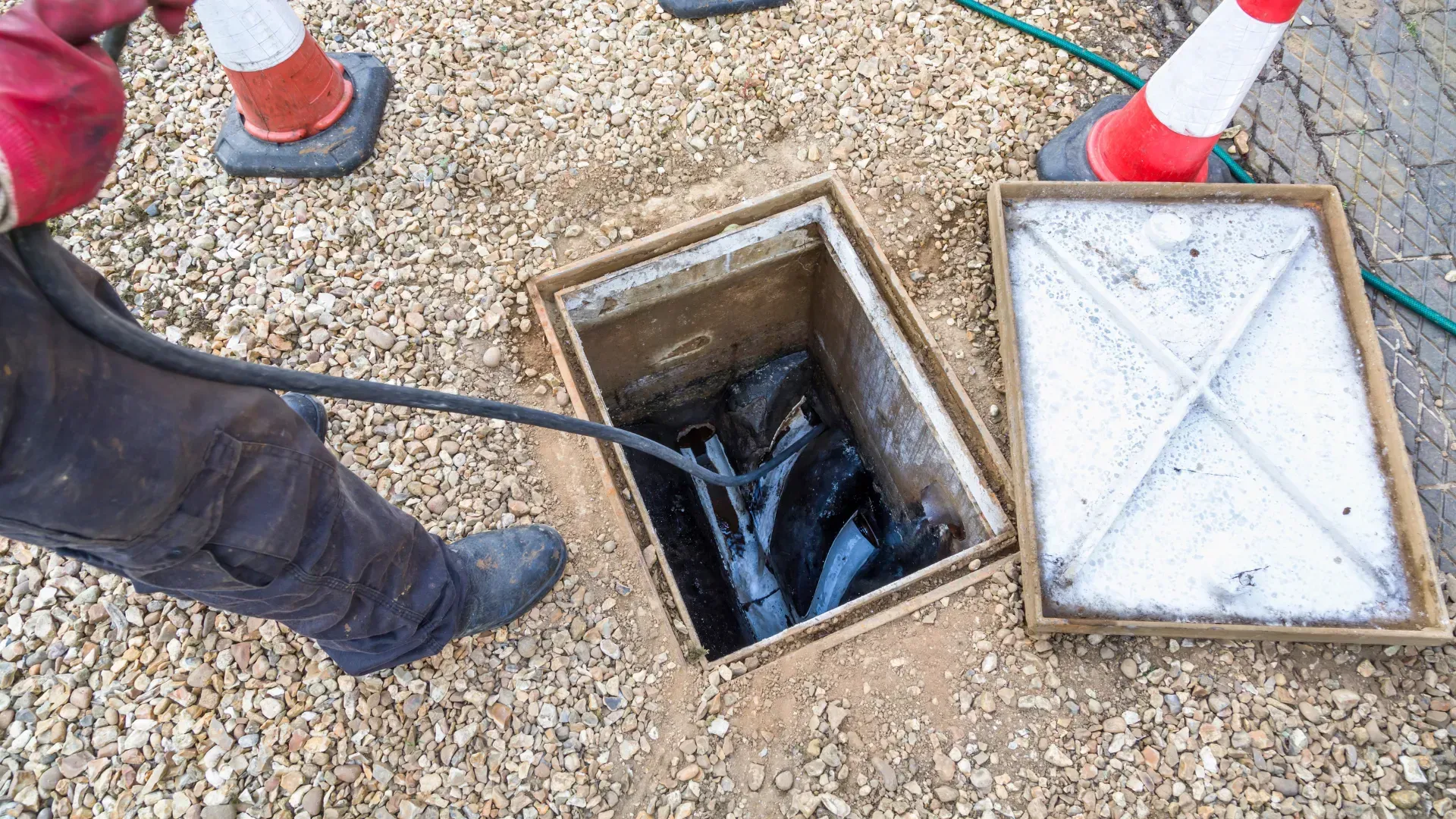
| Main line blockage or root intrusion | Camera inspection confirms the problem; mechanical clearing or pipe repair follows |
What Scarborough Plumbing Does to Restore Full Water Pressure
Low water pressure in a Gainesville home almost always has a diagnosable, fixable cause — and the right fix depends entirely on identifying the actual cause rather than guessing and replacing components unnecessarily.
Here's how Scarborough Plumbing approaches low pressure service calls in Gainesville:
Step 1 — Systematic diagnosis before any recommendation We work through the diagnostic framework — whole house vs. localized, hot vs. cold, sudden vs. gradual, meter check — before recommending anything. We check the PRV, the main shut-off, the water heater isolation valve, and assess fixture aerators as the first pass. Simple causes get simple fixes.
Step 2 — Pipe condition assessment when scale or corrosion is suspected For homes with aging pipe materials or gradual pressure decline — Scarborough evaluates the pipe condition using visual inspection at accessible points and pressure testing. This determines whether descaling or hydro jetting is appropriate, or whether the pipe material has degraded to the point where replacement is the more reliable long-term solution.
Step 3 — Slab leak detection when indicated If the water meter is moving with all fixtures closed, or if pressure loss has been accompanied by warm floors or unexplained moisture — we use acoustic detection equipment to locate the leak position precisely before any concrete work begins.
Step 4 — Targeted repair or repiping based on findings
- PRV replacement when valve failure is confirmed
- Targeted pipe repair or repiping when galvanized or deteriorated copper is the cause
- Slab leak repair using trenchless methods where applicable
- Water softener assessment when hard water scale is the underlying driver — addressing the source rather than just the symptom
For more on how Gainesville's hard water affects the full plumbing system beyond pressure,
read our hard water guide for Gainesville homeowners →. For complete information on what repiping involves when pipe replacement is the answer,
read our whole house repiping process guide →.
Recent Posts
Experience Expert Plumbing Services You Can Trust
When you need reliable plumbing solutions in Gainesville, Scarborough Plumbing is here to help. Our experienced team is ready to tackle any plumbing challenge, from routine maintenance to complex installations and everything in between. We pride ourselves on delivering honest, professional service with transparent pricing and quality workmanship that lasts. Don't let plumbing issues disrupt your day. Contact Scarborough Plumbing now and discover why Gainesville residents and businesses have trusted us since 2010 for all their plumbing needs.