Water Heater Repair vs. Replacement in Gainesville FL: How to Decide
Your water heater is underperforming — or it just failed completely — and now you're facing one of the most common and most financially consequential plumbing decisions a Gainesville homeowner can make. Do you repair it and hope it holds, or replace it and take the bigger hit upfront? The answer isn't the same for everyone, and in Gainesville it's made more complicated by Florida's hard water, high humidity, and the accelerated wear those conditions put on water heater systems. Scarborough Plumbing has helped Gainesville homeowners navigate this exact decision — and this guide gives you the framework to make the right call for your home, your budget, and your situation.
How Long Should a Water Heater Last in Gainesville FL?
National averages for water heater lifespan give a misleading picture for Florida homeowners. Here's the reality in Gainesville:The three Gainesville-specific factors that shorten water heater life:
| Type | National Average | Gainesville Reality | Why It's Shorter |
|---|---|---|---|
| Traditional tank | 10–15 years | 8–12 years | Hard water mineral buildup forces the unit to work harder — accelerating sediment accumulation and internal corrosion |
| Tankless | Tankless | 15–20 years | Hard water scaling in heat exchangers requires more frequent maintenance to achieve full lifespan |
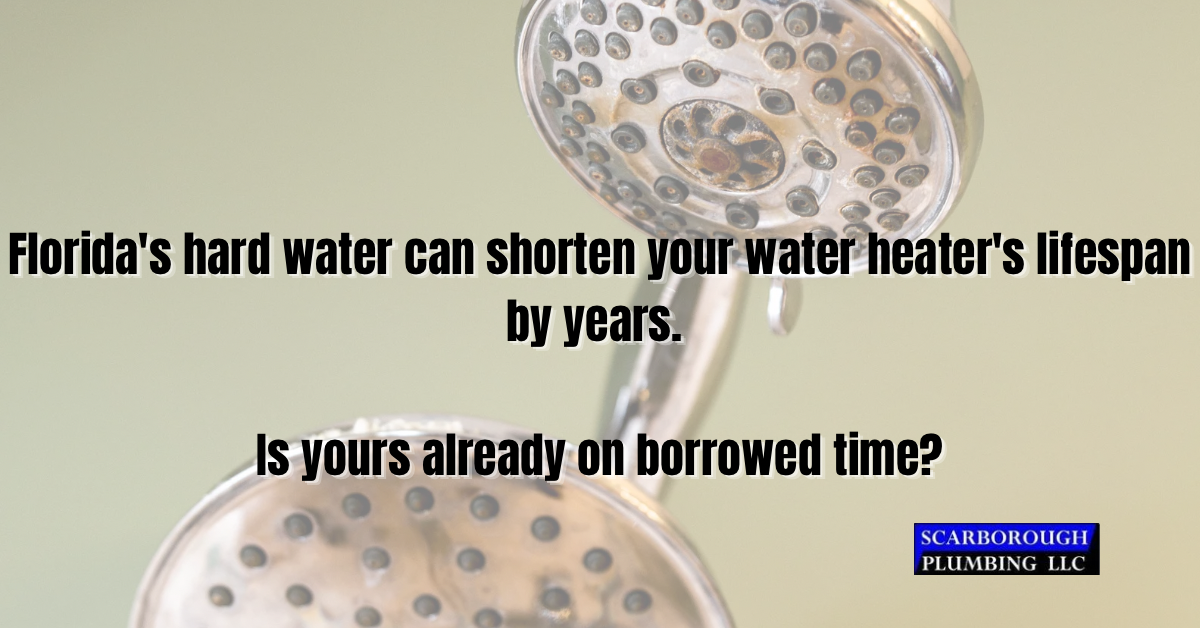
Hard water sediment — Gainesville's groundwater is high in calcium and magnesium. These minerals separate when heated and settle at the bottom of the tank as sediment — forcing the unit to work harder and longer to reach temperature. Without annual flushing this buildup accelerates dramatically.
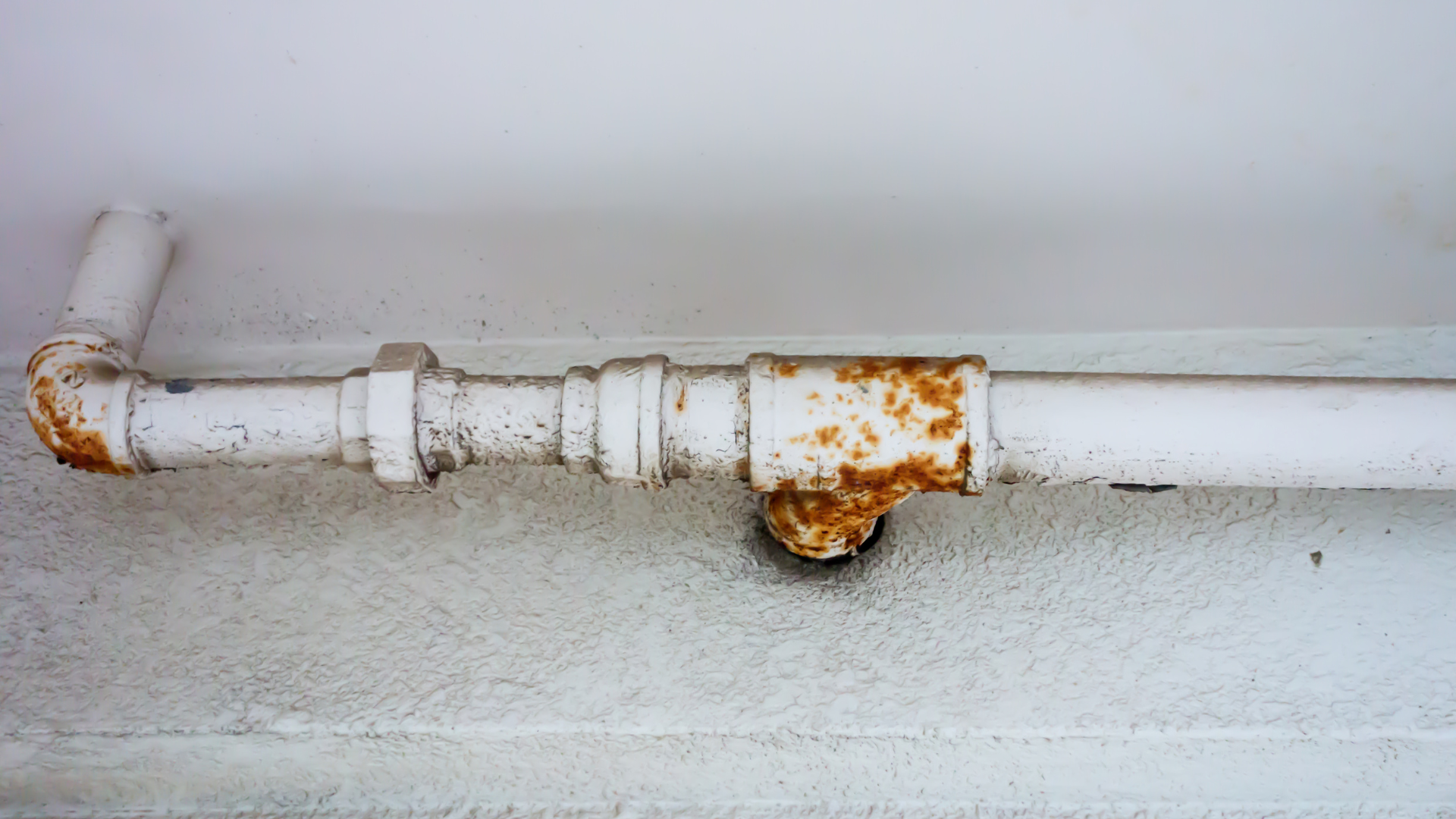
Humidity and corrosion — Florida's ambient humidity accelerates rust on exterior components and electrical elements faster than in drier climates. Internal corrosion follows, particularly in tanks that aren't maintained.
Maintenance gaps — Most Gainesville water heaters need flushing every 6 to 12 months rather than the every few years that's standard in soft water regions. Homeowners who follow national maintenance schedules are under-servicing their units.
If your unit is over 10 years old and showing any of the signs below — the repair vs. replace math has almost certainly shifted toward replacement.
Signs Your Gainesville Water Heater Needs Repair
Catching these signs early gives you options — and typically means a repair is still the right financial call:
Pilot light issues (gas models):
- Pilot won't stay lit — often indicates a faulty thermocouple, the safety sensor that controls gas flow
- Clogged pilot tube or dirty intake screen starving the flame of oxygen
- Pilot is lit but main burner won't ignite — may indicate a gas control valve issue
Inconsistent water temperatures:
- Water swinging between hot and cold — typically a failing thermostat or broken dip tube
- Running out of hot water mid-shower — a burnt-out heating element in electric models, or sediment buildup reducing effective tank capacity
Strange noises:
- Popping or banging — water trapped beneath hardened sediment at the tank bottom, boiling and bursting through
- Constant rumbling — unit struggling to heat through heavy scale buildup — extremely common in Gainesville's hard water areas
Minor leaks and moisture:
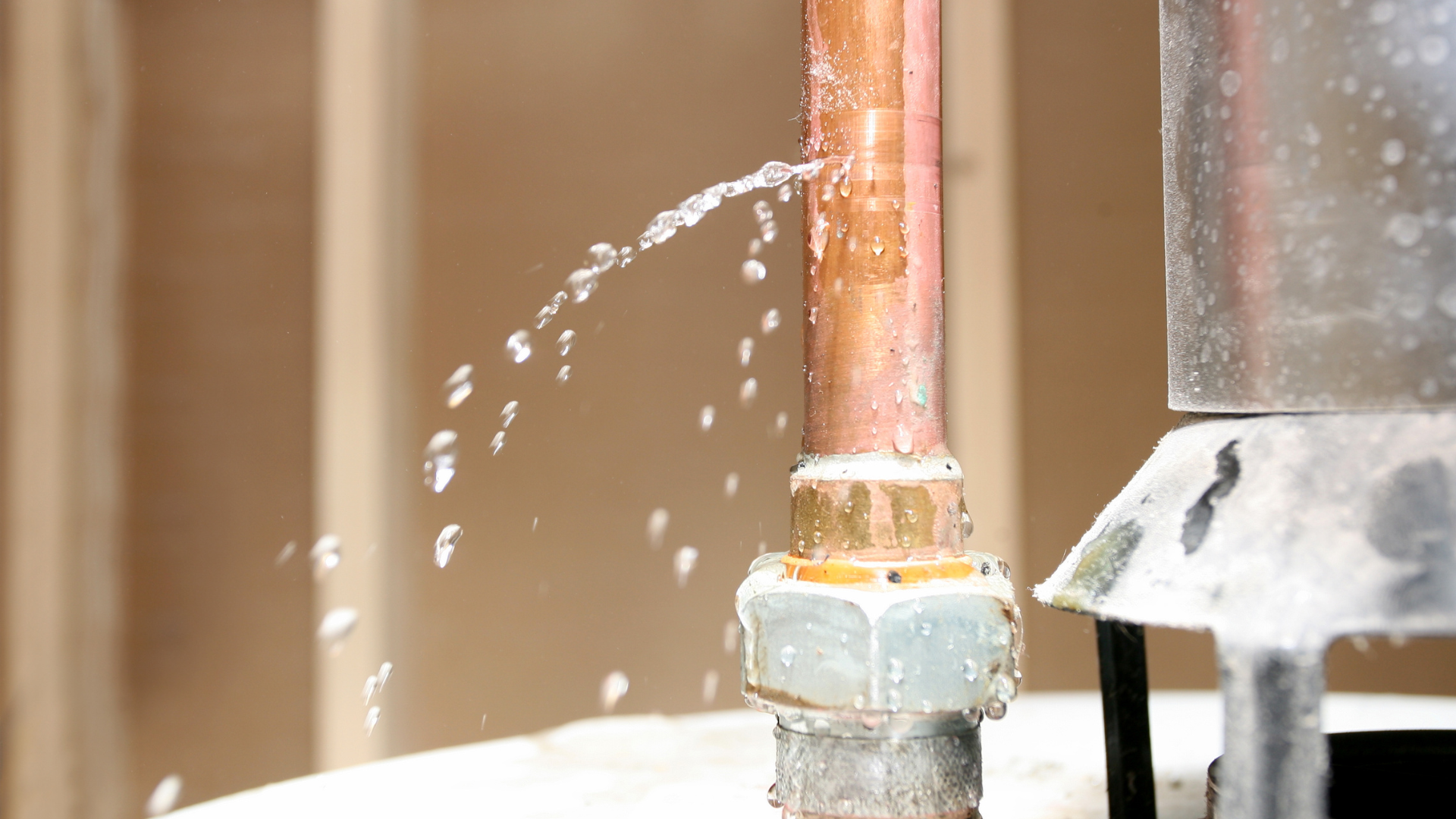
- Small puddles at the base — may indicate a failing T&P relief valve or loose connections — often repairable
- Rust-colored water or chalky white mineral buildup around fittings — visible rust on the tank itself often indicates internal corrosion that has progressed beyond repair
Signs It's Time to Replace Your Water Heater — Not Just Repair It
These signs indicate the unit has passed the point where repair makes financial sense:
| Replacement Sign | What It Means |
|---|---|
| What It Means | Approaching or past typical Gainesville lifespan — repairs now are patching a system heading toward failure regardless |
| Active tank leak | Active tank leak |
| Rust-colored water | Internal corrosion — the tank is corroding from the inside out. Not repairable — replace immediately |
| Loud rumbling or popping | Loud rumbling or popping |
| Frequent repairs | Multiple service calls in a short period means the underlying system is failing — cumulative repair costs are exceeding replacement value |
| Insufficient hot water | Heating elements failing or too coated in sediment to function — the unit can no longer meet basic demand |
Act immediately if: You see active water pooling around the base of the tank. The inner tank has likely failed — this is a water damage risk that requires immediate replacement, not a repair call.
The 50% Rule — The Simplest Way to Make the Call
When repair costs are in a gray zone, this rule cuts through the uncertainty:
If the cost of a repair exceeds 50% of what a comparable new unit costs — replace it.
Here's how it plays out in real Gainesville scenarios:
| Scenario | Repair Cost | Repair CostReplacement Cost | Replacement Cost |
|---|---|---|---|
| 8-year-old tank needs thermostat | $200 | $1,200 | ✅ Repair — unit has life remaining and cost is well under 50% |
| 11-year-old tank needs heating element | $300 | $1,200 | ⚠️ Consider replacing — unit is near end of Gainesville lifespan |
| 12-year-old tank is actively leaking | $800 | $1,200 | ✅ Replace — repair exceeds 50% and unit is past useful life |
| 6-year-old tank needs pilot light fix | $150 | $1,200 | ✅ Repair — well under 50% threshold, unit should have years remaining |
Two additional factors that shift the calculation:
- Age always matters alongside cost — a repair that falls under 50% on a 12-year-old Gainesville unit may still not be worth it if the unit is likely to need another repair within 12 months
- Energy efficiency — an older, failing unit is also an inefficient one. The ongoing utility cost of keeping it running is a real financial factor that the repair quote alone doesn't capture
How Florida's Hard Water Affects Your Water Heater Lifespan
This is the factor most Gainesville homeowners underestimate — and the reason water heaters in this area fail faster than the national averages on the sticker suggest.
What hard water does to your water heater:
| Impact | What's Happening Inside |
|---|---|
| Sediment buildup | Minerals separate when heated and settle at the tank bottom — insulating the heating element and forcing the unit to run longer and hotter |
| Heating element failure | In electric heaters, sediment builds up around the lower element, causing it to overheat and burn out prematurely |
| Corrosion and leaks | Hard water slowly eats the protective lining of the tank, leading to rust, weakened metal, and eventually active leaks |
| Efficiency loss | The insulation effect of sediment buildup means the unit runs longer to reach temperature — directly increasing your energy bill |
| Noise | Popping and rumbling sounds are almost always hard water sediment — water trapped beneath the crust boiling and bursting through |
Gainesville-specific reality: Local water mineral content means sediment accumulates faster here than in soft water regions. A water heater in Gainesville may need flushing every 6 to 12 months — not every few years. Homeowners who ignore this maintenance schedule are effectively shortening their unit's lifespan by years.
Protective measures that extend lifespan in Gainesville:
- Water softener installation — removes minerals before they enter the heater. The most effective long-term protection for both tank and tankless systems
- Annual tank flushing — removes accumulated sediment before it hardens and causes damage
- Anode rod inspection — the sacrificial rod that prevents internal tank corrosion should be inspected every 1 to 2 years and replaced as needed
For more on how Gainesville's hard water affects your entire plumbing system — not just your water heater — read our
hard water guide for Gainesville FL homeowners →
Tank vs. Tankless Replacement in Gainesville FL — What to Consider
Once you've decided to replace, the next question is which type. Here's how the choice looks specifically for Gainesville:
Tankless advantages in Florida's climate:
- Florida's warmer groundwater (72–77°F) means tankless units work more efficiently here than in cold-climate states — less energy required to reach target temperature
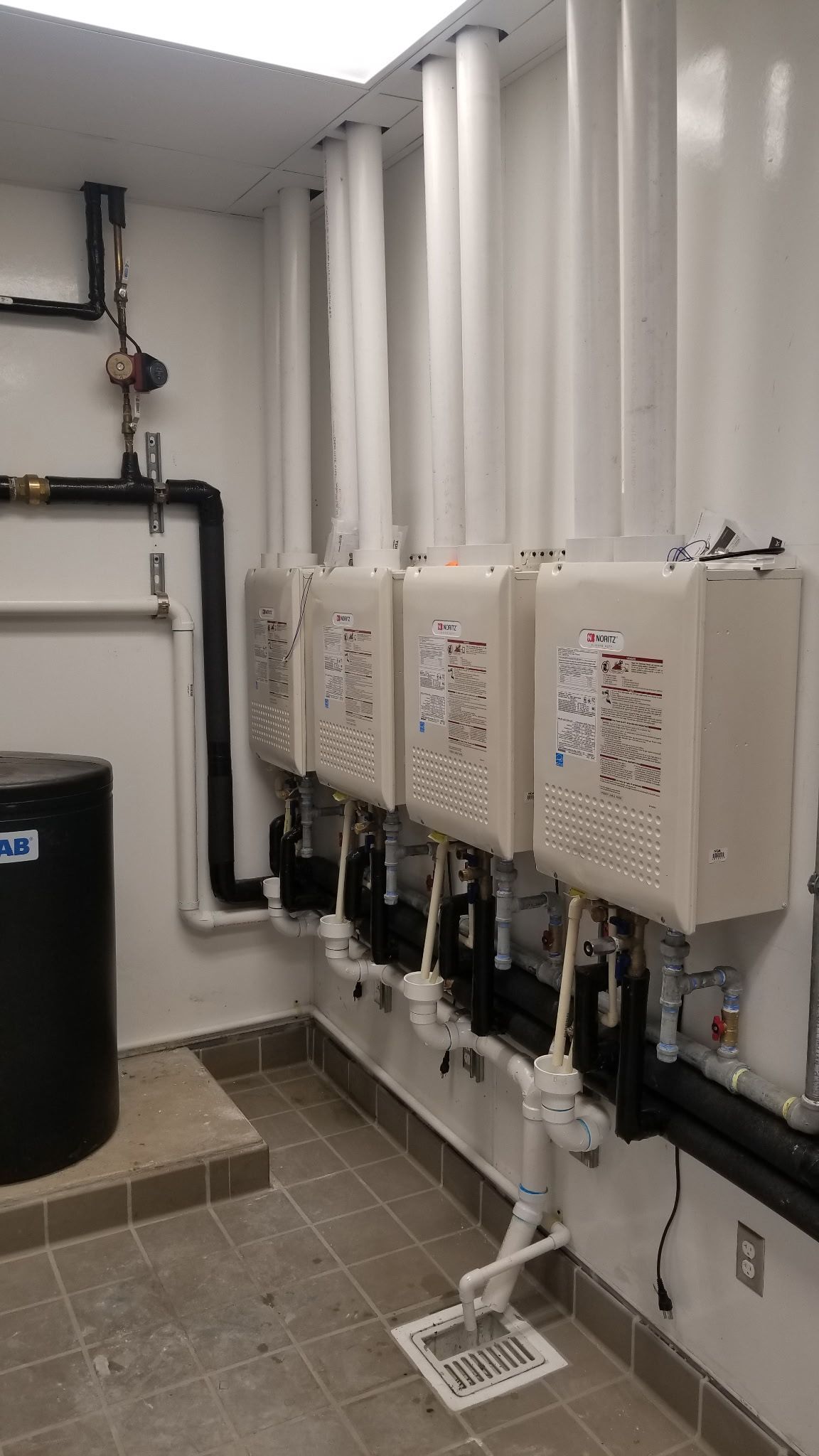
- Wall-mounted design saves floor space and reduces corrosion risk from garage humidity
- 20 to 30% energy savings over tank units — payback period typically 6 to 12 years
- Lifespan of 15 to 20+ years with proper maintenance
Tankless considerations specific to Gainesville:
- Hard water scaling in the heat exchanger requires annual descaling — without it lifespan drops significantly
- Older Gainesville homes may need electrical panel upgrades for electric tankless models (200+ amp requirement)
- Gas line upgrades may be needed for high-output gas tankless units
Tank advantages for Gainesville homeowners:
- Significantly lower upfront cost — $900 to $1,600 installed vs. $1,800 to $4,500+ for tankless
- Straightforward same-system replacement — no infrastructure upgrades needed
- More forgiving of hard water maintenance gaps than tankless heat exchangers
| Factor | Tank | Tankless |
|---|---|---|
| Installation cost | $900–$1,600 | $900–$1,600 $1,800–$4,500+ |
| Lifespan in Gainesville | 8–12 years | 15–20 years |
| Energy efficiency | Energy efficiency | Energy efficiency |
| Hard water sensitivity | Moderate — annual flushing needed | Moderate — annual flushing needed |
| Federal tax credit | Not applicable | Up to $600 for qualifying units |
Simple decision guide:
- Choose tankless if you own the home long-term, have high hot water demand, and are willing to invest in annual maintenance
- Choose tank if budget is the primary driver, your home has limited electrical capacity, or you need a fast same-day replacement
What Professional Water Heater Service From Scarborough Plumbing Includes
Whether you need a repair that buys a few more years or a full replacement with the right unit for your Gainesville home — Scarborough Plumbing provides honest assessments and transparent service from the first call through final installation.
What every Scarborough water heater service includes:
| Service Component | What It Means |
|---|---|
| Full assessment | We evaluate your unit's age, condition, repair history, and your home's water quality before recommending repair or replacement — never defaulting to the higher-ticket option |
| Transparent repair pricing | Itemized quote before any work begins — you know exactly what the repair costs relative to replacement before deciding |
| Same-day tank replacement | For emergency situations, tank units are available for same-day installation throughout Gainesville and surrounding areas |
| Tank and tankless installation | We install both system types and recommend the right one for your home, household size, and budget |
| Hard water assessment | We evaluate whether a water softener would extend the lifespan of your new unit and provide an honest recommendation |
| Warranty coverage | Every installation is backed by warranty on both parts and labor |
| Permit coordination | Water heater replacement requires a permit in Gainesville — Scarborough handles filing and inspection scheduling |
Don't make the repair vs. replace decision without an honest local assessment. Scarborough Plumbing serves Gainesville FL and surrounding areas with the kind of straight answers that help homeowners make the right call — not the most expensive one.
Schedule Your Water Heater Assessment →
Read: Low Water Pressure in Gainesville FL →
Recent Posts
Experience Expert Plumbing Services You Can Trust
When you need reliable plumbing solutions in Gainesville, Scarborough Plumbing is here to help. Our experienced team is ready to tackle any plumbing challenge, from routine maintenance to complex installations and everything in between. We pride ourselves on delivering honest, professional service with transparent pricing and quality workmanship that lasts. Don't let plumbing issues disrupt your day. Contact Scarborough Plumbing now and discover why Gainesville residents and businesses have trusted us since 2010 for all their plumbing needs.