Pipe Replacement vs. Repiping in Gainesville FL: How to Know What Your Home Actually Needs
Someone told you your pipes need work — and now you're trying to figure out whether you need a $500 spot repair or a $10,000 whole-house repipe. It's one of the most consequential plumbing decisions a Gainesville homeowner faces, and the difference between choosing correctly and choosing wrong is often thousands of dollars. In Gainesville's specific environment — hard limestone water that accelerates corrosion, aging galvanized and polybutylene pipe systems throughout older neighborhoods, and slab construction that hides pipe failures until they're severe — this decision requires local knowledge, not just general plumbing advice. Scarborough Plumbing helps Gainesville homeowners make this call correctly with honest assessments and transparent recommendations. This guide gives you the framework before you call anyone.
Pipe Replacement vs. Repiping — What's the Actual Difference?
These two terms describe fundamentally different scopes of work — and the right choice depends entirely on what's actually happening in your home:
| Feature | Spot Pipe Replacement | Whole-House Repiping |
|---|---|---|
| What it is | Targeted replacement of a single damaged section — the rest of the system stays intact | Complete replacement of the entire water supply system with modern materials |
| Best for | Newer homes under 15 years old, isolated single failures, accidental damage | Older homes with systemic material failure, multiple recurring leaks, outdated pipe materials |
| Impact on water quality | No change to overall water quality or pressure | Resolves rusty water, metallic taste, and chronic low pressure throughout the home |
| Project time | Hours to one day | 2 to 5 days for a full home |
| Typical cost in Gainesville | $370–$2,130 | $4,500–$15,000+ |
| Disruption level | Minimal — minor drywall access if needed | Significant — access holes throughout the home, water shut off during work hours |
The key question that determines which path is right: Is this a single isolated failure in an otherwise healthy system — or is the system itself failing?
That distinction is what Scarborough Plumbing assesses on every evaluation call before recommending either path.
How Long Do Pipes Last in Gainesville FL?
Gainesville. Florida's hard water, acidic soil, high humidity, and slab construction create conditions that accelerate failure beyond what manufacturers or national guides suggest:
| Pipe Material | National Average | Gainesville Reality | Primary Accelerator |
|---|---|---|---|
| Copper | 50–70+ years | 40–60 years — pinhole leaks often begin at 10–20 years | Pitting corrosion from pH fluctuations and high chlorine in municipal water |
| CPVC | 50–75 years | 40–60 years in older installations | Brittleness from attic heat exposure and aging |
| PEX | 40–50+ years | 40–50+ years — most reliable modern material | UV exposure if improperly installed in exposed areas |
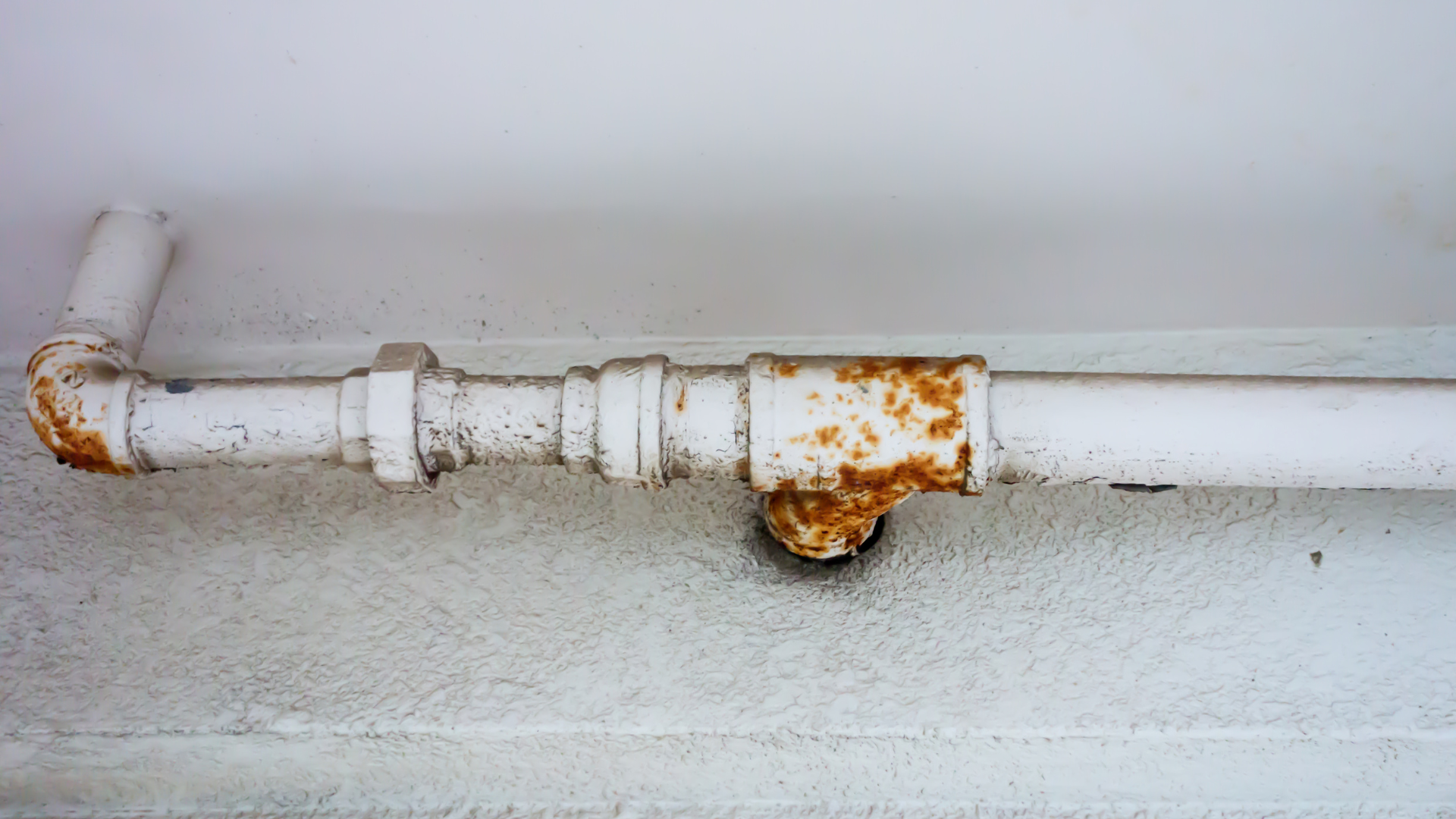
| Galvanized steel | 30–50 years | Many Gainesville homes with galvanized are already at or past failure | Internal rust buildup accelerated by hard water mineral content |
| Cast iron (underground) | 50–60+ years | Fails faster in Florida's high-moisture soil | External corrosion from soil moisture and slab shifting |
The Gainesville-specific accelerators:
- Hard water from Gainesville's limestone aquifer deposits calcium and magnesium inside pipes — narrowing diameter and accelerating internal corrosion
- North Florida's acidic soil corrodes exterior metal pipe surfaces and underground lines faster than in drier climates
- Florida's slab construction means pipe failures beneath the foundation go undetected far longer than in homes with accessible crawlspaces
The Most Common Pipe Materials Found in Gainesville Homes — And Their Problems
Knowing what's in your walls is the first step toward understanding your risk level:
- Galvanized steel — pre-1970s homes Steel pipes coated in zinc that rust from the inside out over time. By the time internal rust buildup is causing brown water and low pressure throughout the home, replacement is almost always the right call — not another spot repair. In Gainesville's hard water conditions, galvanized pipes that have reached 50+ years are at high risk of failure and should be assessed immediately.
- Copper — 1960s through present The reliable standard for decades — but in Gainesville, copper's vulnerability to pitting corrosion from municipal water chemistry and acidic soil creates a meaningful risk of pinhole leaks after 10 to 20 years. Copper pipes beneath concrete slabs are particularly vulnerable to slab shifting and acidic soil contact from the exterior.
- Polybutylene — 1978 through 1995 Gray flexible plastic pipe that became notorious for catastrophic internal failure from chemical reactions with chlorinated municipal water. Polybutylene deteriorates from the inside out — becoming brittle and prone to sudden cracking at joints and along the pipe itself. Most Florida insurance companies now refuse coverage or charge extreme premiums for homes with active polybutylene systems. If your home has polybutylene — replacement is not optional, it's urgent.
- CPVC — 1990s through present Rigid white or cream plastic that becomes increasingly brittle with age — particularly in Florida's hot attic conditions. Older CPVC installations from the 1990s are now entering their failure window and should be evaluated for brittleness cracks.
- PEX — late 1990s through present The current standard for repiping — flexible, corrosion-resistant, and highly compatible with Gainesville's hard water chemistry. PEX is the material Scarborough Plumbing uses for most Gainesville repiping projects for these reasons.
Quick risk reference for Gainesville homeowners:
| Material | Era | Risk Level | Primary Concern |
|---|---|---|---|
| Galvanized steel | Pre-1970s | High | Internal corrosion and rust buildup |
| Polybutylene | 1978–1995 | Very high | Catastrophic sudden failure, insurance issues |
| Copper | 1960s+ | Moderate-High | Pinhole leaks from pitting, slab leak risk |
| CPVC | 1990s+ | Moderate | Brittleness in aging installations |
| PEX | Late 1990s+ | Low | UV exposure if improperly installed |
Signs You Need Spot Pipe Replacement — Not a Full Repipe
A targeted repair is the right financial call when these specific conditions are true:
The damage is genuinely isolated:
- Water staining, damp spots, or active dripping confined to one specific location — one ceiling corner, under one sink — while the rest of the home is completely dry
- Only one fixture or area has low water pressure — suggesting a localized blockage or leak rather than system-wide restriction
- The leak was caused by an external event — a nail puncture during renovation, a rare hard freeze burst, or impact damage to a specific pipe section
The pipe material is modern and otherwise healthy:
- Younger home under 15 years old where the rest of the system is copper or PEX in good condition
- A plumber inspection confirms the isolated section is the only damaged area and the surrounding pipe material shows no signs of the same deterioration pattern
When to reconsider spot repair: If you've had three or more leaks in the past six months — even if each one appeared isolated — the pattern itself is a red flag. In Gainesville's hard water conditions, multiple leaks in a short window almost always indicate the pipe material is failing systemically, not experiencing isolated accidents.
Signs You Need a Full Whole-House Repipe in Gainesville FL
These signs indicate the system itself is failing — and spot repairs are treating symptoms rather than the problem:
| Sign | What It Indicates |
|---|---|
| Multiple leaks in different locations over months | Material fatigue throughout the system — each repair shifts pressure to the next weak point |
| Consistently low pressure throughout the home | Internal corrosion or mineral scaling has narrowed pipe diameter system-wide — spot repair can't fix this |
| Brown, yellow, or reddish water from multiple taps | Internal pipe oxidation flaking into the water supply — a system-wide condition |
| Metallic taste or odor | Deteriorating pipe material contaminating the water supply |
| Galvanized or polybutylene pipe confirmed | These materials have reached end-of-life in Gainesville's conditions — full replacement is the only reliable solution |
| Frequent emergency plumbing calls | The cumulative cost of recurring repairs is approaching or exceeding the cost of repiping |
| Insurance difficulties | Florida insurers increasingly require polybutylene or aging galvanized replacement before issuing or renewing coverage |
The financial case for repiping when the signs are there: A whole-house repipe can reduce annual plumbing costs by up to 70% by eliminating the recurring emergency call cycle. Modern PEX pipe handles Gainesville's hard water conditions significantly better than the materials it replaces — and a completed repipe can increase property value and resolve insurance complications simultaneously.
What the Repiping Process Actually Involves
Most Gainesville homeowners are surprised by how manageable the repiping process is when handled by an experienced crew:
Timeline for a standard Gainesville home:
| Phase | Timeline | What Happens |
|---|---|---|
| Day 1 — Prep and access | Morning | Furniture and surfaces protected, main water shut off, access holes cut at strategic locations |
| Days 2–4 — Pipe installation | Work hours | New PEX or copper lines run through walls, ceilings, and crawlspaces — water restored each evening |
| Days 3–4 — Connections | Work hours | Branch lines and fixture connections completed, new shutoff valves installed |
| Day 4–5 — Testing and restoration | Full day | Pressure testing confirms no leaks, drywall holes patched and prepped for paint, site cleaned |
What disruption actually looks like: Water is typically shut off only during active work hours — 8 to 10 hours per day. Most Gainesville homeowners can stay in the home throughout the process. Water is restored each evening. The access holes required are strategic and minimal — not the wall-to-wall demolition many homeowners imagine.
Permit requirements in Gainesville FL: A plumbing permit is required for whole-house repiping in Gainesville. Scarborough Plumbing handles all permit applications, coordinates required inspections, and manages the final sign-off — you don't need to navigate the City of Gainesville permit process yourself.
How Florida's Hard Water Affects Your Pipe Replacement Decision
This is the factor that makes the spot-repair-vs-repipe decision different in Gainesville than in most other markets.
Gainesville's water hardness runs approximately 140 mg/L — well above the threshold where mineral buildup begins actively affecting pipe performance. In practical terms this means:
- Spot repairs become temporary in hard water conditions: When galvanized or older copper pipes are failing in Gainesville, the hard water that accelerated the failure in one section has been affecting the entire system for the same amount of time. Replacing one section puts a new pipe section adjacent to pipe that's experienced the same degradation — and the next failure point is already developing.
- Scaling narrows the entire system: Mineral deposits don't just build up at the failure point — they accumulate throughout the system's interior. Replacing a single section doesn't address the narrowing that's reducing pressure and flow throughout the rest of the home.
- The hard water recommendation for Gainesville: If your home has galvanized pipe or polybutylene and you're experiencing symptoms — plan for full repiping rather than a cycle of partial repairs. The hard water math makes spot repair a short-term solution in a long-term problem.
- Mitigation after repiping: A water softener installed after repiping with PEX significantly reduces the rate of future scale buildup — protecting the new system and extending its effective lifespan. Scarborough Plumbing assesses water quality and can recommend softener installation as part of any repiping project. For more on how Gainesville's hard water affects your entire plumbing system, read our
hard water guide for Gainesville homeowners →.
What Does Repiping Cost in Gainesville FL?
Here's the honest cost breakdown for Gainesville homeowners planning a whole-house repipe:
Size-based estimates (PEX installation):
| Home Size | PEX Repipe Range | Copper Repipe Range |
|---|---|---|
| 1,500 sq ft | $4,500–$8,500 | $9,000–$12,000+ |
| 2,000–2,500 sq ft | $6,600–$10,000 | $11,000–$15,000+ |
| 2,500–3,500 sq ft | $7,500–$12,000 | $13,000–$18,000+ |
| Per fixture estimate | $550–$1,800 per fixture | Varies |
What drives cost up or down in Gainesville specifically:
| Cost Factor | Impact |
|---|---|
| Material choice | PEX is 30–40% less expensive than copper — the most significant cost variable |
| Slab foundation | Adds 15–30% — concrete removal required for under-slab access |
| Multi-story home | Increases labor time and complexity |
| Drywall repair | $300–$900+ depending on number of access points |
| Permits and inspections | $50–$500 in Gainesville — Scarborough handles all permit filing |
| Polybutylene or galvanized removal | May add cost if significant corrosion mitigation is required |
PEX vs. copper — the practical Gainesville recommendation: For most Gainesville homes, PEX is the right repiping material. It's flexible enough to navigate Gainesville's slab construction with fewer access points, corrosion-resistant against the city's hard water chemistry, and significantly less expensive than copper. Copper remains the premium option for homeowners who want maximum lifespan and are planning to stay in the home for 40+ years.
Why Gainesville Homeowners Trust Scarborough Plumbing for Repiping
The decision between spot repair and full repiping in Gainesville isn't one-size-fits-all — and a plumber who recommends repiping to every homeowner who calls with a leak isn't giving you honest advice. Neither is one who patches the same system repeatedly without acknowledging the pattern.
Scarborough Plumbing gives Gainesville homeowners the straight answer — based on what's actually happening in their specific system, not on what generates the highest invoice.
What every Scarborough repiping service includes:
| Service Component | What It Means for You |
|---|---|
| Full system assessment | We evaluate pipe material, age, water quality, and failure pattern before recommending repair or repipe |
| Honest scope recommendation | If spot repair is the right call, we tell you that — even when the repipe would generate more revenue |
| Permit handling | We file all City of Gainesville permits and coordinate required inspections |
| PEX and copper installation | Both options available — we recommend based on your home's specific conditions and your timeline |
| Water quality assessment | Hard water evaluation and softener recommendation as part of every repiping project |
| Minimal disruption approach | Strategic access points, daily water restoration, full drywall patching and site cleanup |
| Full warranty | Every installation backed by warranty on both parts and labor |
Don't make a $10,000 decision based on a phone quote. Let Scarborough Plumbing assess your Gainesville home in person before you commit to anything.
Recent Posts
Experience Expert Plumbing Services You Can Trust
When you need reliable plumbing solutions in Gainesville, Scarborough Plumbing is here to help. Our experienced team is ready to tackle any plumbing challenge, from routine maintenance to complex installations and everything in between. We pride ourselves on delivering honest, professional service with transparent pricing and quality workmanship that lasts. Don't let plumbing issues disrupt your day. Contact Scarborough Plumbing now and discover why Gainesville residents and businesses have trusted us since 2010 for all their plumbing needs.