Filled-in black heart shape.

Leak Detection in Gainesville FL: How to Find Hidden Leaks Before They Cause Serious Damage

April 8, 2026

Share this article

A hidden water leak in a Gainesville home doesn't announce itself — it builds quietly behind walls, beneath concrete slabs, and under floors while water bills creep up, mold takes hold, and structural damage accumulates. By the time most homeowners notice something is wrong, the damage is already significant. In Gainesville's specific environment — hard limestone water, aging infrastructure, slab-on-grade construction, and Florida's humidity — hidden leaks are more common, more destructive, and more difficult to find than in most other regions. Scarborough Plumbing has the equipment and experience to locate hidden leaks throughout Gainesville and surrounding areas — before they become emergencies. This guide walks you through the warning signs, what you can check yourself, and when to call a professional.

Why Hidden Leaks Are So Common in Gainesville FL Homes

Gainesville homeowners face a combination of environmental and structural factors that make hidden leaks significantly more likely — and harder to detect — than in most other parts of the country:

Risk Factor What It Does to Your Plumbing
What It Does to Your Plumbing Gainesville's water carries high mineral content from local limestone deposits — creating scaling and corrosion inside copper pipes that produces pinhole leaks over time
Slab-on-grade construction Many Gainesville homes are built on concrete slabs with plumbing running beneath — leaks in these lines are completely invisible until water pressure, staining, or foundation movement reveals them
Aging pipe materials Older homes with copper or galvanized steel pipes face accelerated decay from the region's corrosive soil and water chemistry
Soil movement and moisture cycling Florida's heavy rain followed by dry periods causes significant soil shifting — putting stress on buried pipes that cracks joints and connections over time
High humidity and condensation Persistent humidity causes external corrosion on pipes in attics and walls — a slow, invisible process that compounds over years

Common hidden leak locations in Gainesville homes:


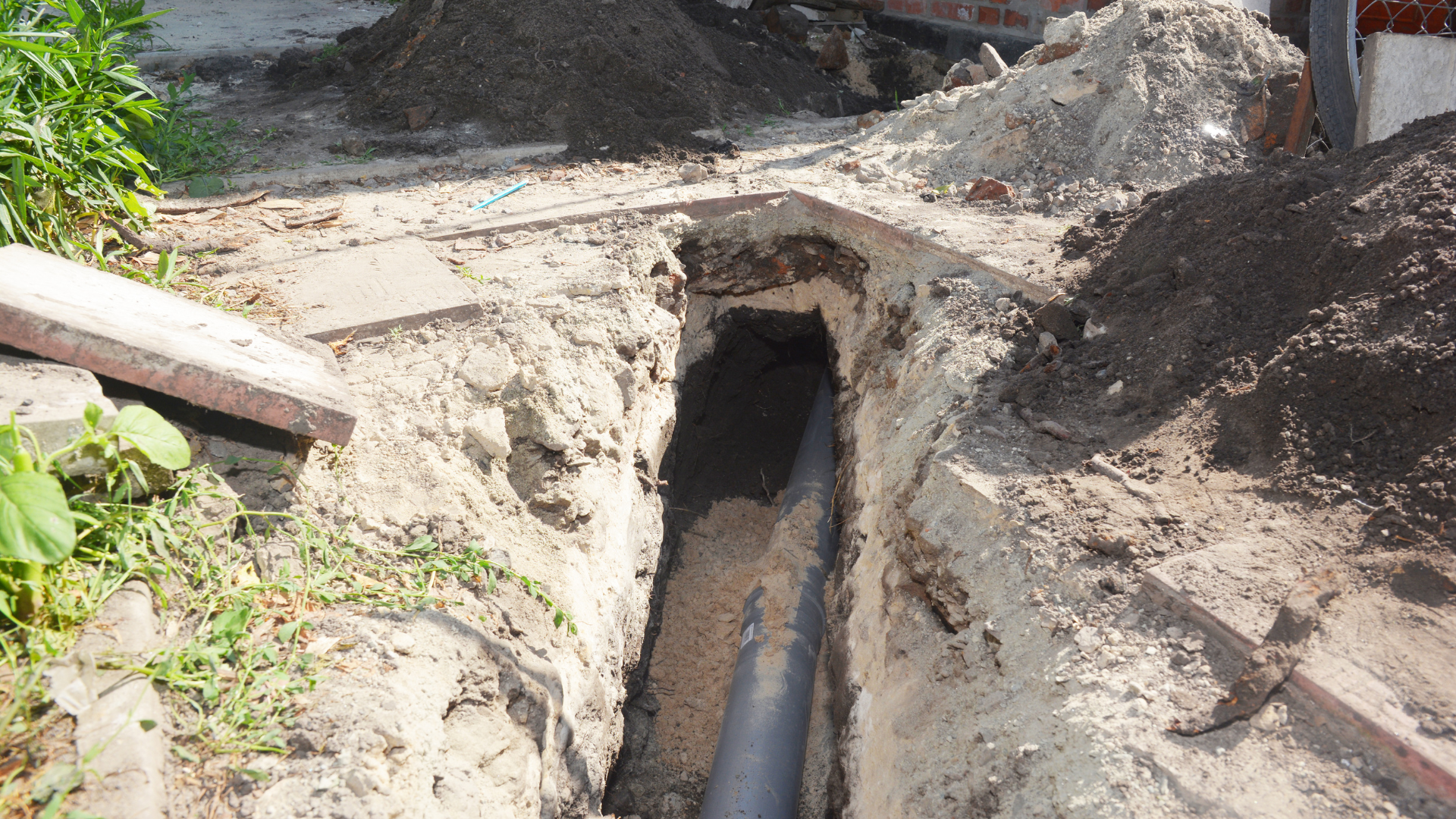
  • Underground water lines beneath concrete slabs
  • Pipe joints and bends within walls — particularly near bathrooms, kitchens, and laundry rooms
  • Ceiling voids — either from plumbing above or roof-related moisture intrusion
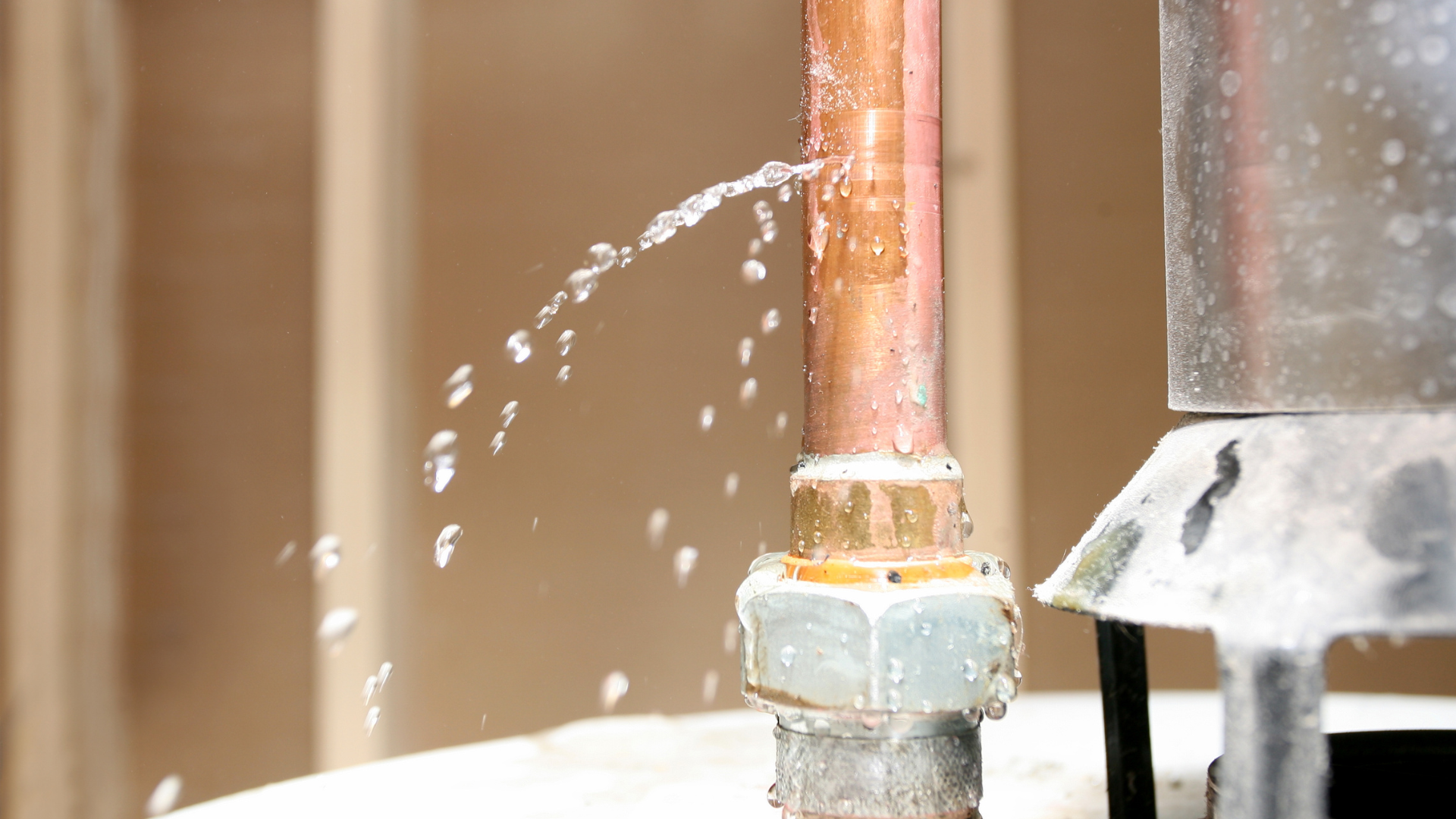
  • Water heater connections — one of the most frequently overlooked hidden leak sources

Warning Signs You Have a Hidden Water Leak

  • These signs don't always appear together — even one of them warrants investigation:

Signs It's Time to Replace Your Water Heater — Not Just Repair It

These signs indicate the unit has passed the point where repair makes financial sense:

Warning Sign What It Indicates
Rising water bills without explanation Often the earliest indicator — even a small pinhole leak can waste thousands of gallons monthly
Consistently low water pressure A sudden, sustained drop across the home may indicate a major hidden break in the supply line
Yellow or brown stains on ceilings or walls Active or previous moisture intrusion — particularly concerning near bathrooms, kitchens, and utility areas
Musty odors or unexpected mold growth Moisture trapped in hidden areas — in Florida's humidity mold begins forming within 24 to 48 hours of a leak
Warm spots on concrete floor sections A consistently warm area on slab flooring almost always indicates a hot water line leak beneath the concrete
Water meter movement with everything off Turn off all fixtures and appliances — if the meter still moves, water is leaving your system somewhere
Warped, buckled, or spongy flooring Water damage from beneath — particularly common with hardwood and laminate over slab
Sounds of running water with nothing on Hissing, dripping, or rushing sounds behind walls or under floors when all fixtures are closed

Where to check first if you suspect a leak:


  • Under all sinks and in cabinets — look for warped wood, water stains, or moisture
  • Around the water heater base and connections
  • Along exterior walls and foundation — look for cracks, peeling paint, or unusually lush wet patches in the yard
  • In the attic if accessible — look for staining on insulation or structural members

The Most Common Types of Hidden Leaks in Gainesville Homes

Understanding what type of leak you're dealing with determines how it's detected and repaired:


Slab leaks — under-slab water line failures Copper pipes beneath concrete foundations develop leaks from Florida's acidic water chemistry acting on pipe interiors combined with constant thermal expansion and contraction of hot water lines abrading against the surrounding limerock. Slab leaks are invisible from the surface until warm spots, floor damage, or foundation movement reveals them — by which point significant damage has often already occurred.


Pipe joint and fitting leaks Joints connecting pipes are the most mechanically vulnerable points in any plumbing system. Gainesville's soil cycling — heavy rain saturation followed by dry shrinkage — creates constant ground movement that stresses these rigid connection points until they crack or separate.


Under-slab corrosion Older Gainesville homes with copper plumbing beneath the slab face an additional threat: electrolytic corrosion from the combination of acidic groundwater and buried metallic plumbing. High water pressure accelerates this process, creating multiple small failure points rather than a single obvious break.


Hidden wall and ceiling leaks Leaks behind walls and above ceilings remain hidden until mold staining, paint bubbling, or structural softness makes them visible. Florida's humidity accelerates both the initial corrosion that causes these leaks and the mold growth that follows — making early detection critical.

How Florida's Hard Water Affects Your Water Heater Lifespan

These tests can confirm whether a leak exists before you make a service call:


1. The Water Meter Test — Most Reliable


  1. Turn off all faucets, showers, and water-using appliances — do not turn off the main valve, just all fixtures
  2. Locate your water meter — typically near the curb, in a utility box, or in a basement
  3. Look for the leak indicator — a small red or white triangle or dial on the meter face. If it's moving, water is actively leaving your system
  4. Record the reading, wait 15 to 30 minutes without using any water, then check again. Any increase confirms an active leak
  5. Isolation check: If the indicator is still moving, turn off the main house shut-off valve. If the meter continues to move, the leak is in the service line between the meter and your home — call Scarborough Plumbing immediately


2. Visual Inspection Checklist


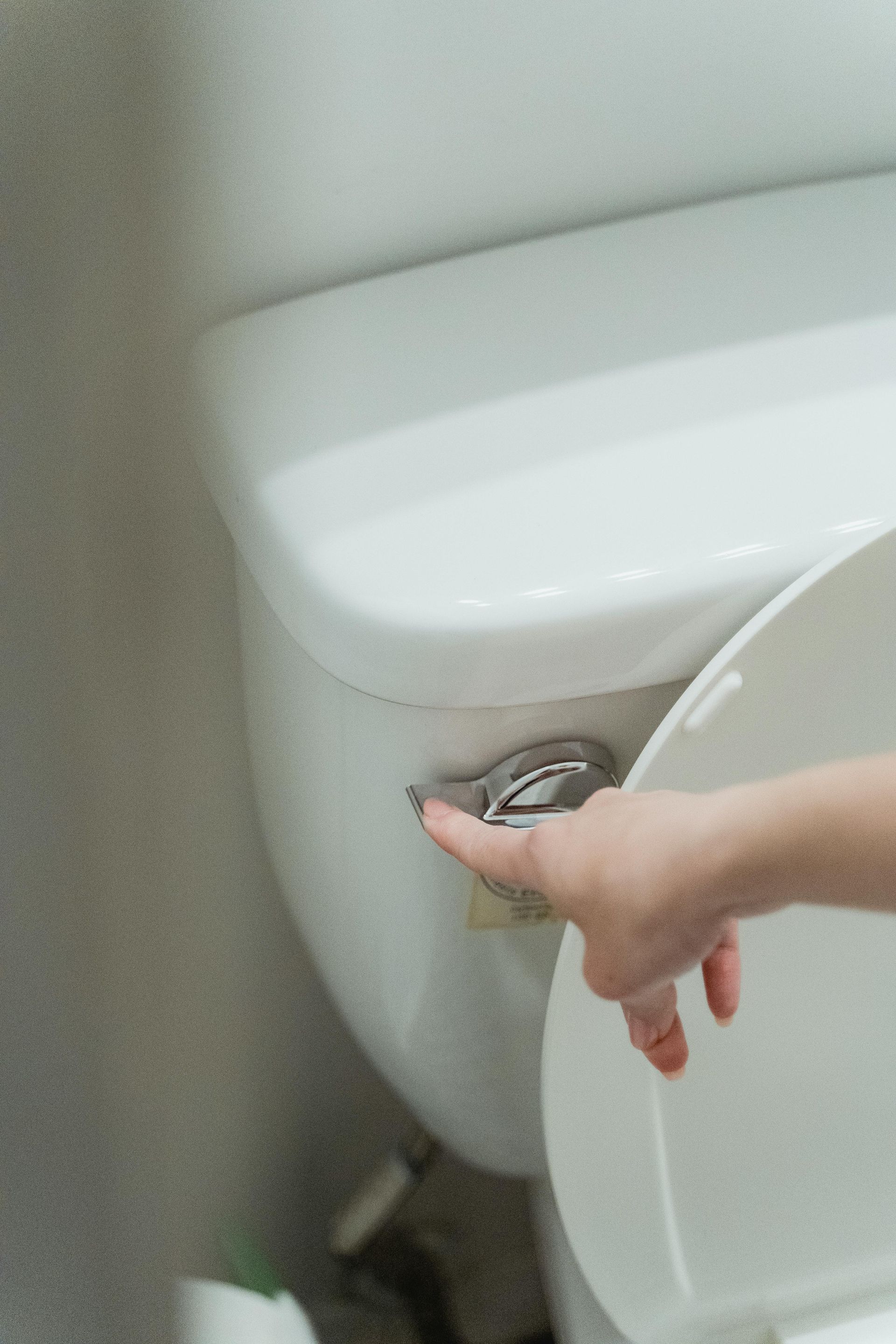
  • Toilet test — add a few drops of food coloring to the toilet tank. Wait 15 minutes. If color appears in the bowl without flushing, the flapper is leaking
  • Under sinks — check for moist cabinet floors, warped wood, water stains, or musty odors
  • Appliances — check around the water heater, dishwasher, and washing machine for puddles or surface corrosion
  • Walls and ceilings — look for discoloration, peeling paint, or bubbling wallpaper near bathrooms or kitchens
  • Outdoor — inspect for persistently wet soil patches, unusually lush grass sections, or dripping exterior spigots


3. Listening Techniques Turn off all appliances including the refrigerator and HVAC. Listen carefully along walls, floors, and near pipe entry points for hissing, dripping, or rushing sounds. For a low-tech amplification method — press the bottom of a glass cup against the wall and your ear to the other end to amplify sounds behind drywall.


When to stop DIYing and call Scarborough Plumbing:


  • The meter is spinning rapidly — major leak requiring immediate attention
  • You've confirmed a leak but can't locate the source
  • You suspect a slab leak — warm floor spots, mold under flooring, or shifting tiles
  • You detect sewage odors — may indicate a broken drain or sewer line


Any leak you suspect is inside a wall or beneath a slab — do not cut into walls or break concrete without professional acoustic confirmation first.

What Professional Leak Detection in Gainesville FL Actually Involves

Professional leak detection uses non-invasive equipment to pinpoint the exact location of a hidden leak — minimizing structural damage and repair cost compared to guess-and-check methods:

Detection Method How It Works Best For
Acoustic listening equipment Highly sensitive microphones detect the sound of water escaping pipes — even through concrete and drywall Slab leaks, underground line leaks, pressurized pipe failures
Thermal imaging Infrared cameras detect temperature variations in walls, floors, and ceilings — revealing hidden moisture without opening walls Wall leaks, under-floor leaks, ceiling moisture intrusion
Tracer gas method Non-toxic gas introduced into the pipe system escapes at the leak point — sensors track it to the exact location Hard-to-reach underground leaks, complex slab configurations
Video camera inspection High-resolution camera inserted into drain and sewer lines identifies cracks, root intrusion, and pipe failures Sewer line leaks, drain line damage, root intrusion
Electronic ultrasonic detection Detects high-frequency sounds from pressurized water escaping — accurately identifies small pinhole leaks Copper pipe pinhole leaks, joint failures

Why professional detection is worth the cost: A standard professional leak detection service call typically runs $175 to $350 — a fraction of what undetected leak damage costs in a Florida home. Finding the exact location before any cutting or demolition begins means targeted, minimal repairs rather than expensive guess-and-check excavation.

Slab Leaks in Gainesville FL — What They Are and Why They're Serious

Slab leaks deserve their own section because they're among the most damaging and most common hidden leak types in Gainesville — and they're almost always missed until significant damage has occurred.


Why Gainesville homes are specifically at risk:


  • Florida's acidic soil corrodes pipe exteriors from outside while acidic water chemistry attacks from inside
  • Constant water table fluctuations from heavy rain and drought cycles cause foundations to shift — stressing pipes against concrete
  • Hot water line expansion and contraction abrades pipes against surrounding limerock over time — creating wear that eventually cracks


Warning signs of a slab leak:


  • Unexplained water bill increases with no change in usage
  • Warm or damp spots on slab flooring — particularly in living areas away from known plumbing
  • Sounds of running water when all fixtures are off
  • Foundation cracks, doors that won't close properly, or floor tiles that shift — soil erosion beneath the slab


Why early detection matters so much: A small, early-detected slab leak may require only a targeted opening in the concrete for a direct repair. An advanced slab leak that has been eroding soil beneath the foundation for months can require extensive excavation, full repiping, structural repair, and mold remediation — costs that can exceed $20,000 and may face insurance challenges if delay is seen as neglect.

What Happens If a Hidden Leak Goes Undetected in a Florida Home

Florida's humidity makes the consequences of undetected leaks compound faster than in drier climates:.

Consequence Timeline in Florida's Climate
Timeline in Florida's Climate 24–48 hours after water reaches an enclosed space — Florida's humidity accelerates this dramatically
Structural damage Drywall saturates, wooden studs begin to rot, flooring buckles — weeks to months depending on leak volume
Foundation compromise Slab leaks erode supporting soil — months of undetected leaking can cause significant structural shifting
Utility impact Undetected leaks can increase monthly water bills by 10% or more — adding hundreds annually
Remediation cost Full mold remediation, structural repair, and repiping can exceed $20,000 — compared to $175–$350 for early professional detection
Insurance complications Insurers may deny claims or reduce payouts if delay in reporting is interpreted as neglect

The cost equation is simple: professional leak detection is one of the least expensive plumbing services available. The damage from skipping it is among the most expensive.

Why Gainesville Homeowners Trust Scarborough Plumbing for Leak Detection

Hidden leaks in Gainesville aren't generic plumbing problems — they're shaped by this city's specific water chemistry, soil conditions, aging infrastructure, and slab construction. Finding them requires equipment, experience, and local knowledge that general handymen and uncertified crews simply don't have.


Scarborough Plumbing provides professional leak detection throughout Gainesville and surrounding areas — with the equipment to find leaks non-invasively and the plumbing expertise to repair them correctly once located.


What every Scarborough leak detection service includes:

Service Component What It Means for You
Full diagnostic assessment We evaluate your home's specific risk factors — pipe age, water quality, foundation type — before selecting detection approach
Non-invasive detection technology Acoustic listening, thermal imaging, and camera inspection — we find the leak before cutting anything
Precise location reporting You know exactly where the leak is and what repair it requires before any demolition begins
Connection to repair and repiping services If detection reveals a leak that warrants repiping, Scarborough handles the full repair — one call, one company
Honest assessment We tell you what we found and what it requires — no upselling, no unnecessary repairs
Fast response Hidden leaks compound quickly in Florida — we prioritize urgent detection calls

Why Gainesville Homeowners Trust Scarborough Plumbing for Leak Detection

Hidden leaks in Gainesville aren't generic plumbing problems — they're shaped by this city's specific water chemistry, soil conditions, aging infrastructure, and slab construction. Finding them requires equipment, experience, and local knowledge that general handymen and uncertified crews simply don't have.


Scarborough Plumbing provides professional leak detection throughout Gainesville and surrounding areas — with the equipment to find leaks non-invasively and the plumbing expertise to repair them correctly once located.


What every Scarborough leak detection service includes:


Service Component What It Means for You
Full diagnostic assessment We evaluate your home's specific risk factors — pipe age, water quality, foundation type — before selecting detection approach
Non-invasive detection technology Acoustic listening, thermal imaging, and camera inspection — we find the leak before cutting anything
Precise location reporting You know exactly where the leak is and what repair it requires before any demolition begins
Connection to repair and repiping services If detection reveals a leak that warrants repiping, Scarborough handles the full repair — one call, one company
Honest assessment We tell you what we found and what it requires — no upselling, no unnecessary repairs
Fast response Hidden leaks compound quickly in Florida — we prioritize urgent detection calls

Don't wait for your water bill, your floors, or your foundation to tell you what a professional detection service could find today.


[Schedule Your Leak Detection Assessment ]

[Read: Signs You Need a Repipe in Gainesville FL →]

[Read: Low Water Pressure in Gainesville FL →]

[See All Plumbing Services in Gainesville FL →]

Recent Posts

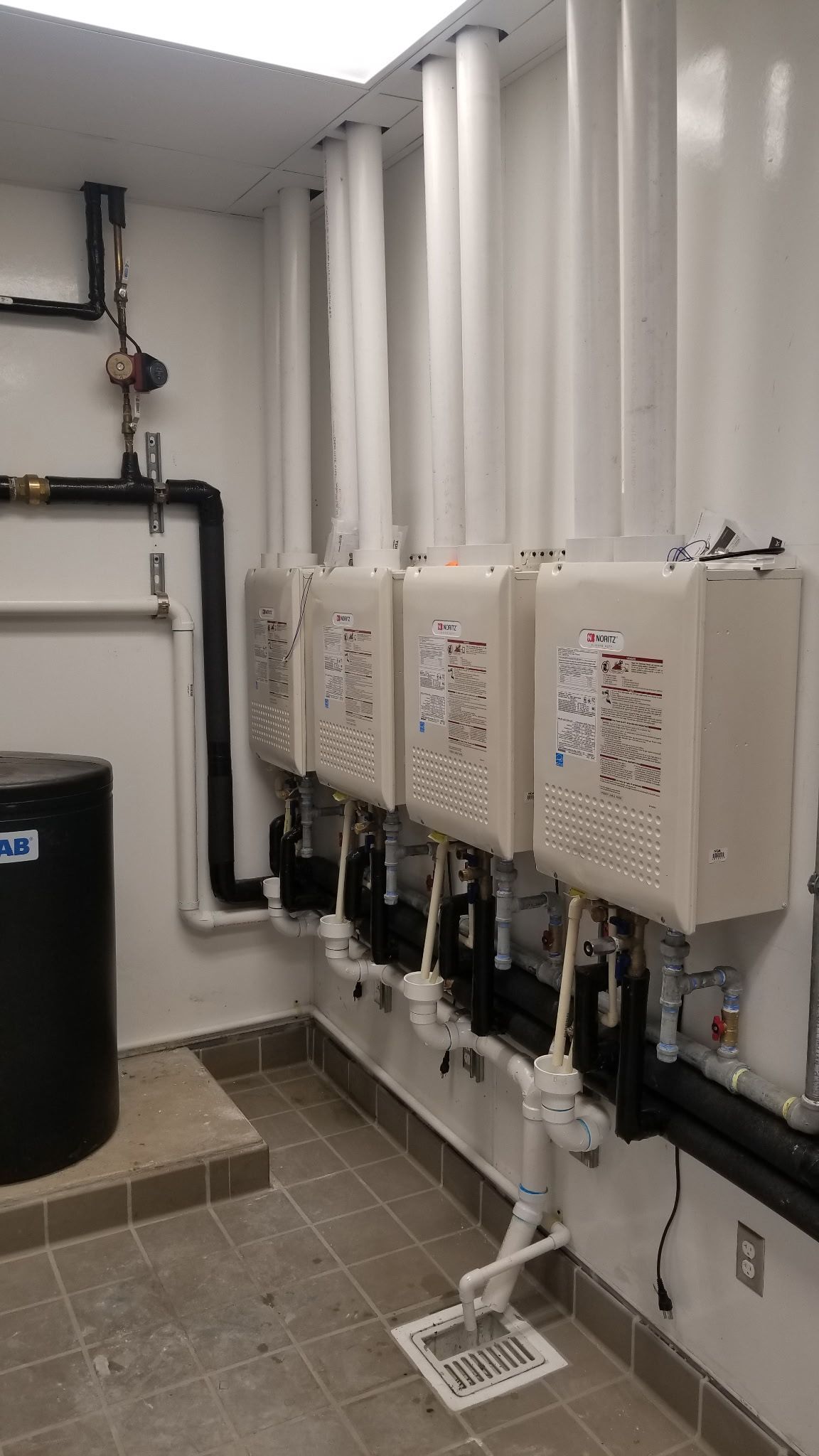
Four wall-mounted white tankless water heaters installed in a utility room with white pipes and tiled flooring.
April 1, 2026
Not sure whether to repair or replace your water heater in Gainesville FL? Scarborough Plumbing breaks down the signs, the costs, and how Florida's hard water affects your decision.
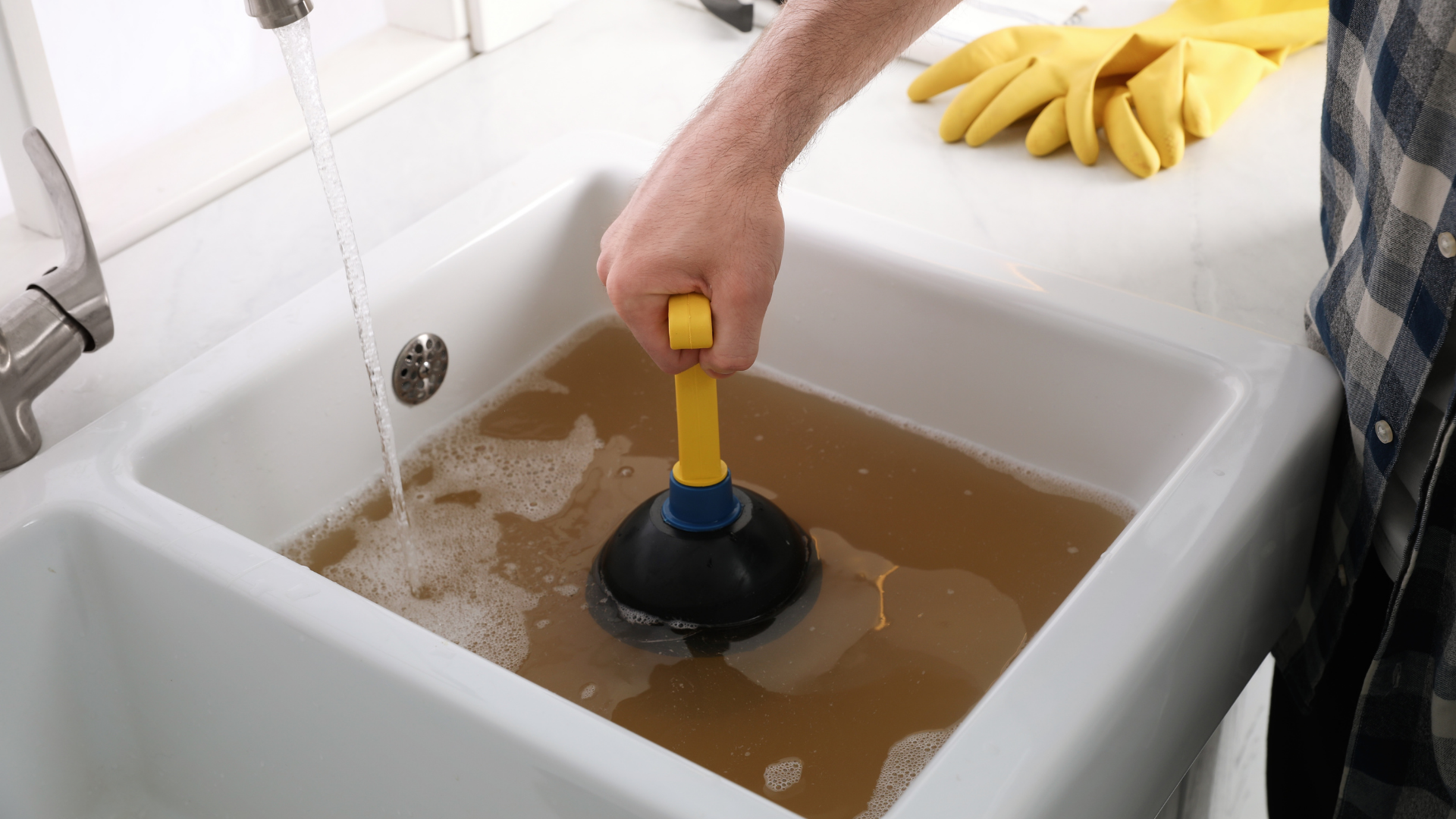
Drain cleaning plumber Gainesville FL Scarborough Plumbing clogged pipes
March 25, 2026
Slow or recurring drains in your Gainesville FL home? Scarborough Plumbing explains what's really causing the problem and when it's time to call a professional drain cleaning plumber.
A public restroom with light gray walls, orange stripes, and black privacy partitions separating urinals and stalls.
March 18, 2026
Low water pressure making daily life frustrating? Scarborough Plumbing covers the most common causes and fixes for Gainesville FL homeowners — and when to call a pro.
Two workers install three parallel black drainage pipes in a sandy trench outside a house.
March 11, 2026
Need a repipe plumber in Gainesville FL? Scarborough Plumbing walks you through the full repiping process — signs, costs, and timeline. Serving Gainesville & surrounding areas.
Construction worker installing pipes in a trench near a building with exposed pink insulation.
March 4, 2026
Learn how hard water affects plumbing systems in Gainesville, FL and how to prevent pipe damage and water heater issues.
A metal outdoor faucet with a red handle attached to a weathered wall.
February 25, 2026
Learn the benefits of whole-house repiping in Gainesville, FL. Improve water pressure, prevent leaks, and upgrade your plumbing system with Scarborough Plumbing.
White water heaters, pipes, and a black tank in a utility room.
February 18, 2026
Learn the signs your Gainesville home may need repiping and how Scarborough Plumbing can help protect your plumbing system.
Workers installing drainage pipes in a dirt trench outdoors near a house, trees, and vehicles.
February 12, 2026
Professional drain cleaning in Gainesville FL helps prevent clogs, sewer backups, and costly plumbing repairs.
Several white service vans parked on grass under trees. Blue logo, open doors.
February 12, 2026
Need an emergency plumber in Gainesville, FL? Learn the signs of urgent plumbing issues and when to call Scarborough Plumbing.

Experience Expert Plumbing Services You Can Trust

When you need reliable plumbing solutions in Gainesville, Scarborough Plumbing is here to help. Our experienced team is ready to tackle any plumbing challenge, from routine maintenance to complex installations and everything in between. We pride ourselves on delivering honest, professional service with transparent pricing and quality workmanship that lasts. Don't let plumbing issues disrupt your day. Contact Scarborough Plumbing now and discover why Gainesville residents and businesses have trusted us since 2010 for all their plumbing needs.