
Filled-in black heart shape.

The Whole House Repiping Process in Gainesville FL: What to Expect From Start to Finish

April 22, 2026

Share this article

You've decided to repipe your Gainesville home. Now comes the question that keeps most homeowners from picking up the phone: what is this actually going to be like? How many days? How long without water? What will my walls look like when it's done? Can I stay in the house? The hesitation between deciding to repipe and booking the appointment almost always comes down to not knowing what to expect. Scarborough Plumbing has repiped homes throughout Gainesville and surrounding areas — and this guide walks you through the complete process, day by day, from the initial assessment through the final inspection and wall repair. No surprises.

Before the Repipe Begins — What Scarborough Plumbing Assesses First

The work that happens before Day 1 determines how efficiently and non-disruptively the project runs. Here's what Scarborough Plumbing completes during the pre-repipe assessment:


Pipe material confirmation and inspection We identify exactly what's in your walls — galvanized steel, polybutylene, aging copper, or CPVC — and assess the extent of corrosion, scaling, and failure points throughout the system. This determines the urgency, scope, and material recommendation for your specific home.


Access point planning Rather than opening walls wherever seems convenient, we map the most efficient path for new pipes through your home's attic, crawlspace, and wall cavities — minimizing the number and size of access holes required. This is where the experience of a Gainesville-specific crew makes a real difference — older Florida homes with slab foundations and tight wall cavities require different routing strategies than newer construction.


Material selection — PEX or copper Based on your home's layout, Gainesville's water chemistry, your budget, and your timeline preference, we recommend the right material. For most Gainesville homes — PEX is the recommendation. The full comparison is covered in the section below.


Permit application A plumbing permit is required for whole-house repiping in Gainesville through the PermitGNV portal. Scarborough Plumbing handles all permit submissions, coordinates required inspections, and manages the permit card and approved plans on site. You don't need to navigate the City of Gainesville permit process yourself.


Water quality assessment We evaluate your water hardness and recommend whether a water softener should be installed concurrently — a question that's particularly important for Gainesville homes because of the city's hard limestone-sourced water. Installing a softener after a repipe protects the new system from the same hard water that damaged the old one.


Home protection planning Floor coverings, furniture protection, and daily work staging are planned before crews arrive — so the job runs efficiently and your home is protected throughout.

Day-by-Day: What the Repiping Process Actually Looks Like

A typical Gainesville home repipe runs 2 to 4 days for the plumbing work, plus 1 to 2 additional days for drywall patching and finishing. Here's the realistic daily breakdown:


Typical daily schedule during active work:

Time What's Happening
7:30–8:30 AM Crew arrives, lays protective floor coverings and plastic sheeting, reviews daily plan
8:30–9:00 AM Water is shut off for the day's work
9:00 AM–4:00 PM Active installation — access holes cut, new lines run, fixture connections made
4:00–5:00 PM Daily cleanup, pressure testing of completed sections, water restoration
Evening Water available for normal household use

Day 1 — Protection, access, and main supply lines Technicians arrive, protect floors and furniture, and begin cutting strategic access holes at planned locations. New main supply lines are run through the attic, crawlspace, or wall cavities. Water is off during work hours and restored by early evening.


Day 2 — Branch lines and fixture connections Main lines are connected to individual fixtures throughout the home — sinks, toilets, showers, bathtubs, washing machine, and dishwasher. New shutoff valves are installed at every fixture. Completed sections are pressure-tested for leaks as work progresses. Water typically restored late afternoon.


Day 3 — Final connections and full system testing Remaining connections are completed. A comprehensive pressure test is run across the entire new system. The city rough-in inspection may occur on this day — confirming the system is ready for walls to be closed. Full water pressure restored permanently.


Days 4–5 — Drywall patching and finishing Access holes are patched, textured to match surrounding wall surfaces, and prepped for paint. Scarborough Plumbing coordinates this restoration work as part of the complete service — you don't need to find a separate drywall contractor.


Living in the home during the repipe: Yes — most Gainesville homeowners stay in their homes throughout the process. Water is available every evening. The main daily disruptions are noise during active work hours, limited access to specific rooms while work is in progress, and dust from drywall cutting. Plan for no-cook meals or eating out during work hours, and fill a bathtub before 8 AM each morning for toilet flushing throughout the day.

How Access Holes Are Made — And How They're Fixed After

The most common homeowner concern before a repipe is what the walls will look like afterward. Here's the honest answer:


How access holes are made: Technicians use keyhole saws or oscillating multi-tools to cut precise, square openings at the specific locations required for pipe access — behind showers, under sinks, at pipe intersections, and wherever routing requires wall access. Cuts are made square and clean rather than jagged — square patches are significantly easier to repair invisibly than irregular shapes. Where possible, the cut piece is saved to be reused as the patch backing.


PEX vs. copper and wall damage: PEX's flexibility allows it to be snaked through existing wall cavities with significantly fewer and smaller access holes than rigid copper pipe, which requires wider cuts at every joint location. For most Gainesville slab homes, PEX repiping results in noticeably less wall disruption than copper.


How holes are patched:

Hole Size Patching Method
Small (under 4 inches) Self-adhesive fiberglass mesh patch + joint compound — feathered, sanded, and textured
Medium to large (4+ inches) Wooden backer strips secured behind existing drywall + new drywall piece + mesh tape + multiple layers of joint compound
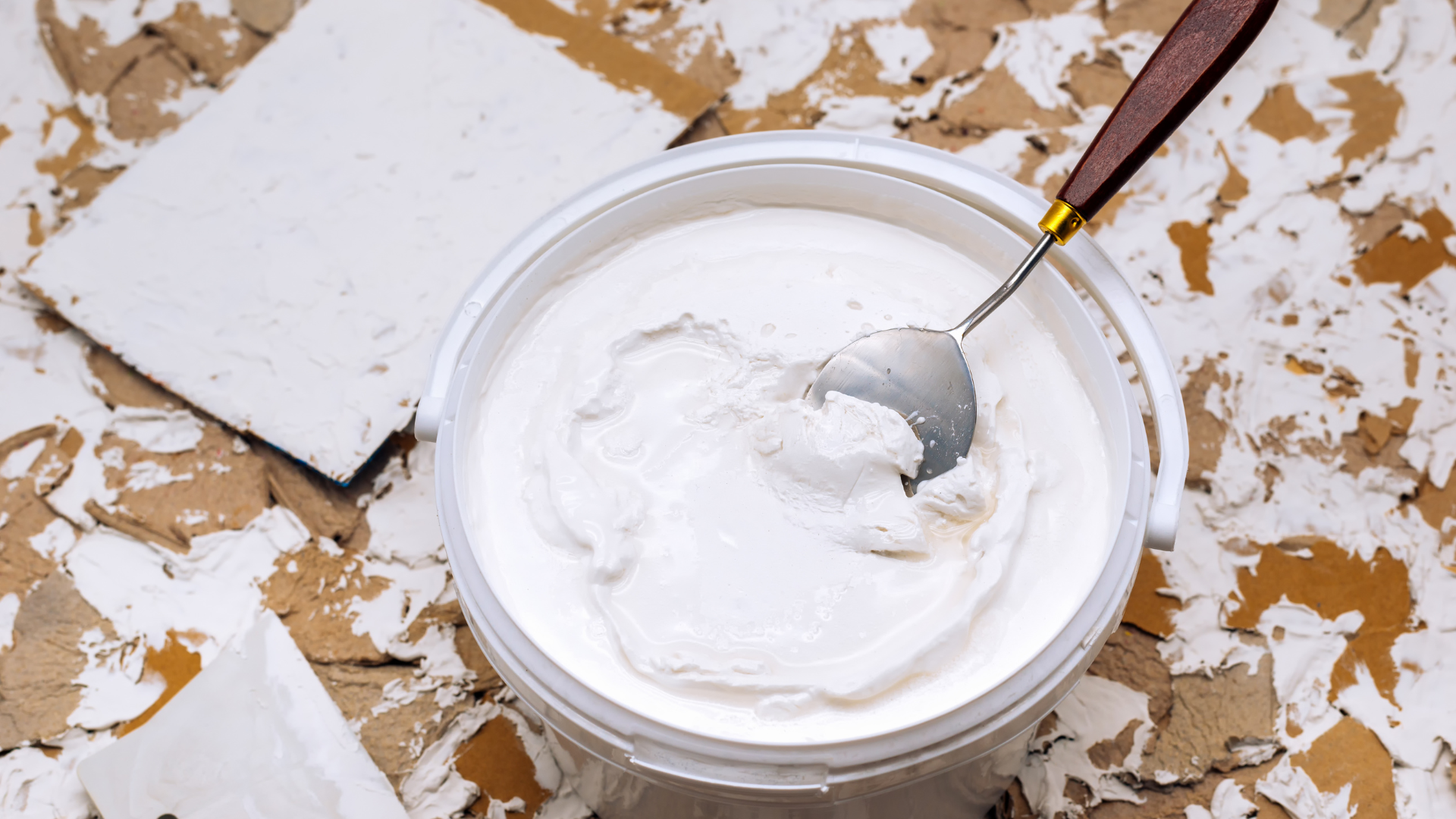
Any textured surface Spray-on texture applied after compound dries to match existing wall texture before paint

What to expect from completed patches: Patched walls are prepped and ready for paint — they will not be painted to match your existing wall color as part of the standard service unless specifically agreed. The patches are structurally sound, textured to match, and invisible once painted. Most homeowners repaint the affected walls or rooms as a natural follow-up — which also gives the opportunity to update colors if desired.

PEX vs. Copper Repiping in Gainesville FL — The Practical Differences During Installation

For most Gainesville homeowners, this comes down to the specific conditions of this market:

Feature PEX Repiping Copper Repiping
Installation time 1–2 days — no soldering required 3–5 days — every joint soldered individually
Access holes required Fewer, smaller — flexible material snakes through cavities More, larger — rigid pipe requires wider access at every joint
Material cost 30–40% lower than copper Significantly higher — material cost fluctuates with copper pricing
Corrosion resistance Highly resistant — ideal for Gainesville's hard limestone water Vulnerable to pitting corrosion from Gainesville's water chemistry
Noise Quieter — absorbs water hammer sound Noisier — water hammer is more pronounced
Lifespan 40–50+ years 50–70+ years
UV exposure Cannot be used in areas with direct sunlight exposure Not a limitation

The Gainesville-specific recommendation: For most Gainesville homes — particularly older homes on slab foundations with tight wall cavities — PEX is the right choice. Gainesville's water chemistry is hard enough that copper's pitting corrosion vulnerability is a real concern, and PEX's flexibility dramatically reduces wall damage and installation time. Scarborough Plumbing installs both materials and recommends based on your specific home — not the material with the higher margin.

Permits and Inspections — What's Required in Gainesville FL

Whole-house repiping requires a plumbing permit in Gainesville — this is non-negotiable and protects you as the homeowner.


What permits and inspections involve:


  • Permit submitted through the City of Gainesville's PermitGNV portal before work begins
  • Rough-in inspection — occurs after new pipes are installed but before walls are closed. A city inspector confirms the work meets Florida Building Code
  • Final inspection — performed after all work is complete, leading to a Certificate of Completion
  • Permit card and approved plans must be on site during all work

What Scarborough Plumbing handles: Every step of the permit process — application, fee management, inspection scheduling, and documentation. You provide site access for inspectors. We manage everything else.


Why permits matter for homeowners specifically: An unpermitted repipe creates complications at sale — buyers' inspectors flag it, title companies ask for it, and lenders may require it to be remediated before closing. A properly permitted repipe with a Certificate of Completion is a clean, documented upgrade that supports your home's value.

How Hard Water Affects the Repiping Process — And What to Do About It

Gainesville's hard limestone water is the reason many homes need repiping in the first place — and it's the reason installing a water softener in conjunction with the repipe is strongly recommended.

Why softener timing matters: If you repipe without addressing hard water, new pipes are immediately exposed to the same mineral-rich water that damaged the old ones. Scale begins accumulating in new copper pipes and heat exchangers from day one. For PEX, the concern is slightly less acute but still real for fixtures and water heaters downstream.

The cost advantage of concurrent installation: When your walls are already open during a repipe, adding a water softener loop — the plumbing required to connect a softener to your main supply — is a fraction of what it costs to add later. Scarborough Plumbing recommends assessing water softener installation at the same time as your repipe evaluation to determine whether concurrent installation makes sense for your home.

Gainesville water hardness context: Gainesville Regional Utilities water is sourced from the Floridan Aquifer — one of the hardest natural water sources in Florida. Most Gainesville homes on city water benefit meaningfully from softener installation. Well water properties in surrounding areas often face even higher mineral content.

For more on how Gainesville's hard water affects your plumbing system broadly, read our hard water guide for Gainesville homeowners →

What Your Home Looks and Feels Like After a Complete Repipe

The most common post-repipe surprise is a positive one:


Immediate water pressure improvement Most Gainesville homeowners notice the difference the first time they turn on a faucet after the repipe is complete. Years of mineral scaling that narrowed pipe diameter throughout the system is gone. Running multiple fixtures simultaneously without pressure drops is often possible for the first time in years.


Water quality changes Rust flakes, brown or yellow discoloration, and metallic taste from corroded galvanized pipe are immediately gone. Water runs clear and clean from every fixture. If your home had galvanized pipe, you may notice a meaningful difference in how the water tastes within the first few days.


What patched walls look like Access holes are patched, textured, and prepped for paint. They are not painted — plan to paint affected walls after the job is complete. Patches are solid and texture-matched, and once painted they are essentially invisible. Most Gainesville homeowners use the repiping project as an opportunity to refresh the walls in the affected rooms.


Follow-up care in the first week:


  • Run all faucets for 5 to 10 minutes to clear any debris from new lines
  • Inspect all new fixture connections for drips
  • Flush the water heater — it likely accumulated significant sediment from years of hard water and degraded pipe material
  • Avoid chemical drain cleaners for the first few months — they can affect new plumbing fittings


The old pipes: Disconnected old pipes are typically left in the walls rather than removed — removing them would require significantly more wall damage than the repipe itself. They are fully disconnected from the water supply and pose no functional concern.

Why Gainesville Homeowners Choose Scarborough Plumbing for Repiping

A whole-house repipe is one of the largest plumbing investments a Gainesville homeowner makes. The company you choose determines whether the process is professionally managed or chaotic, whether the permit is handled or skipped, and whether the wall patches are clean or something you're living with for years.


Scarborough Plumbing brings Gainesville-specific experience to every repipe — the hard water chemistry, the slab construction challenges, the older galvanized and polybutylene systems common in this market, and the permit process that protects your investment at resale.


What every Scarborough Plumbing repipe includes:

Service Component What It Means for You
Pre-repipe system assessment Complete evaluation before any recommendation — honest scope, honest cost
Permit application and management City of Gainesville permits filed, inspections coordinated, documentation managed
PEX and copper installation Right material for your home — not the material with the higher margin
Strategic access hole planning Minimum necessary wall damage — every hole is planned, not improvised
Daily water restoration Water available every evening — stay in your home throughout the project
Drywall patching and finishing Holes patched and textured — ready for paint when we leave
Water softener assessment Concurrent installation recommendation when appropriate
Full warranty Every installation backed by warranty on parts and labor
Hard water guidance Ongoing maintenance recommendations specific to Gainesville's water chemistry

You've already made the decision to repipe. The only remaining question is who does it. Contact Scarborough Plumbing today to schedule your Gainesville repipe assessment.

Recent Posts

A technician in white gloves assembles complex metal plumbing and heating valves on a training rack.
April 15, 2026
Not sure if you need pipe replacement or full repiping in Gainesville FL? Scarborough Plumbing explains the difference, the signs, and what it costs in this market.
A technician in a grey shirt repairs the internal electrical components of an industrial heater unit in a utility room.
April 8, 2026
Hidden leaks in Gainesville FL cause serious damage before most homeowners notice. Scarborough Plumbing explains the warning signs and how professional leak detection works.
Four wall-mounted white tankless water heaters installed in a utility room with white pipes and tiled flooring.
April 1, 2026
Not sure whether to repair or replace your water heater in Gainesville FL? Scarborough Plumbing breaks down the signs, the costs, and how Florida's hard water affects your decision.
Drain cleaning plumber Gainesville FL Scarborough Plumbing clogged pipes
March 25, 2026
Slow or recurring drains in your Gainesville FL home? Scarborough Plumbing explains what's really causing the problem and when it's time to call a professional drain cleaning plumber.
A public restroom with light gray walls, orange stripes, and black privacy partitions separating urinals and stalls.
March 18, 2026
Low water pressure making daily life frustrating? Scarborough Plumbing covers the most common causes and fixes for Gainesville FL homeowners — and when to call a pro.
Two workers install three parallel black drainage pipes in a sandy trench outside a house.
March 11, 2026
Need a repipe plumber in Gainesville FL? Scarborough Plumbing walks you through the full repiping process — signs, costs, and timeline. Serving Gainesville & surrounding areas.
Construction worker installing pipes in a trench near a building with exposed pink insulation.
March 4, 2026
Learn how hard water affects plumbing systems in Gainesville, FL and how to prevent pipe damage and water heater issues.
A metal outdoor faucet with a red handle attached to a weathered wall.
February 25, 2026
Learn the benefits of whole-house repiping in Gainesville, FL. Improve water pressure, prevent leaks, and upgrade your plumbing system with Scarborough Plumbing.
White water heaters, pipes, and a black tank in a utility room.
February 18, 2026
Learn the signs your Gainesville home may need repiping and how Scarborough Plumbing can help protect your plumbing system.
Workers installing drainage pipes in a dirt trench outdoors near a house, trees, and vehicles.
February 12, 2026
Professional drain cleaning in Gainesville FL helps prevent clogs, sewer backups, and costly plumbing repairs.
Show More

Experience Expert Plumbing Services You Can Trust

When you need reliable plumbing solutions in Gainesville, Scarborough Plumbing is here to help. Our experienced team is ready to tackle any plumbing challenge, from routine maintenance to complex installations and everything in between. We pride ourselves on delivering honest, professional service with transparent pricing and quality workmanship that lasts. Don't let plumbing issues disrupt your day. Contact Scarborough Plumbing now and discover why Gainesville residents and businesses have trusted us since 2010 for all their plumbing needs.